
Stubborn Grout Cleaning Near Me for Sparkling Floors
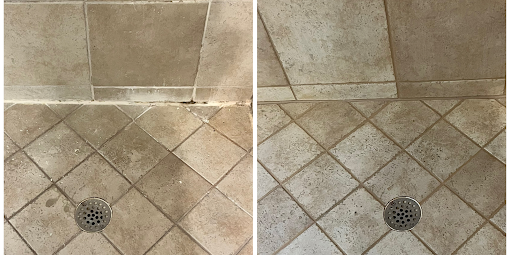
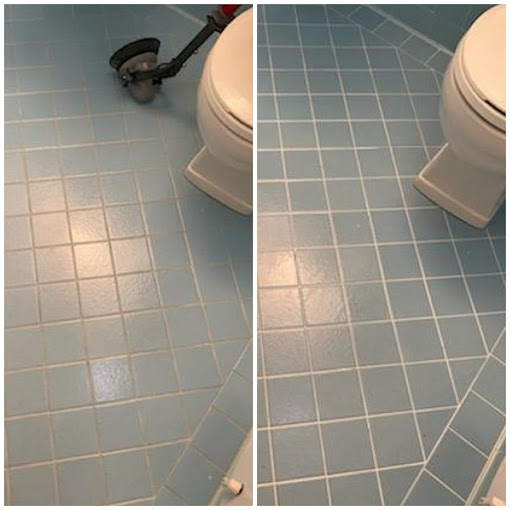
If your tile and grout in Dallas, TX looks “clean” at a distance but dirty up close, you are not imagining it. Grout discoloration often comes from a mix of everyday grime, soap scum, moisture, and buildup that regular mopping cannot remove. This guide helps you figure out what is on your grout and what cleaning approach is most likely to restore a fresh, bright look.
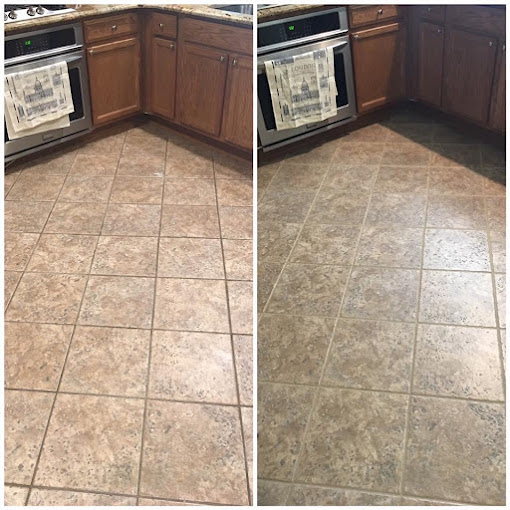
Maybe you just scrubbed the bathroom grout and it still looks gray, yellow, or patchy, especially around the shower and tub surround. Or perhaps the kitchen floor grout looks slightly dull even after you clean, and you can see darker lines where water and foot traffic collect.
In Dallas, TX, bathrooms and wet areas take a beating from routine humidity, frequent showers, and hard-water residue. The result is that grout can trap staining and haze, while mold and mildew can grow in the pores when moisture stays behind. Below, you will learn how to identify what kind of “stubborn” you are dealing with and what to do next to bring your floors and walls back to a cleaner, more uniform appearance.
- Quick answer
- What to check first
- Main things customers should understand
- Why this matters in Dallas, TX
- Common mistakes to avoid
- Customer checklist
- Frequently asked questions
Quick Answer
If your grout looks stained after routine cleaning, start by identifying where the discoloration comes from: surface grime, grout haze, or moisture-related growth. For most “stubborn grout cleaning near me” situations, a deep tile and grout cleaning followed by the right sealing step is what makes the biggest difference. If the grout is cracked, missing, or repeatedly darkens in wet areas, cleaning alone may not solve the root cause. A grout-focused inspection helps you choose between grout cleaning, grout line repair, or shower regrouting so the results last.
What to Check First
Before you pick a cleaner or scrub harder, do a quick, practical scan. Dark grout lines that are worst near the shower door or tub edges often point to moisture and soap residue, while a uniform haze across many lines can indicate buildup that sits on top of the grout. Look for loose or missing grout in high-traffic areas, and pay attention to cracks that run along grout joints. If you see recurring discoloration after cleaning, the issue may be deeper than surface dirt.
Check the pattern
Stains that match water flow paths usually need a moisture-aware approach, not just stronger scrubbing.
Feel the grout lines
If grout crumbles or you can catch an edge with a fingernail, cleaning will not fix the missing material.
Confirm the “haze” vs. “stain”
Haze often looks like a dull film on many lines, while stain looks deeper and more uneven.
Main Things Customers Should Understand
Stubborn grout is rarely one single problem. In real homes and properties around Dallas, TX, grout discoloration often blends multiple factors: embedded dirt, soap scum, hard water deposits, and organic growth in damp areas. That is why grout cleaning works best when it is paired with the correct method for the specific buildup, followed by sealing when appropriate.
Professional observation: The grout you see is the “map” of what has been happening underneath. When moisture repeatedly returns and the grout is not properly sealed, stains tend to come back faster, especially in shower tile and around tub surrounds.
Which services match which grout problems?
When customers call us about grout that will not brighten, the right next step depends on what is actually there:
| What you notice | Likely cause | Most practical next step |
|---|---|---|
| Gray or dull grout lines after cleaning | Deep-set grime or grout haze | Deep tile and grout cleaning, then consider sealing to reduce future staining |
| Dark spots concentrated in wet corners | Mold and mildew activity | Targeted cleaning for mold and mildew removal, then restore protection with sealing |
| Yellowing near shower glass or hard-water areas | Hard water stain removal and mineral buildup | Cleaning designed for hard-water residue, plus shower tile sealing when appropriate |
| Cracks, crumbling, or gaps in grout joints | Failing grout line integrity | Grout line repair or grout line replacement, and address waterproofing needs where relevant |
| Shower grout looks uneven, but tiles are otherwise intact | Soiled or failing grout layer | Shower regrouting or shower renovation approach depending on condition |
Natural stone needs extra care
If your “grout and tile” includes natural stone, the approach changes. Stone cleaning and sealing is not the same as standard grout cleaning, and the wrong chemistry can dull or damage the surface. If you have travertine, marble, limestone, slate, or other natural stone, it is worth planning for stone cleaning and natural stone sealing as part of the restoration process.
Why this matters in Dallas, TX
Dallas, TX homes often have tiled bathrooms and kitchens where grout stays exposed to ongoing moisture, cleaning chemicals, and mineral deposits. In wet areas, even small gaps in grout can let moisture sit longer than it should, which encourages mold and mildew growth and accelerates grout discoloration. The more humid your routine shower habits and the more frequently the area gets cleaned, the more important it is to clean thoroughly and then protect the grout so it stays looking bright between cleanings.
Common Mistakes to Avoid
When grout is stubborn, homeowners sometimes push cleaning harder in ways that do not help long term. The goal is to avoid repeating the same cycle: scrub, disappointment, and then stronger chemicals that may not solve the real problem.
- Scrubbing only the surface and assuming the darker lines are just dirt. Some staining and haze sit deeper in the grout pores.
- Using harsh methods without checking grout condition. If grout is cracked or missing, cleaning will not restore structural integrity.
- Ignoring moisture sources in showers and tub surrounds. If the area stays damp, discoloration can return quickly.
- Skipping the sealing step when it is needed. Sealing helps reduce how easily future stains and grime bond to grout and tile surfaces.
- Assuming all tile and stone respond the same way. Natural stone restoration needs the right plan for cleaning and sealing.
Customer Checklist
Use this checklist before you schedule service so you can describe the issue clearly and help the team choose the most effective approach for your floors and walls in Dallas, TX.
Before you contact Grout Works Dallas:
- Note where the grout looks worst (shower, tub surround, kitchen floor, entryway, or bathroom walls).
- Check for cracks, missing grout, or loose tile along grout lines.
- Decide whether the issue is mostly haze (dull film) or deep staining (uneven dark spots).
- Remember any recurring pattern, like discoloration returning after cleaning.
- Let us know if your surfaces include natural stone (travertine, marble, limestone, slate) or only ceramic or porcelain tile.
A representative grout-cleaning scenario
A homeowner in Dallas, TX noticed gray grout lines in the shower and darker streaks near the glass. They tried regular bathroom cleaners, but the grout stayed dull and the wet corners continued to look stained. After an inspection, it became clear that the discoloration was not just surface dirt. The plan focused on deep tile and grout cleaning to remove stubborn buildup, followed by sealing guidance to help protect grout lines going forward. The homeowner ended up with a more uniform, cleaner appearance because the treatment matched the actual source of the staining.
Ready to brighten stubborn grout in Dallas, TX?
If your grout stains keep coming back or the joints look worn, a grout-focused inspection can help you choose between deep cleaning, grout repair, or regrouting based on what is actually on the surface.
Contact Grout Works DallasFrequently Asked Questions
If you are searching for tile cleaning and tile repair solutions in Dallas, TX, these are the questions we hear most often about stubborn grout.
Why does my grout look darker again after I clean it?
Grout can darken again when moisture and residue keep getting into the grout pores. Even if the surface looks cleaner right after scrubbing, trapped buildup and ongoing wet conditions can bring discoloration back. A grout-focused cleaning approach helps remove stubborn deposits, and sealing can reduce how quickly new grime bonds to the grout. If grout lines are cracked or failing, cleaning alone may not last, and grout repair or regrouting may be the more practical solution.
Can deep tile cleaning remove grout haze and dullness?
In many cases, yes. When grout haze creates a dull or chalky look, the main goal is to remove the buildup that sits in and on the grout lines. The approach matters, because the wrong product can leave residue behind or dull the surrounding surfaces. A professional assessment helps match the method to the type of buildup you have, whether it is embedded grime, mineral residue, or haze that makes grout look uneven even after routine cleaning.
Should I repair grout lines or regrout the shower?
Repair versus regrouting depends on how widespread the grout issue is and whether the grout joints are failing. If you have small cracks or localized gaps, grout repair may be enough to restore a cleaner, tighter line. If the shower grout is broadly soiled, worn down, or repeatedly darkens in wet areas, regrouting may be the more effective path. The most helpful step is an inspection so the treatment matches the condition of the grout and surrounding surfaces.
Do you also handle tile and grout color restoration?
Yes, restoring a more even appearance is often part of grout and tile restoration work. Staining, haze, and uneven discoloration can make grout look patchy or faded, even when the tile surface seems fine. The key is using the right cleaning method for the buildup and then protecting the area when appropriate. If your project includes natural stone, color restoration may also involve stone cleaning and sealing designed for that material type.
What should I do if I see mold or mildew in grout lines?
Mold and mildew removal should be handled with an approach that targets the source of the growth and addresses moisture conditions. Cleaning can remove what is visible, but if the area stays damp or the grout is failing, the problem can return. That is why a practical plan often includes deep cleaning for mold and mildew removal, and then sealing guidance to help protect the grout lines after the restoration.
Get a clear plan for your grout in Dallas, TX
If you are dealing with stubborn grout discoloration, shower regrouting concerns, or worn grout joints, Grout Works Dallas can help you choose the most practical next step for your tile and grout. Call today or visit our website to explore related services.
(972) 841-3495You can also review our grout cleaning in Dallas, Texas, or learn about grout repair in Dallas if your joints are cracked or failing.

About Grout Works Dallas
Grout Works Dallas provides grout-focused cleaning and restoration for tile and grout surfaces across Dallas, TX & surrounding areas. From stubborn tile and grout cleaning to grout repair and shower renovation support, our approach is built around matching the right treatment to the actual condition of your floors and walls. If you are planning a bathroom refresh, we can also help you consider shower renovation in Dallas and related restoration needs.
If you are working with a newer property, you may also want to explore tile and grout care for new homes to keep surfaces looking their best from the start.