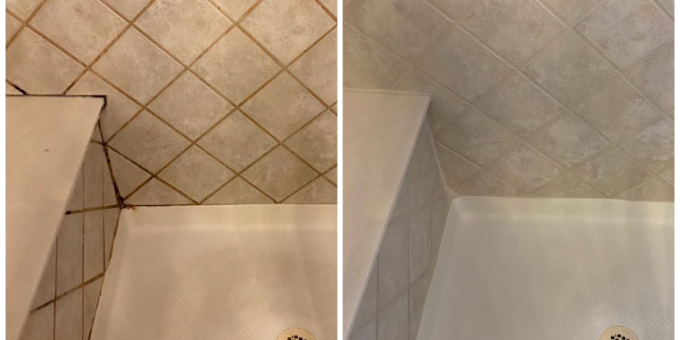
If your bathroom or kitchen tile grout in Dallas, TX looks split, uneven, or stained, the problem is usually more than cosmetic. This guide explains what cracked grout can lead to, how to check what you are really dealing with, and what to ask for when you want clean-looking floors that hold up.
You notice it every time you clean: a few grout lines that used to look sharp now have tiny cracks, a rough texture, or areas that keep turning darker. In the shower, it can look like discoloration returns no matter how often you scrub. On the floor, cracked grout can also make tiles feel less solid when you step nearby.
Cracked grout is often a sign that water and grime are finding pathways they should not. This guide will help you understand what to check first, what causes grout to crack, and which repair approach fits your tile and grout condition in Dallas, TX.
- Quick answer
- What to check first
- Main things customers should understand
- Why this matters in Dallas, TX
- Common mistakes to avoid
- Customer checklist
- Frequently asked questions
Quick Answer
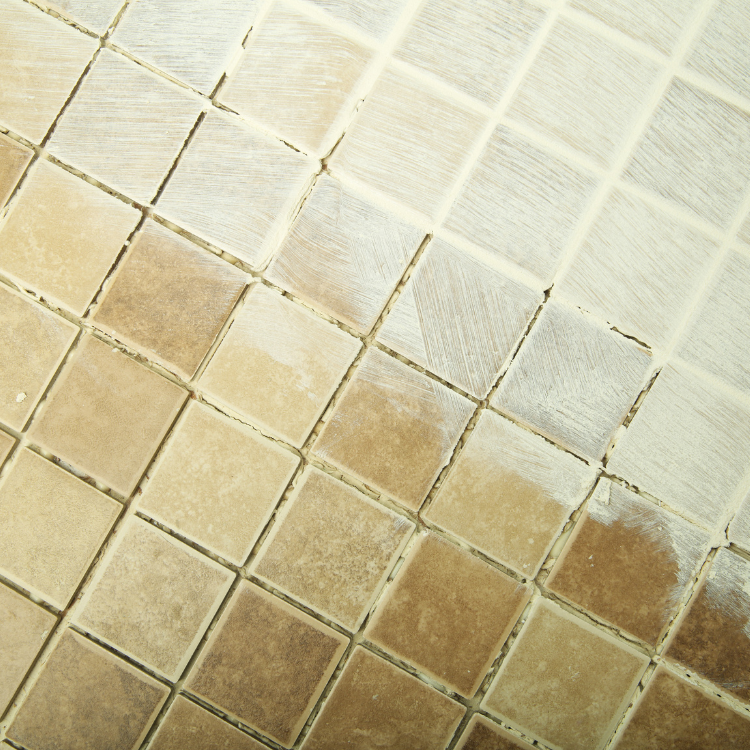
Cracked grout usually needs more than a surface cleaner. If the cracks are active or the grout is missing in spots, water can work its way behind the tile and into the substrate, which leads to recurring staining and loose-feeling areas. Start by checking for loose grout, hollow-sounding spots, and discoloration that keeps coming back. Then choose a repair plan that matches the cause, not just the visible line. If you want clean-looking grout lines that last, ask about grout line repair or grout replacement, and whether recaulk and waterproofing-related steps are needed for showers.
What to Check First
Before you spend time scrubbing, take a few minutes to observe how the grout is failing. In Dallas, TX homes, the most common “first clues” are hairline separation along edges, grout that looks chalky, or areas around tub surrounds and shower walls where water touches daily. These details help narrow down whether you are dealing with simple grout line repair or a deeper tile and substrate issue.
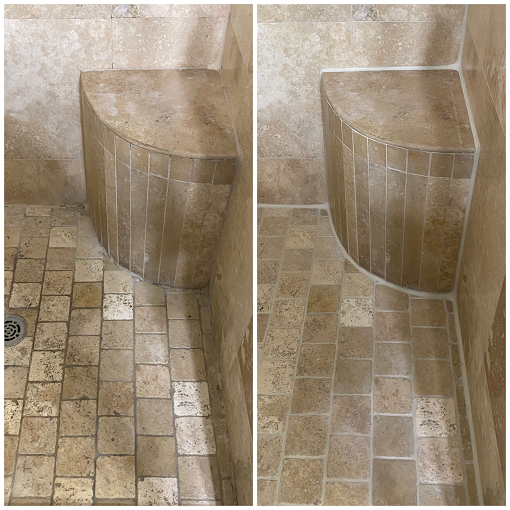
Crack pattern
Straight line separations often point to movement, while random cracking can indicate shifting or improper curing.
Texture changes
Rough, sandy grout surfaces are a sign the grout has started to break down.
Water-prone edges
Look closely at corners, tub edges, and change-of-plane joints where moisture collects.
Next, do two practical checks you can do at home. First, gently press near the cracked lines (without forcing) and see whether the grout feels loose or crumbles. Second, listen: tap adjacent tiles lightly and note any hollow or shifting sensation. Those findings help separate “cosmetic grout haze” from grout line repair needs like grout line replacement or loose tile repair.
Professional observation: When grout cracks in wet areas, the goal is not only to make the line look clean. A proper repair plan focuses on stopping the pathway where moisture travels so staining and recurring buildup do not return.
Main Things Customers Should Understand
Cracked grout can come from normal wear, but it can also be triggered by installation and maintenance factors. The most useful way to choose the right repair is to match the repair method to what is causing the grout to fail. Here are the main factors Grout Works Dallas typically considers for tile and grout in Dallas, TX.
| What you notice | What it often indicates | Common repair direction |
|---|---|---|
| Hairline cracks between grout lines | Movement in the tile assembly or aging grout | Grout line repair or grout regrouting |
| Missing grout in spots | Grout has degraded and opened pathways for moisture | Grout line replacement |
| Discoloration that returns after cleaning | Mold and mildew removal needs, or moisture behind tile | Bathroom tile restoration approach plus targeted repair |
| Loose-feeling tiles | Bonding or substrate issues | Loose tile repair and related waterproofing steps |
| Cracks near caulked joints | Silicone replacement or recaulk required at change-of-plane areas | Recaulking and silicone replacement |
Once the grout lines are addressed, many homeowners want the surface to look consistently clean. That is where cleaning strategy matters. For example, if your tile and grout are stained, you may benefit from tile cleaning and grout restoration steps before sealing. If you are dealing with harder residue like grout haze removal or hard water stain removal, the right prep affects how well the repaired lines blend.
If you have natural stone surfaces, the “clean and seal” approach is different than standard grout-only fixes. Natural stone sealing and stone cleaning techniques are chosen based on the material so you avoid a blotchy or uneven appearance after repair. If you are unsure whether your flooring is porcelain, ceramic, or natural stone, that is a good question to ask during the inspection.
Why This Matters in Dallas, TX
Dallas, TX showers and bathrooms see a lot of daily moisture, and grout lines are the first place you will notice water-related problems. Over time, temperature swings and regular use can contribute to grout line separation, especially around tub surrounds and shower glass restoration areas where water and cleaning products repeatedly hit the same surfaces.
When grout cracks, it does not just change the look. It can allow grime to settle into the edges, making bathroom tile cleaning feel like a never-ending loop. That is also why homeowners often notice grout color restoration needs after they have already tried cleaning products that can reduce surface stains but not fix the underlying failure.
For property managers and busy households in Dallas, TX, the practical goal is to keep floors and walls clean with less rework. Addressing cracked grout and related joint sealing can reduce how often you have to scrub, and it improves how consistent the tile and grout appearance stays from season to season.
Get a plan for your cracked grout lines
If you want clean-looking tile without guessing, Grout Works Dallas can help you choose the right next step for tile repair, grout regrouting, and recaulk where needed.
Request service from Grout Works DallasCommon Mistakes to Avoid
Homeowners typically make a few predictable choices when grout starts to crack. Some are harmless, and others can make the repair process harder or cause discoloration to return faster. Here are the mistakes we see most often in Dallas, TX.
Common mistake: Scrubbing cracked grout lines with strong chemicals without identifying whether the crack is active. Surface cleaning can hide the problem temporarily, but it does not stop moisture from traveling through the gap.
- Only replacing caulk and ignoring cracked grout: Change-of-plane joints matter, but if grout lines are failing too, you can still get recurring staining.
- Using the wrong match for grout color: Even when the repair is done correctly, mismatched grout color can stand out. A grout regrouting approach often requires careful blending.
- Jumping straight to sealing: Sealer is most effective when the surface is properly cleaned and the repair is complete. Applying sealer over the wrong residue can trap discoloration.
- Assuming all “dark grout” is mold: Hard water stain removal, grout haze removal, and general buildup can look similar. The cleaning method should match the cause.
- Overlooking loose tile repair: If tiles are moving or hollow-feeling, repeated grout patching may fail because the movement continues.
Customer Checklist
Use this checklist before you schedule cracked grout repair near you. It helps you explain the issue clearly and gives your service provider the details needed to choose grout line repair, grout replacement, or related tile restoration steps.
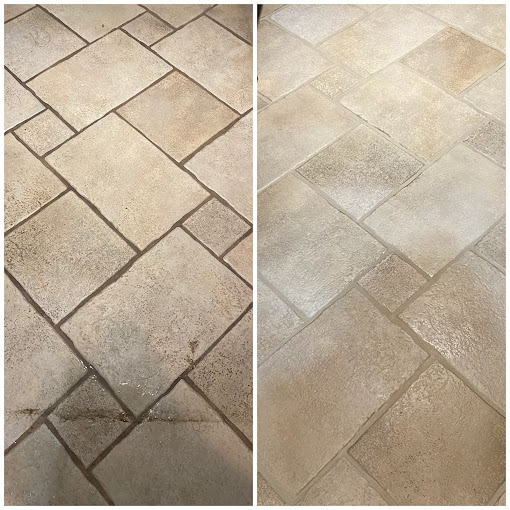
- Identify where the cracks are: shower tile, tub surround, bathroom floor, kitchen backsplash, or other areas.
- Note whether the cracks are hairline only or if grout is missing or crumbling.
- Check for loose-feeling tiles by gently pressing nearby and listening for hollow spots.
- Take note of recurring stains, especially near corners, edges, and change-of-plane joints.
- Confirm whether caulk looks cracked or separated where walls meet tubs or shower pans (recaulking may be needed).
- List what cleaning products you have used recently so the repair plan can account for residue.
- Decide what “clean floors” means for you: uniform grout color, stain removal, or a full bathroom tile restoration look.
Representative scenario: a shower that keeps looking dirty
A homeowner in Dallas, TX noticed that their shower grout lines were developing thin cracks along the corners. After each cleaning, the grout looked better for a short time, then dark spots returned near the same lines. They also saw that the grout texture felt rough when wiping across the cracks, and the caulk at the edge looked uneven.
In cases like this, the right fix usually combines grout line repair or grout regrouting with attention to the joints that experience constant water exposure. Once the cracks are addressed, a proper cleaning and finishing approach helps the repaired lines blend with the surrounding grout color, and the shower looks cleaner for longer.
Frequently Asked Questions
Can cracked grout be repaired without replacing all the tile?
Often, yes. If the tile is still firmly bonded and the issue is primarily grout line separation or missing grout, grout line repair or grout line replacement can restore the look and help stop water pathways. If tiles are loose or the substrate is compromised, loose tile repair may be needed as part of the plan. A quick inspection focuses on crack location, whether grout is crumbling, and whether any tiles feel hollow or shift when touched lightly.
What’s the difference between grout regrouting and grout color restoration?
Grout regrouting (or grout line repair) is the process of removing damaged grout and installing new grout material so the cracked lines are rebuilt correctly. Grout color restoration is about improving how grout looks, which may involve cleaning, grout haze removal, and blending the repaired areas to match the surrounding color. In many Dallas, TX bathrooms, homeowners benefit from both: first repair what is failing, then clean and finish so the grout lines appear uniform.
Do I need recaulk or silicone replacement if the grout is cracked?
In many showers and tub surrounds, yes. Grout typically handles tile-to-tile spacing, while caulk and silicone handle change-of-plane joints where movement is expected. If those joints are cracked or separated, moisture can bypass the grout even after repair. That is why professionals often evaluate both grout lines and caulking areas together. If you have cracked grout near edges, corners, or where glass meets walls, it is worth asking about recaulking and silicone replacement as part of the repair plan.
Why does grout look darker even after I clean it?
Dark grout after cleaning is usually one of two things: residue buildup that needs a targeted cleaning approach, or moisture-related staining that returns because the grout is failing. Hard water stain removal and grout haze removal can also mimic mold-like discoloration. If the cracks are active or grout is missing, cleaning alone can only improve the surface temporarily. A repair plan that addresses the cracked grout lines helps reduce the chance of recurring discoloration.
Is tile cleaning or tile and grout color sealing part of repair?
They can be part of the overall outcome, but the sequence matters. Cleaning supports a consistent finish, especially after grout line repair and before any sealing step. Tile and grout color sealing or related protective finishing is most helpful after the repair and cleaning are complete, so the surface is not sealed over residue or uneven material. If you are restoring a bathroom or kitchen backsplash, combining repair and cleaning is often what produces a uniform “clean floors” look.
Ready for cleaner tile and grout in Dallas, TX?
If you are searching for cracked grout repair near me because your grout lines are splitting, stained, or coming back dark after cleaning, Grout Works Dallas can help you choose the right approach. We serve Dallas, TX & surrounding areas and focus on restoring tile and grout appearance while addressing the root cause so your floors and walls stay cleaner longer.
Contact Grout Works Dallas
Tell us where the grout is cracked and what you are seeing. We will help you plan the next step for tile repair, shower regrouting, and bathroom tile restoration.
(972) 841-3495
Grout Works Dallas focuses on grout repair and tile restoration for homeowners and property managers in Dallas, TX. From shower regrouting and recaulking to tile cleaning and bathroom tile restoration, our work is designed to help cracked grout stop looking worn and to support cleaner surfaces over time.
Explore related services: tile cleaning in Dallas, Texas, grout repair for Dallas, shower renovation in Dallas, and grout work for new homes.