
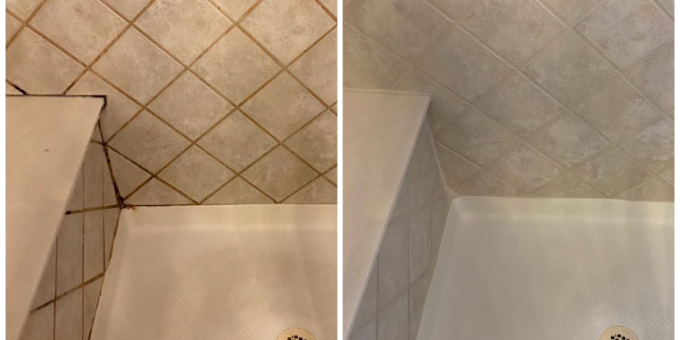
Cracked Grout Repair Near Me for Showers
If your shower grout lines look split, missing, or stained, you are not imagining it. This guide explains what cracked grout usually means, what to check before you repair, and when regrouting, recaulk, or waterproofing services may be the smarter path for Dallas, TX homeowners.
You step into the shower, and the grout lines catch the light. Some spots look cracked, some look darker, and a few areas seem to have tiny gaps that you can feel with a fingernail. In Dallas, TX, that moisture exposure can add up fast because daily showers push water and humidity into every seam.
Cracked grout is more than a cosmetic issue. If moisture gets behind the tile, you may see recurring mold and mildew removal problems, loose tile repair needs, or stubborn hard water stain removal that keeps returning. This guide helps you understand what cracked grout can indicate, what to check first, and which repair approach fits your shower.
- Quick answer
- What to check first
- Main things customers should understand
- Why this matters in Dallas, TX
- Common mistakes to avoid
- Customer checklist
- Frequently asked questions
Quick Answer
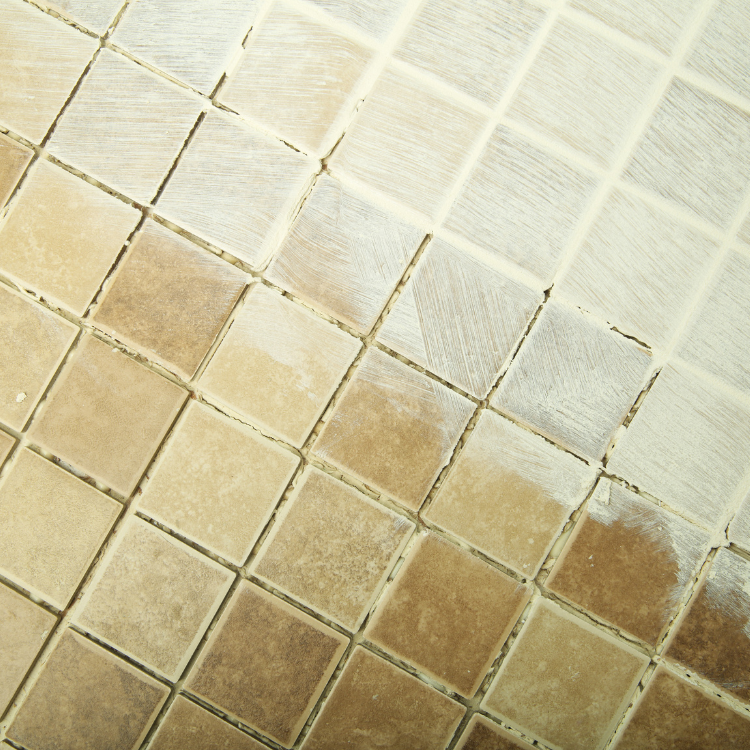
Cracked shower grout lines usually mean the grout is failing at the seams where water penetrates. Start by checking whether the crack is only in the grout or if you also notice soft spots, loose tile, or recurring staining. If the grout is actively failing, a proper shower regrouting and silicone replacement (where needed) is often the practical fix. If you see loose tile or repeated leaks, the job may require deeper bathroom restoration steps, including waterproofing services. For a clear plan in Dallas, TX, contact Grout Works Dallas to assess the shower and recommend the right tile and grout repair approach.
What to Check First
Before you decide on “repair,” take a few minutes to observe the pattern of the damage. Hairline cracks can be normal after years of movement, but gaps that widen, grout that crumbles, or stained lines that always come back suggest water is getting into places it should not.
Follow the crack path
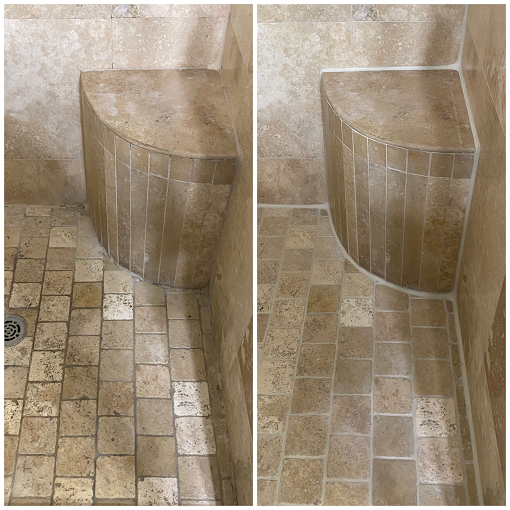
Look for cracks along corners, around niches, at the tub-to-tile transition, or near the shower curb. These areas often see the most movement and water exposure.
Check for softness or hollow sounds
Gently press grout lines and tap tiles. If anything feels loose, a loose tile repair approach may be needed before grout replacement.
Look at staining behavior
If grout discoloration is persistent, it can be a sign of moisture intrusion and may require bathroom tile restoration steps beyond surface cleaning, like grout line repair or grout line replacement.
One firsthand-style observation we see in Dallas, TX showers: the “worst” grout often is not where the water first enters. Water can travel behind tile through hairline gaps, then show up as dark grout haze removal or recurring mold and mildew removal at a different spot. That is why a quick, careful inspection matters before you pick a patch.
Main Things Customers Should Understand
Cracked grout repair is not always the same job in every shower. The right solution depends on the tile type, how the grout failed, and whether the silicone joints and caulking services are also holding up.
Professional observation: In many Dallas, TX showers, the grout crack is the symptom. The real issue is often movement at joints or water getting past recaulked seams, which then stresses the grout line over time.
1) Grout cracks vs. grout haze
Grout cracks are physical separation in the grout line. Grout haze removal is discoloration or residue on tile surfaces after installation or after prior cleaning. If your grout is cracked and missing, cleaning alone will not correct the failure.
2) Caulking and silicone replacement matter
Showers rely on waterproof joints at changes of plane, such as where walls meet corners, where niches meet tile, and where the tub surround or shower pan meets the tile. When caulking services or silicone replacement becomes brittle, the grout line can crack next.
3) Regrouting vs. tile replacement
If the grout has failed in multiple areas or the tile is loose, grout line repair may shift quickly into tile and grout color sealing, bathroom tile restoration, or even tile replacement. In some cases, loose tile repair and shower pan cleaning are part of getting the shower ready for new grout.
4) Natural stone sealing and shower tile sealing
If your shower includes natural stone (like travertine, marble, limestone, slate, or other stone), the approach can include natural stone sealing or penetrating sealer application after cleaning and regrouting. Stone tile sealing and shower tile sealing help manage how water and staining behave.
| Situation you notice | What it often indicates | Common repair direction |
|---|---|---|
| Cracks that widen or missing grout sections | Grout line failure and possible moisture pathways | Shower regrouting and grout line replacement |
| Dark lines that return after cleaning | Ongoing moisture intrusion into seams | Caulking services, recaulk/recaulking, and targeted regrouting |
| Tiles feel loose or sound hollow | Underlying bond or movement issues | Loose tile repair, then grout line repair or replacement |
| Staining on porous stone tiles | Water absorption and residue holding | Stone cleaning, then natural stone sealing |
Practical recommendation: If you are still deciding, focus on whether the grout line is only cracked or also missing, soft, or accompanied by loose tile. That single observation helps you avoid spending time on the wrong type of “fix.”
Why this matters in Dallas, TX
In Dallas, TX, showers are used daily, and the combination of heat, indoor humidity, and frequent temperature swings can accelerate grout aging. Even if the grout initially looks fine, repeated wetting and drying can lead to grout color restoration issues, grout line repair needs, and recurring mold and mildew removal along seams.
Another local point: many Dallas homes include older tile layouts where the original waterproofing details are not always visible. When cracked grout appears, it can be a sign that the shower’s moisture control system is losing performance. Addressing the grout and the joints together often improves how long the repair holds up.
Need a clear repair plan for your shower?
If you want help figuring out whether you need shower regrouting, recaulk, or deeper bathroom restoration, contact Grout Works Dallas.
Request grout repair in DallasCommon Mistakes to Avoid
Many homeowners try to “patch and paint” when grout cracks show up. The patch might look better for a short time, but water can still travel through the same weak seam and keep the problem going.
Common mistake: Replacing only the visible crack while ignoring joint silicone issues. The grout can fail again because the movement and moisture pathway are still active.
1) Cleaning over failing grout
Deep tile cleaning or stone cleaning can improve appearance, but it will not rebuild a grout line that has separated. If the grout is cracked or missing, prioritize shower regrouting or grout line replacement.
2) Using the wrong approach for natural stone
Travertine cleaning, marble polishing, limestone cleaning, slate cleaning, and similar tasks require care. If you have natural stone, the repair process may include natural stone restoration and sealing choices that differ from ceramic or porcelain tile.
3) Forgetting silicone replacement at transitions
Caulking services and silicone replacement are often the “quiet” part of a successful shower repair. If the joints are failing, new grout can crack faster.
4) Waiting until loose tile becomes widespread
If you notice loose tile repair needs, delaying often means the affected area grows. Addressing it sooner can reduce the amount of tile and grout that needs to be reopened.
Customer Checklist
Use this checklist to prepare for a grout repair discussion in Dallas, TX. It helps you describe the issue accurately and makes it easier to choose between grout line repair, shower regrouting, or related bathroom restoration steps.
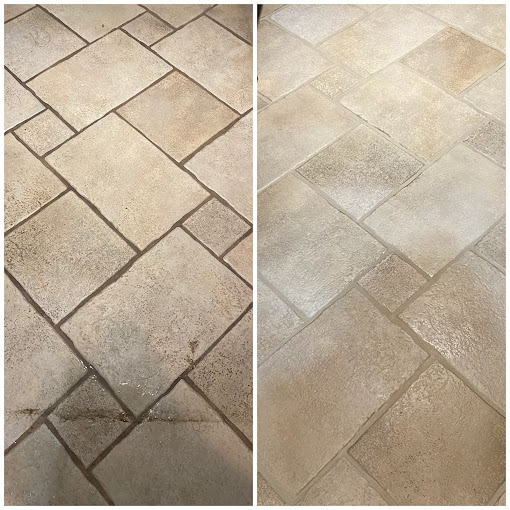
- Identify where the cracks are: corners, curb, niches, around the tub surround, or along the shower pan.
- Check if grout is missing, crumbling, or only hairline cracked.
- Gently test for looseness by tapping tiles and pressing grout lines.
- Note any recurring staining, grout haze, or hard water stain removal on the same grout areas.
- Inspect silicone joints for gaps, peeling, or brittleness and plan for silicone replacement if needed.
- Confirm your tile type: ceramic tile cleaning needs differ from natural stone sealing and stone tile sealing.
- Take note of any visible efflorescence removal needs or white residue at grout lines.
- Ask whether the repair plan includes shower tile sealing, grout color sealing, or penetrating sealer application after regrouting.
Representative Shower Scenario
A Dallas homeowner noticed hairline cracks in the grout lines around a shower niche. The grout also darkened after every few weeks, even after regular cleaning. When the area was inspected, the grout cracks were accompanied by joint failure at a transition seam, and one tile section sounded slightly hollow. The repair direction focused on regrouting the affected lines, addressing recaulk and silicone replacement at the joints, and finishing with shower tile sealing to help reduce how quickly staining reappears. After the work, the shower looked cleaner and the grout lines were uniform instead of breaking apart again.
Frequently Asked Questions
Is cracked grout in a shower just cosmetic?
Cracked grout is often more than cosmetic, especially in showers. When grout lines separate, water can find pathways through the seams and into areas you cannot easily see. That can lead to recurring staining, grout haze issues, and mold and mildew removal problems. If you also notice loose tile repair needs or soft spots, it is a sign that the underlying system may be stressed. A repair plan that addresses grout and joints together tends to hold up better than cleaning alone.
What’s the difference between regrouting and grout line replacement?
Regrouting generally means removing and replacing grout in the affected lines to restore a continuous, properly filled surface. Grout line replacement is similar in spirit, but it is often used when the grout has failed more extensively, such as when sections are missing or damaged beyond a simple repair. The right choice depends on whether the grout is only cracked, fully separated, or crumbling. During an inspection, Grout Works Dallas can help match the approach to what is happening in your specific shower.
Do I need caulking services or silicone replacement if my grout is cracked?
In many showers, yes. Grout is designed to fill between tile, but movement and waterproofing are often handled at joints using caulking services and silicone replacement. If the joints are brittle, peeling, or gapped, the shower can keep moving and water can keep entering, which makes new grout crack again. A good repair plan typically checks both the grout lines and the silicone joints so you are not repeating the same problem.
Can deep tile cleaning fix grout cracks?
Deep tile cleaning can improve appearance, remove buildup, and help with issues like grout haze removal or residue on tile. But it cannot rebuild a broken grout line or close a gap where grout has separated. If the grout is cracked, missing, or crumbling, the practical fix is regrouting, grout line repair, or grout line replacement. If your shower’s main problem is staining without cracking, cleaning and sealing may be enough, but cracking usually points to a seam failure that needs repair.
What if my shower has natural stone tiles?
Natural stone restoration often requires a different approach than standard grout repair on ceramic or porcelain. Stone can be more porous, so the process may include stone cleaning, followed by natural stone sealing or penetrating sealer application. If your stone is travertine, marble, limestone, slate, or similar, you may also see specialized needs like travertine cleaning, marble polishing, limestone cleaning, slate cleaning, or tile and grout color sealing. Grout Works Dallas can help coordinate cleaning, regrouting, and sealing so the shower looks good and stays easier to maintain.
Get help with shower regrouting in Dallas, TX
If you are dealing with cracked grout, recurring staining, or joints that need recaulk, Grout Works Dallas can help you choose the right repair approach for your shower.
(972) 841-3495
About Grout Works Dallas
Grout Works Dallas provides grout repair and related tile and bathroom restoration services for homeowners across Dallas, TX & surrounding areas. Whether you need shower regrouting, grout line repair, caulking services, or help with grout-related staining and surface restoration, the goal is to restore a clean, consistent shower look while addressing the root cause of grout failure.
Explore more services like tile cleaning in Dallas, TX, review shower renovation options, or see tile work for new homes.
