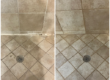

If your grout lines look dull, feel rough, or start showing dark spots after cleaning, it is usually a sign that water and grime are getting absorbed. This guide helps you understand what proper grout sealing does, how to prepare your tile and grout first, and what to ask for in Dallas, TX.
After a weekend of scrubbing the shower, the grout in your Dallas bathroom can still look tired by the next week. You might notice new discoloration, a rough or chalky surface, or spots that come back faster than usual.
That pattern often means the grout is absorbing moisture and contaminants, not just sitting on top of the surface. In this guide, you will learn what to check before sealing, what preparation steps matter, and how to reduce common failure points so your grout stays cleaner longer.
- Quick answer
- What to check first
- Main things customers should understand
- Why this matters in Dallas, TX
- Common mistakes to avoid
- Customer checklist
- Frequently asked questions

Quick Answer
Grout sealing helps reduce how quickly water, soap residue, and stains soak into grout lines, which can make future cleaning easier and help slow down damage. In most Dallas bathrooms, the best results come from deep cleaning first, repairing any failing grout lines, and applying the right sealer for your tile and grout type. If you are seeing mold and mildew staining, efflorescence, or recurring discoloration, focus on correct cleaning and repairs before sealing rather than sealing over the problem.
What to Check First
Before you look for “grout sealing near me,” take a few minutes to identify what the grout is currently dealing with. Sealer will not fix loose tile, cracks, or grout that is missing or failing. If moisture is already moving through the system, sealing the surface without addressing underlying issues can lead to faster re-soiling or visible breakdown.

Surface condition
Look for grout haze, discoloration, or a chalky feel. If the grout is coated with soap scum or mineral buildup, sealing can trap residues and make them harder to remove later.
Movement and gaps
Check for hairline cracks, loose tile repair needs, or gaps where grout lines have opened up. Cracks and voids can allow water to reach areas you cannot see.
Moisture-related staining
Dark spots and recurring staining may be tied to mold and mildew removal needs, hard water stain removal, or shower glass restoration issues from water spotting.
Professional observation: The most common reason grout “does not stay sealed” is that the grout was not fully cleaned and dried, or the grout lines had cracks and missing sections that still allowed moisture to travel.
Main Things Customers Should Understand
Sealing is not a one-size-fits-all step. Your grout type, whether you have ceramic or porcelain tile, and whether you are working with natural stone all affect how the surface behaves and what preparation is required. In Dallas, many showers and tub surrounds experience frequent water exposure, plus mineral residue that can build up over time.
Here is how to think about the process in practical terms, using the same decision points we use when restoring bathroom tile and grout to a more stable, cleanable condition.
| Situation you notice | What it often indicates | What to prioritize before sealing |
|---|---|---|
| Grout lines look dirty again quickly | Residues or mineral deposits may be embedded, and the surface may not be ready for long-lasting protection. | Deep tile cleaning and grout line repair planning (if needed), then ensure proper drying before application. |
| Visible cracks or gaps | Water can travel behind grout and into joints, especially around wet areas. | Crack repair and grout line replacement where appropriate, and silicone replacement at critical transitions. |
| Haze or dull, uneven appearance | Grout haze removal or residue cleanup may be needed before protection. | Bathroom tile restoration steps first, then tile and grout color sealing if you want consistent tone. |
| Staining around the shower edges | Water and soap carryover, plus silicone or caulking breakdown, can worsen the problem. | Caulking services, recaulk/reseal the right joints, and address shower tile sealing needs after cleaning. |
If you are evaluating your options, it can help to compare grout sealing with related services. For example, if you have cracks, loose tile repair needs, or worn caulk lines, sealing alone will not address the root path water is taking.
Customer-focused tip: If the grout is crumbling or the tile feels loose, start with repair and stabilization. Once the grout lines and joints are secure, sealing becomes a protection layer instead of a cover-up.
Why This Matters in Dallas, TX
Dallas bathrooms see steady humidity from daily shower use, and many homes have older tiled surfaces that have been cleaned over the years with a mix of products. That combination can leave grout lines more porous and more likely to show hard water stain removal patterns and soap residue discoloration.
One firsthand-style thing we often see is how customers clean grout using the same routine every time, then seal it without fully addressing grout haze removal or mineral buildup. The next months can bring back roughness and darkening in the same areas, especially around shower tile cleaning hotspots like corners and edges. A careful cleaning and prep step is what changes the outcome.
If your grout is tied to a larger bathroom refresh, you may also want to review whether the issue is limited to grout or whether shower regrouting or shower pan cleaning is part of the plan. You can explore related Grout Works Dallas services here: grout repair in Dallas.
Common Mistakes to Avoid
Most grout sealing problems are preventable. Here are the mistakes we see most often, along with what they cause in real homes around Dallas, TX.
- Sealing over dirty grout: If tile cleaning and grout cleaning are skipped, residues can block a sealer’s effectiveness and make stains reappear faster.
- Ignoring missing or failing grout lines: Cracks and voids let moisture travel even when the surface is sealed. This is where grout line repair or grout line replacement may be necessary.
- Skipping the caulking and silicone replacement step: Wet-area transitions rely on caulk. If joints are old or cracked, water can keep getting into areas that sealing cannot protect.
- Using the wrong approach for natural stone: Natural stone restoration and natural stone sealing may require different methods than porcelain or ceramic tile sealing.
- Overlooking shower glass restoration effects: Water spotting and residue on adjacent surfaces can make grout appear worse, even if the grout is not the only culprit.
Get a clear plan for your tile and grout
If you are comparing options for tile cleaning, tile repair, or sealing, start by identifying whether your grout needs deep cleaning, regrouting, or caulking work first.
Contact Grout Works DallasCustomer Checklist
Use this checklist before you schedule grout sealing. It helps you confirm the work starts with prep and ends with protection, not just a surface treatment.

- Confirm whether you need tile cleaning, deep tile cleaning, or grout haze removal before sealing.
- Check grout lines for cracks, gaps, and areas that may require grout line repair or grout line replacement.
- Inspect wet-area joints for caulking services needs, including recaulking and silicone replacement where applicable.
- Verify whether your tile is ceramic, porcelain, or natural stone so the sealing approach matches the surface.
- Ask how the team will address mold and mildew removal or hard water stain removal before protection.
- Plan for proper drying time after cleaning so the sealer can bond effectively.
- Confirm what the final result should look like for your grout color restoration goals (especially after deep cleaning).
A representative Dallas homeowner scenario
A homeowner in Dallas noticed their shower grout darkening within a few weeks. The grout also felt slightly rough, and the caulk at the corners had visible gaps. Instead of sealing immediately, the first step focused on deep tile cleaning and grout line repair planning, followed by recaulk and silicone replacement at the wet-area transitions. After the grout lines and joints were stable, sealing was applied to help reduce how quickly stains and moisture could absorb into the grout. The result was a shower that stayed cleaner longer and was easier to maintain.
Frequently Asked Questions
How do I know if my grout needs sealing or regrouting?
If grout is intact but looks dull or stains frequently, sealing may help reduce absorption and make cleaning easier. If you see cracking, missing sections, loose tile repair issues nearby, or grout lines that look unstable, you likely need grout line repair or grout line replacement as a first step. Sealing works best after the surface is properly cleaned and any failing grout or joints are addressed. A proper inspection of the grout lines, corners, and transitions usually clarifies whether sealing alone is enough.
Will sealing stop mold and mildew on its own?
Sealing can help reduce how quickly moisture and staining substances absorb into grout, but it is not a substitute for mold and mildew removal. If mildew is already present, it should be cleaned appropriately first, and any water source should be addressed. In many showers, the cause is not only grout, but also caulking services, recaulk areas, and silicone replacement at joints where water can slip through. When cleaning and joint repair come first, sealing helps protect the grout afterward.
Can grout sealing help with hard water stain removal?
Grout sealing can make it harder for mineral-rich residue to soak into grout lines, which can reduce how quickly hard water stains reappear. However, the stains that are already present typically require cleaning first. After deep tile cleaning and removal of mineral buildup, sealing provides a protective layer that supports easier maintenance. This is especially useful in shower tile cleaning areas where water repeatedly contacts grout and where soap scum and mineral residue build up over time.
Is sealing different for natural stone?
Yes. Natural stone restoration and natural stone sealing often require different preparation and sealer selection than grout and ceramic or porcelain tile cleaning. The surface porosity and how liquids move through the stone can vary, so the method should match the material. If you are working with travertine, marble, slate, limestone, or other natural stone, it is worth confirming the right approach for stone tile sealing and penetrating sealer application so you do not end up with inconsistent results.
What should I do about grout haze after cleaning?
Grout haze removal is usually a prep step before sealing. If haze remains, it can affect the final appearance and may interfere with how well the sealer bonds or performs. The right haze removal method depends on the situation and the surface type. Once haze is addressed, sealing can help support longer-lasting color and a cleaner look. If you are planning bathroom tile restoration, it is best to handle haze before protection rather than expecting sealing to fix it.
Ready to protect your shower and floors?
Grout Works Dallas can help you map the right sequence for tile cleaning, tile repair, and grout sealing so your grout lines stay easier to maintain in Dallas, TX.
(972) 841-3495
Grout Works Dallas
Grout Works Dallas provides grout-focused restoration and protection services for homes and businesses in Dallas, TX and surrounding areas. Their scope includes tile cleaning, tile repair, bathroom restoration, and sealing-related work designed to help prevent stains and reduce damage so your tile and grout remain easier to clean over time.
Helpful next step: review related bathroom service options like shower renovation in Dallas or explore new build surfaces at grout work for new homes.