Shower Restorations Near Me for Damaged Tile Grout
If your shower grout looks dark, cracked, or missing in spots, the surface may be the tip of the problem. This guide explains what to inspect in a Dallas, TX shower, why grout damage often returns if it is only “cleaned,” and which restoration steps help protect the tile and keep water where it belongs.
Maybe you first noticed it as a few shadowy lines along the shower floor. Then the grout started to look rough, tiny gaps appeared, and the discoloration came back faster after cleaning.
In many Dallas, TX homes, that pattern is a sign the shower needs more than a deep clean. Grout can wear out, caulk can separate, and water can find routes behind tile and into the shower system.
This guide will help you understand what to check, what restoration options typically make sense for shower tile and grout, and what decisions to make before you commit to a repair plan.
- Quick answer
- What to check first
- Main things customers should understand
- Why this matters in Dallas, TX
- Common mistakes to avoid
- Customer checklist
- Frequently asked questions
Quick Answer
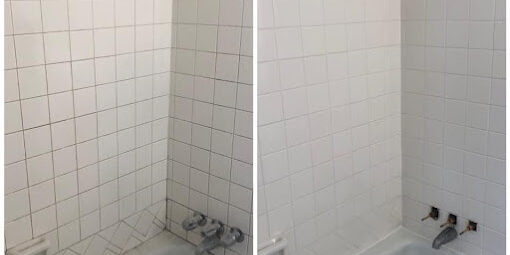
If grout is cracked, missing, or pulling away, the best next step is usually grout line repair or shower regrouting, followed by proper sealing where appropriate. If the grout haze is the main issue, deep tile cleaning and corrective steps may be enough. In Dallas, TX showers, the “right” fix depends on what is happening at the grout lines and where moisture is getting in. A practical approach is to inspect the grout and caulk at corners, seams, and the shower pan, then match the restoration method to the condition you find.
What to Check First
Start with a close inspection under good light. Look for grout cracks, missing sections, loose or hollow-sounding spots, and areas where discoloration keeps returning. Pay attention to joints where movement is common, like corners, around the tub surround, and where the shower pan meets the walls.
Professional observation: In most shower restorations, the surface condition tells you where the problem started. If the discoloration is only on the surface, cleaning may help. If the grout line is failing, regrouting and recaulk services are what stop the cycle.
Inspect grout lines and silicone
Grout and caulk serve different jobs. Grout fills tile joints, while silicone replacement (the flexible sealant in corners and transitions) handles movement. When silicone has shrunk, peeled, or cracked, water can bypass grout and migrate behind the tile.
Check for loose tile and movement
Use gentle pressure to see if any tile feels loose or shifts. If you notice movement, grout repair alone may not hold because the underlying substrate can still be moving. Loose tile repair and proper shower restoration steps often need to come before regrouting.
Identify the type of discoloration
Some stains are surface-related, while others are deeper. For example, grout haze removal after past work can look similar to grime, but the fix is different. Hard water stain removal and mold and mildew removal also require different approaches depending on whether the residue is mineral buildup, organic growth, or leftover construction materials.
Main Things Customers Should Understand
When you are comparing shower restoration options, focus on the condition of the grout lines, caulk joints, and surrounding materials. “Damaged grout” can mean several different problems, and the restoration method should follow that diagnosis.
Deep cleaning and haze correction
Best for surface staining, grout haze, and general dullness without joint failure.
Grout line repair or replacement
Best when grout is cracked, missing, or separating from tile edges.
Shower regrouting plus recaulk
Best when both grout lines and silicone replacement areas show wear.
A firsthand-style observation
In many Dallas, TX bathrooms, the “worst looking” area is not always the only failing area. Customers often notice the shower floor first, but the corners and seams can be letting water in for longer. That is why a restoration plan that includes both shower regrouting and silicone replacement is frequently more durable than grout-only fixes.
What restoration can include (depending on conditions)
Depending on what your inspection finds, a shower restoration can involve tile cleaning, grout repair, and sealing steps. If you have natural stone in the shower, the approach may include natural stone sealing, stone cleaning, and penetrating sealer application rather than grout-only solutions.
If your shower has glass doors or a tub surround with buildup, shower glass restoration may also be part of getting everything back to a consistent look. If you are dealing with mineral deposits, hard water stain removal may be addressed as part of the cleaning phase before any color-sensitive work like tile and grout color sealing.
| What you notice | What it often indicates | Common restoration direction |
|---|---|---|
| Cracks or missing grout in lines | Grout line failure and potential water pathways | Grout line repair, grout line replacement, and shower regrouting |
| Dark lines that return quickly | Moisture exposure or inadequate sealing at joints | Recaulking and targeted bathroom tile restoration steps |
| Surface haze after recent work | Grout haze or residue left on tile faces | Grout haze removal and deep tile cleaning |
| Loose or hollow-feeling tile | Movement or substrate issues under the tile | Crack repair, loose tile repair, and restoration sequencing |
| Mineral buildup and dullness | Hard water staining or residue | Hard water stain removal, then sealing where appropriate |
Why This Matters in Dallas, TX
Dallas, TX showers see a lot of daily humidity and temperature swings, and older tile work often has to handle movement over time. When grout and silicone replacement fail, water can sit where it should not, contributing to recurring discoloration and making future repairs more complicated.
If your shower includes natural stone or textured surfaces, you also want to be mindful about how cleaning products and sealing choices affect appearance. A restoration approach that matches the materials in your specific shower helps you avoid uneven color, dull spots, or inconsistent finish.
Local service tip: If you are noticing grout and caulk issues in a Dallas, TX home, look at the entire shower system, not just the visible grout lines. Corners, transitions, and the shower pan are common trouble spots.
Related services that may be part of your restoration
If you are planning a broader refresh, these Grout Works Dallas service pages can help you match the right scope to your shower’s needs: tile cleaning in Dallas, grout repair in Dallas, and shower renovation in Dallas.
Common Mistakes to Avoid
Some homeowner fixes can make grout look better temporarily while leaving the underlying issue untouched. The goal is to avoid “covering” a failure instead of correcting it.
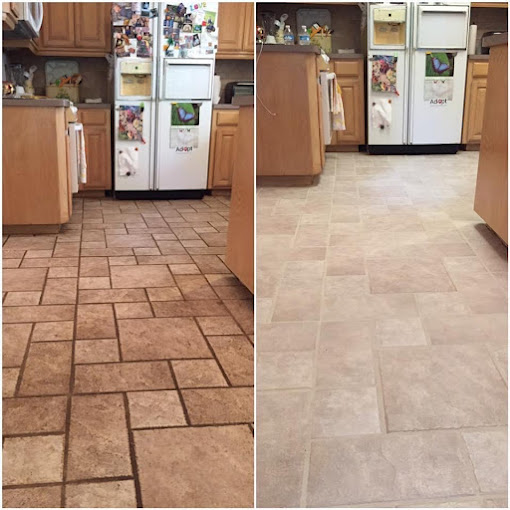
- Only cleaning grout while ignoring cracked or missing grout lines.
- Scrubbing mold and mildew without addressing moisture sources at seams and corners.
- Using the wrong approach for grout haze removal, then sealing over residue.
- Skipping silicone replacement at transitions where movement is expected.
- Assuming grout repair will last if any tile is loose or shifting.
Need help figuring out grout repair vs. deeper restoration?
Share what you are seeing in your Dallas, TX shower. Grout Works Dallas can help you think through grout repair, recaulking, and restoration sequencing so you choose the right next step.
Contact Grout Works DallasCustomer Checklist
Use this checklist before you decide on shower regrouting or grout repair. It helps you describe the problem clearly and reduces guesswork when planning bathroom restoration.
- Photograph grout lines and corners from multiple angles in good light.
- Check for cracks, missing sections, and areas where grout has pulled away.
- Inspect silicone replacement areas at corners, edges, and transitions.
- Look for loose tile spots or any movement when you press gently.
- Identify whether the discoloration looks like surface grime, grout haze, or mineral buildup.
- Note whether the problem returns after cleaning.
- Confirm whether you have natural stone in the shower and whether it needs natural stone sealing or stone cleaning.
- Decide whether you want matching bathroom tile restoration across the whole shower, not just a single line.
Representative scenario: what a typical shower restoration looks like
In a Dallas, TX home, a homeowner noticed recurring dark grout lines along the shower floor and a few hairline cracks near the back corner. After cleaning, the discoloration returned within weeks. When the joints were inspected, the grout lines showed separation, and the silicone at a transition point had shrunk. The restoration direction focused on shower regrouting where grout lines were failing, recaulk services at movement areas, and then sealing steps to help protect the restored grout and tile surfaces.
Frequently Asked Questions
How do I tell if I need shower regrouting or just grout cleaning?
If grout is cracked, missing, or pulling away from tile edges, cleaning alone usually will not solve the root issue. Regrouting or grout line repair is typically the right direction when the joint itself is failing. If the grout looks dull or stained but the lines feel intact and the issue seems like residue or surface discoloration, deep tile cleaning and targeted treatments may be enough. A helpful sign is whether the problem returns quickly after cleaning.
What’s the difference between grout repair and silicone replacement?
Grout repair focuses on the rigid grout joints between tiles. Silicone replacement is the flexible sealant used at corners, edges, and transitions where movement is expected. When silicone fails, water can bypass grout and reach areas behind the tile. That is why bathroom restoration often treats grout and caulk as separate parts of the system. If you only repair grout but skip recaulking, the shower may continue to show discoloration or recurring issues.
Can grout haze removal happen after new tile or regrouting?
Yes. Grout haze removal is commonly needed when residue remains on the tile faces after grout work. The key is using the right approach for the type of haze and the tile finish you have. If haze is left on the surface, it can make the shower look uneven even when the grout joints are correct. After haze is addressed, sealing decisions can be made based on what you are restoring, including tile and grout color sealing where appropriate.
Do you also handle natural stone sealing and stone cleaning?
If your shower includes natural stone, the process can differ from standard ceramic or porcelain tile care. Natural stone sealing and stone cleaning steps are often used to protect the material and support a consistent finish. The goal is to match the restoration method to the surface so you do not end up with uneven appearance or an inappropriate coating. If you are unsure whether your shower has natural stone, describing the material and finish helps narrow the right plan.
What should I do if a tile feels loose?
If a tile feels loose or shifts, it changes the restoration scope. In that situation, grout repair alone may not hold long-term because the movement can keep stressing the grout joint. Loose tile repair and crack repair may need to be addressed before grout regrouting and sealing. When you notice loose spots, it is best to stop relying on repeated cleaning and instead plan restoration sequencing that accounts for the underlying stability.
Ready to restore your shower in Dallas, TX?
Grout Works Dallas helps homeowners and property owners with shower tile cleaning, grout repair, recaulking, and bathroom tile restoration. If your grout is damaged and the discoloration keeps coming back, it is worth matching the fix to the joint condition.
(972) 841-3495
About Grout Works Dallas
Grout Works Dallas provides grout and shower restorations for homes and businesses across Dallas, TX & surrounding areas. Whether you need tile cleaning, tile repair, grout line repair, shower regrouting, recaulking, or help with restoring a bathroom tile finish, the focus is on practical restoration steps that match what your shower is actually doing. You can explore additional services like new home tile care to keep surfaces looking their best.