Revive Tile Brilliance: Grout Cleaning, Repair, Sealing
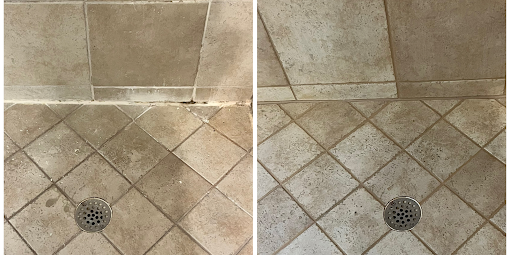
A homeowner in North Dallas recently called us because their shower looked “dirty” even after a weekend of scrubbing. The tile was still mostly intact, but the grout lines—especially around the curb and bottom corners—had turned unevenly darker. The shower glass also had a cloudy film that wouldn’t wipe clean. What they didn’t realize was that the discoloration wasn’t just surface grime. Over time, water movement through aging grout and failing caulking can carry minerals and organic buildup into the grout pores, making darkening and staining stick around.
That’s why grout cleaning, grout repair, and sealing aren’t interchangeable. Cleaning can lift loose soil, repair stops moisture pathways, and sealing helps reduce how quickly new stains and haze build up.
Quick Answer
If grout is dark, rough, or cracking, you usually need more than cleaning. In most Dallas-area showers, the best results come from:
- Deep tile and grout cleaning to remove embedded soil and haze
- Grout line repair (and often recaulking) to address moisture entry
- Targeted sealing based on the surface type to reduce future staining
A pro assessment matters because the “right” method depends on whether you’re dealing with cementitious grout, natural stone, or porcelain/ceramic tile.
Signs Your Grout Needs Restoration
Before you decide on cleaning vs. repair, look closely at how the grout behaves. Here are the patterns we see most often:
- Grout looks clean on the tile faces but dark inside the lines. That’s typically embedded soil, mineral staining, or haze that has penetrated below the surface.
- Cracks run through grout lines or grout has missing edges along the shower curb.
- Caulk joints look brittle or pulled away from tub edges, niches, or the perimeter where water hits first.
- Moldy spots keep returning within weeks of cleaning—usually a sign of recurring moisture and compromised joints, not just surface mildew.
- Shower glass looks permanently cloudy even after regular wipe-downs. Hard water minerals often bond to surfaces that aren’t properly protected.
Common homeowner problem scenario (real-world)
In a typical Dallas bathroom, the homeowner starts with DIY “grout cleaner” products. The grout may lighten temporarily, but then it returns darker faster—especially after the next couple of showers. That’s often because harsh chemicals and aggressive scrubbing can roughen grout surfaces and remove or damage prior sealers, leaving pores more exposed to water minerals.
Cleaning vs. Restoration: What’s the Difference?
A lot of homeowners assume tile cleaning alone will “make grout look new.” Sometimes it does—but not when the issue is structural or moisture-driven.
Cleaning (best for)
- Surface grime, soap scum residue, and light haze
- Grout that is intact and not actively cracking or missing
- Tile that’s cleanable without altering grout integrity
Restoration (needed when)
- Grout is cracked, missing, or unstable
- Caulk has failed and water is finding its way behind joints
- Stains are embedded in grout pores or mineralized over years
- The grout has been damaged by past DIY methods (over-etching, discoloration, or loss of sealer)
Quick comparison
| Issue | Likely Cause | Best Starting Point |
|---|---|---|
| Dark grout lines but no cracks | Embedded grime / mineral staining / haze | Deep tile cleaning + proper sealer |
| Hairline cracks in shower grout | Movement and wear over time | Grout repair + sealing |
| Recurring mold spots | Moisture pathway via failed caulk or weak joints | Recaulking + waterproofing-focused repair |
| Rough, permanently stained grout | Prior chemical damage or failed sealer | Restoration cleaning + grout repair/line replacement (as needed) |
Why Some Grout Repairs Fail Early
Grout repair is more than patching a line. We often see early failures when the underlying cause is ignored—especially around showers.
Here are the most common reasons repairs don’t last:
- Repairing grout without addressing failed caulking. Water still enters through the perimeter joints, and the new grout line darkens again.
- Using the wrong patch material or not preparing the joint properly. Weak bonding leads to loose edges.
- Sealing too soon or with the wrong system. Some sealers require specific curing times and surface conditions; sealing over contaminants can trap dirt under the finish.
- Skipping thorough cleaning before sealing. If mineral residue or haze remains, the sealer can’t perform as intended—so the grout may look blotchy or continue to dull.
Firsthand technician observation
When we remove compromised grout, we sometimes find that the “worst-looking” area isn’t the only problem. Moisture tends to travel along the weakest edges—like the curb line or the corners where water pools briefly. That’s why we assess the entire wet zone, not just the visible dark patch.
If you want help deciding between repair and full tile replacement, you can review grout repair solutions in Dallas for real examples of how we approach stability first.
Mistakes That Cause Grout Damage
Homeowners usually don’t “damage” their grout intentionally—most issues come from well-meaning DIY.
Common mistake homeowners make
Using harsh acids or abrasive tools repeatedly on grout without understanding the grout type and finish.
These products can:
- etch or roughen grout surfaces
- weaken cementitious material at the surface
- strip or interfere with prior sealing
- spread haze deeper into pores through aggressive scrubbing
In Dallas-area showers, that matters even more because hard water minerals can react with residues. The result is a cycle: cleaner → temporary improvement → faster re-soiling and darker lines.
Other frequent mistakes include:
- Scrubbing grout lines with the wrong brush (too abrasive, damaging grout faces)
- Not cleaning the tile first before applying any sealer (trapping contaminants)
- Ignoring caulking until it’s fully open and leaking (by then, grout often takes on mineral staining)
What Actually Protects Tile Long-Term (Cleaning + Repair + Sealing)
Protection isn’t one product—it’s a process. In Dallas and throughout North Texas, showers experience heavy moisture exposure, and mineral content in water can leave deposits if surfaces aren’t properly maintained.
A professional restoration plan typically includes:
1) Deep tile and grout cleaning
We remove the buildup that household cleaners can’t reach:
- grout line soil and haze
- soap scum residue
- mineral film that dulls surfaces
- buildup around edges and corners
This step is what makes repair materials bond better and helps sealing create an even, consistent finish.
2) Grout line repair where needed
When grout is cracked, missing, or loose, targeted repair prevents water from continuing the damage. In many bathrooms, that includes addressing nearby joints and transitions that see the most stress.
If you’re dealing with an area like a curb, niche, or perimeter line, you may also want to review tile cleaning services in Dallas, Texas so the cleaning and repair scope match the actual condition.
3) Recaulking and silicone replacement
Caulk is the first line of defense in wet areas. When it fails, moisture moves into places you can’t easily see. Proper joint preparation and correct silicone placement are what help stop the cycle of dark grout and recurring mildew.
For shower areas that need more than just cosmetic touching up, we also handle shower renovation in Dallas when the waterproofing system needs attention.
4) Sealing based on the right surface type
Not every tile and not every grout is sealed the same way. The goal is to reduce penetration and make future cleaning easier—without changing the look or causing blotchiness.
Sealing recommendations may include:
- Penetrating sealer application for suitable grout and natural stone surfaces
- Color seal application for grout color enhancement (when appropriate)
- Tile and grout color sealer strategies to help minimize contrast caused by staining
If you have natural stone in your bathroom (travertine, marble, limestone, slate), the sealing approach needs to match the stone’s porosity and finish. We can help you choose the right method for new homes and recently installed surfaces as well—where early protection can prevent premature staining.
Our Experience Restoring Tile in Texas Homes
In one anonymized project from a Dallas-area home built within the last 10–15 years, the homeowner reported:
- grout lines turning dark again within a month of DIY cleaning
- a mildew “ring” near the shower corners
- glass that looked perpetually hazy
We inspected the perimeter joints and found failing caulk at the edges near the curb and the niche. The grout wasn’t fully crumbling, but it had absorbed mineral deposits deep enough that normal cleaning couldn’t fully correct the color. Our scope focused on:
- deep tile and grout cleaning to remove embedded haze
- grout line repair at the most moisture-exposed areas
- silicone replacement along the wet perimeter
- sealing designed to reduce future mineral penetration
The result wasn’t just “brighter grout.” The homeowner noticed the glass stayed clearer longer and the corners stopped developing that fast-return mildew look—because the moisture pathway was addressed, not just the surface appearance.
Dallas or North Texas Relevance: Why Showers Change Over Time Here
Dallas bathrooms deal with a combination of factors that accelerate grout discoloration:
- Hard water mineral content can leave deposits on tile and shower glass, creating haze that builds up over time.
- Frequent shower moisture exposure pushes water into grout pores and along joint edges.
- Temperature and humidity swings (especially in homes with intermittent HVAC or seasonal usage patterns) can stress materials and contribute to caulk breakdown.
- Higher usage in family bathrooms means the wet zone cycles more often, which shortens the window for “minor” problems to become major.
That’s why our restoration process in North Texas prioritizes moisture management—repairing the pathways that bring minerals and organic buildup into the grout.
Sealing and Prevention Checklist (Use After Restoration)
Restoration works best when the maintenance plan matches the environment. Here’s a practical checklist homeowners can follow after grout cleaning, repair, and sealing:
Maintenance & prevention checklist
- Wipe shower glass and tile after use (especially near the curb and corners).
- Use a pH-neutral cleaner for routine cleaning—avoid harsh acids/bleach on grout lines.
- Don’t let standing water linger overnight. Improve airflow or use a squeegee.
- Inspect caulk joints monthly for gaps, softness, or separation.
- Re-clean and re-check high-traffic areas every 3–6 months (depending on usage).
- Avoid steam blasts directly on grout if the area is already compromised or if caulk is aging.
- Use soft brushes for grout—don’t grind grit into the joints.
A note about sealing timing
If you’ve had repairs done, sealing is only effective when the repaired material has cured and the surface is clean. A rushed sealer application can trap residue and reduce long-term performance.
Quick Answer: What to Do Next
If your grout is darkening, cracking, or growing mildew again quickly, the most reliable path is:
1) Deep clean (remove haze and embedded soil)
2) Repair grout lines and replace failing silicone (stop moisture entry)
3) Seal with the right system for your tile/grout/stone type
This approach is built around how showers actually fail over time—not just how they look for a week after cleaning.
References (industry guidance worth knowing)
- The Tile Council of North America (TCNA) emphasizes proper installation and maintenance practices for tile assemblies, including the importance of moisture management in wet areas.
- The American National Standards Institute (ANSI) guidelines for cleaning and maintenance generally reinforce using appropriate, non-damaging methods for tile and masonry surfaces.
- Industry guidance from leading stone/tile associations commonly advises that sealers require correct surface prep and compatibility with the specific substrate to avoid uneven results.
(If you’d like, we can share a material-specific care plan based on your grout/tile type.)
FAQ
How often should grout be professionally cleaned?
For many Dallas-area households, a professional deep cleaning every 1–3 years helps prevent haze buildup from becoming permanent staining. If your shower sees heavy use, you may benefit sooner. If you notice recurring darkening or mildew return quickly after DIY cleaning, professional restoration usually needs to include repair and recaulk, not just cleaning.
Why does grout keep turning dark?
The most common causes are embedded soil/mineral staining and moisture entry through failed joints (often where silicone meets tile, tub edges, niches, and the shower curb). If caulk is compromised, darkening can return rapidly even after a thorough cleaning.
Is shower regrouting better than full tile replacement?
Often, shower regrouting (and targeted grout line repair) is the right move when tile is still solid and the waterproofing system is intact. Full tile replacement is usually considered when there’s widespread substrate failure, significant movement, or waterproofing issues beneath the tile—not just cosmetic grout discoloration.
What causes mold around shower caulking?
Mold often appears where water can sit or where caulk has opened up. Once moisture penetrates, organic buildup can grow quickly. Cleaning alone can remove the surface growth, but without silicone replacement and proper joint preparation, the problem typically returns.
Ready to Restore or Protect Your Tile and Grout?
If you’re seeing dark grout lines, recurring mildew, cracked joints, or cloudy shower glass, timing matters. The earlier you stop moisture pathways and protect the surface, the longer your restoration lasts—and the less likely you are to face premature tile or waterproofing issues.
About Grout Works Dallas
Grout Works Dallas provides tile restoration, grout repair, shower renovation, caulking replacement, stone sealing, and surface restoration services throughout Dallas, TX and surrounding North Texas communities. The company focuses on long-term surface protection, detailed restoration work, moisture prevention, and helping homeowners restore bathrooms, showers, and tile surfaces through professional cleaning and repair solutions.