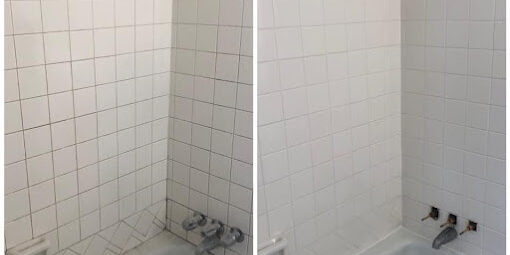
Shower Restorations Near Me for Damaged Tile
If your Dallas shower looks dull, stained, or worn, the fix is often more specific than “more scrubbing.” This guide helps you understand what damaged grout and caulk can mean, what to check first, and when restoration (instead of replacement) is the right path.
You notice it after a few showers: the grout lines look darker, the corners look rough, and water seems to sit where it shouldn’t. Maybe you also see small cracks in the grout, peeling caulk, or a few tiles that feel a little loose when you step near them.
In Dallas, TX, showers take a lot of daily abuse from hot water, humidity, and frequent cleaning. The good news is that many “damaged tile” problems can be improved with targeted grout repair, caulking services, and bathroom tile restoration. This guide will help you identify what you are actually dealing with and what to ask for when choosing shower restorations near you.
- Quick answer
- What to check first
- Main things customers should understand
- Why this matters in Dallas, TX
- Common mistakes to avoid
- Customer checklist
- Frequently asked questions
Quick Answer
If grout and caulk are failing, the goal is usually to restore the shower surface and stop water from getting behind it. Start by checking for loose or cracked tiles, missing or separated caulk at seams, and grout that is crumbling or stained deep into the lines. If the tile is intact but grout or silicone has broken down, shower regrouting, recaulking, and targeted deep tile cleaning can often bring back a clean, uniform look. If tiles feel loose or there are cracks at joints, ask about grout repair plus proper waterproofing services before sealing.
What to Check First
Before you decide between cleaning, grout repair, or tile replacement, do a quick inspection. It will help you avoid paying for the wrong service and it gives you better questions for the contractor you choose in Dallas, TX.
Look at the grout lines closely
Are they just discolored, or are they cracked, missing, or rough to the touch? Grout color restoration can improve appearance when grout is still bonded, but grout line repair or grout line replacement may be needed if it has deteriorated.
Check seams and corners
Water problems often start where grout meets movement joints. If you see gaps, shrinkage, or peeling around tub edges, corners, or where the shower meets the wall, you may need silicone replacement or recaulking.
Test for loose tile movement
If a tile feels hollow or shifts when pressed, deep cleaning will not fix it. Loose tile repair and crack repair usually come before any sealing or color sealing.
Professional observation: If the grout haze is the main issue, deep tile cleaning and proper polishing can help. If the grout is crumbling or seams are separating, focus on shower tile regrouting and caulking services to address the moisture path.
Main Things Customers Should Understand
“Damaged tile” in a shower can mean several different conditions that look similar at first. Understanding the difference helps you choose the right approach for bathroom tile restoration and keeps the results more consistent.
1) Stains vs. bonded grout issues
Some discoloration is surface-driven. Hard water stain removal and mold and mildew removal can reduce the look of spotting when the grout is still solid. Other discoloration is deeper and may be linked to grout repair needs or grout color restoration after regrouting.
2) Silicone and caulk failures at movement joints
In showers, silicone replacement matters because those joints are designed to handle movement. If silicone is cracked, missing, or pulled away from the edge, water can work its way behind the tile. That is when recaulking and waterproofing services become part of the restoration plan.
3) Sealing is not a substitute for repair
Sealers help with stain resistance and cleaning performance, including tile and grout color sealing, shower tile sealing, natural stone sealing, and stone tile sealing. But sealing works best after grout repair, crack repair, and proper cleaning. Sealing over failing grout or separated seams can trap problems rather than solve them.
4) Natural stone and tile types need different care
Some showers use travertine, marble, slate, limestone, ceramic tile, porcelain tile, or even natural stone. Each material responds differently to cleaning and polishing. For example, travertine cleaning and marble polishing may require different techniques than porcelain tile cleaning or ceramic tile cleaning.
5) Shower glass and surrounding surfaces
It is common to notice grime build-up on shower glass too. Shower glass restoration and silicone replacement around glass frames can improve the look and reduce recurring build-up. If you have a tub surround restoration need, the same seam-focused approach applies.
Why This Matters in Dallas, TX
Dallas showers face a cycle of heavy humidity and frequent temperature changes. Over time, that movement can widen grout cracks and stress silicone and caulk lines, especially around the shower pan and at the edges where water is most likely to collect. When grout or silicone fails, the shower can start to look “dirty” even right after cleaning.
Grout Works Dallas focuses on shower restorations that address the root cause: cleaning, grout regrouting or grout repair, silicone replacement, and sealing when the surface is ready. If you are comparing options in Dallas, TX, consider whether your issue is mostly appearance (grout haze removal, deep tile cleaning, tile polishing) or whether you have signs of moisture entry (cracked grout, separated joints, or loose tile). That distinction usually determines what will last.
Local tip: If you notice bathroom tile restoration issues that get worse after the shower dries, check the caulk line first. In Dallas, TX, addressing recaulking and proper joint repair often improves both appearance and long-term performance.
Need shower tile cleaning or regrouting help?
If your grout lines are stained, hazy, or cracking, Grout Works Dallas can help you choose a restoration approach that fits the condition of your shower.
Call (972) 841-3495Common Mistakes to Avoid
Homeowners often try to solve shower tile and grout problems with the wrong sequence. Here are the mistakes that most commonly lead to disappointing results in Dallas, TX.
Scrubbing over failing grout
If grout is cracked or crumbling, aggressive cleaning will not restore stability. You may need grout line repair or grout line replacement before you can expect a clean, uniform look.
Recaulking without removing loose material
New silicone or caulk goes on best after old, separated material is removed. Otherwise, you can end up with gaps that let water continue to travel behind the tile.
Sealing too early
Sealing should follow proper shower regrouting, cleaning, and drying. If moisture is still trapped or seams are still failing, you can get recurring discoloration or poor results from tile and grout color sealing.
Practical recommendation: If you are deciding between tile repair and tile replacement, start with loose tile repair and crack repair checks. Tile replacement is sometimes necessary, but many showers improve significantly once grout, caulk, and seams are restored correctly.
Customer Checklist
Use this checklist to prepare for a shower restoration conversation. It helps you describe the problem clearly and it helps you confirm which services you actually need for your shower in Dallas, TX.
- Identify where the damage shows up most: grout lines, corners, edges, tub surround, or shower glass joints.
- Check for cracked, missing, or crumbling grout and note whether it feels loose or uneven.
- Inspect caulk and silicone lines for gaps, separation, shrinkage, or peeling.
- Test for loose tile movement near the problem area (gentle pressure only).
- Tell whether the stains look like surface spotting or if they return after cleaning.
- Confirm your tile type: ceramic tile, porcelain tile, natural stone (travertine, marble, slate, limestone, etc.).
- Ask whether your plan includes deep tile cleaning and whether sealing (tile and grout color sealing, shower tile sealing, or natural stone sealing) is recommended after repairs.
Representative Scenario
In one Dallas, TX home, the homeowner thought the shower only needed “stronger cleaning.” The grout lines looked dark and slightly hazy, and the silicone along the shower edges had started to pull away. After a closer look, the tile itself was intact, but the grout and joints needed attention. The restoration plan focused on deep tile cleaning, shower regrouting where the grout was failing, silicone replacement for the seams, and sealing after the surface was properly prepared. The result was a cleaner, more uniform shower appearance with joints that were again sealed for daily use.
Frequently Asked Questions
How can I tell if I need shower regrouting or just cleaning?
Cleaning helps most when grout discoloration is mainly surface staining and the grout remains bonded, smooth, and intact. If the grout lines are cracked, missing, rough, or crumbling, regrouting or grout line repair is usually the better match. A quick test is to run your finger along the grout: if it feels unstable or lifts away, that points toward repair. In Dallas, TX showers, also check the caulk and silicone joints, since separated seams often make the whole area look worse even when the tile is still solid.
What is the difference between recaulking and silicone replacement?
Both terms refer to renewing sealant at shower seams so water is blocked where tile meets edges, corners, or transitions. “Silicone replacement” typically emphasizes the silicone product used in those wet-area joints. The key detail is the prep: old, separated material should be removed so the new sealant bonds correctly. If you recaulk without addressing loose grout or failing joints, the issue can return. For best results, ask about a seam-focused approach that includes proper cleaning and preparation before new silicone is applied.
Can deep tile cleaning remove grout haze and stains?
Deep tile cleaning can improve grout haze removal and reduce many types of discoloration, especially when the grout is still in good condition. If the haze is from residue or surface buildup, cleaning and polishing can make a visible difference. Hard water stain removal and mold and mildew removal may also help with recurring spotting. However, if grout is cracked or has deteriorated, cleaning alone will not restore the structure. In that case, grout color restoration or grout line replacement may be needed before any sealing.
Do I need sealing after grout repair?
Sealing is often recommended after shower regrouting, grout line repair, and deep cleaning because it can improve stain resistance and make the surface easier to maintain. The right product depends on the material, including ceramic tile, porcelain tile, natural stone sealing needs, and whether you are focusing on tile and grout color sealing. Sealing works best after repairs are complete and the shower is ready, so you do not trap moisture or issues behind the new surface. A restoration plan should explain both the cleaning and the sealing steps so the results hold up.
When should I consider tile repair instead of tile replacement?
Consider tile repair when the tile is mostly intact but grout, seams, or cracks are the real problem. Loose tile repair and crack repair are often part of a practical restoration plan when the tile is salvageable. Tile replacement may be necessary if there are widespread failures, significant movement, or damage that indicates a deeper issue. The fastest way to decide is to check for loose tiles, missing grout, and seam separation. In many Dallas, TX showers, targeted grout repair service and caulking services improve both appearance and performance without replacing every tile.
Get a shower restoration plan for your Dallas, TX home
If you are seeing damaged grout lines, failing silicone, or a shower that never looks clean for long, Grout Works Dallas can help you match the right service to the condition of your tile and joints.
Visit Grout Works DallasAbout Grout Works Dallas
Grout Works Dallas provides grout-focused restoration services for showers and other tile areas across Dallas, TX and surrounding areas. Our approach centers on practical solutions like tile cleaning, tile repair, grout regrouting, recaulking, silicone replacement, and sealing support for bathroom tile restoration. If your shower is showing signs of damage, we help you understand what is likely driving the problem so you can choose a restoration path that fits your needs.

Grout Works Dallas
Professional grout and shower restoration services for Dallas, TX homeowners and property owners.
Explore grout repair in Dallas
Learn about shower renovation in Dallas