
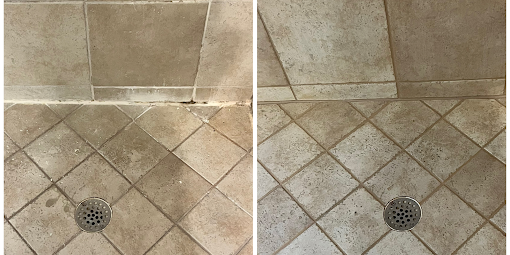
Stubborn Grout Cleaning Near Me for Showers
If your shower grout in Dallas, TX looks dull, gray, or “almost clean” no matter what you scrub, you are not alone. This guide explains what is actually causing the buildup, what to check first before you start cleaning, and when cleaning stops being enough and grout repair or regrouting becomes the smarter fix.
You step into the shower, and the grout lines catch the light in a way they never used to. In Dallas, TX, that is a common moment for homeowners and renters alike, especially when hard water, soap scum, and moisture have been building up for months. You scrub, you rinse, you repeat, and the grout only looks slightly better.
Part of the frustration is that “dirty grout” is not always just surface grime. Sometimes it is grout haze, mold and mildew growth, or staining that has soaked in. This guide helps you understand the likely cause, choose the right next step for shower tile cleaning, and avoid making problems worse with the wrong approach.
- Quick answer
- What to check first
- Main things customers should understand
- Why this matters in Dallas, TX
- Common mistakes to avoid
- Customer checklist
- Frequently asked questions
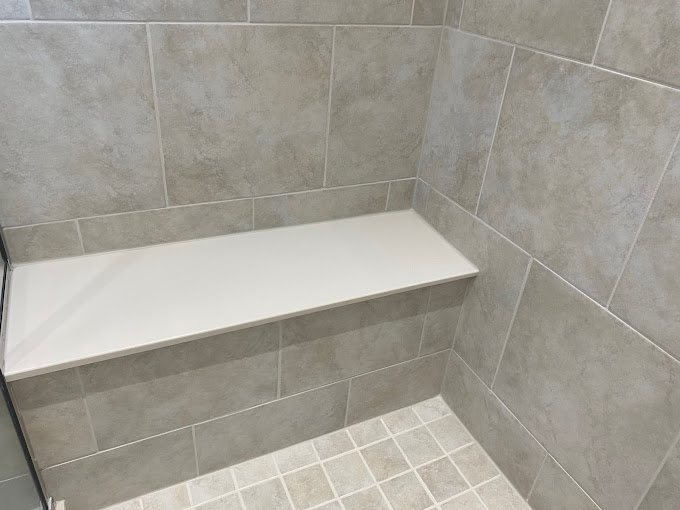
Quick Answer
If your shower grout looks stained or gray, start by identifying whether the discoloration is surface buildup (soap scum, hard water stain, grout haze) or whether the grout has cracks, missing caulk, or signs of moisture getting behind tile. For most stubborn discoloration, deep tile cleaning and proper rinsing can restore appearance. If grout lines are cracked, soft, or repeatedly “come back,” you may need shower regrouting, recaulking, silicone replacement, or grout line repair to address the source. A practical next step is to compare a small cleaned test area before committing to aggressive scrubbing.
What to Check First
Before you buy another cleaner or switch to stronger chemicals, do a quick inspection. You are trying to separate “needs deep tile cleaning” from “needs grout repair or waterproofing-related fixes.”
Look at the grout line pattern
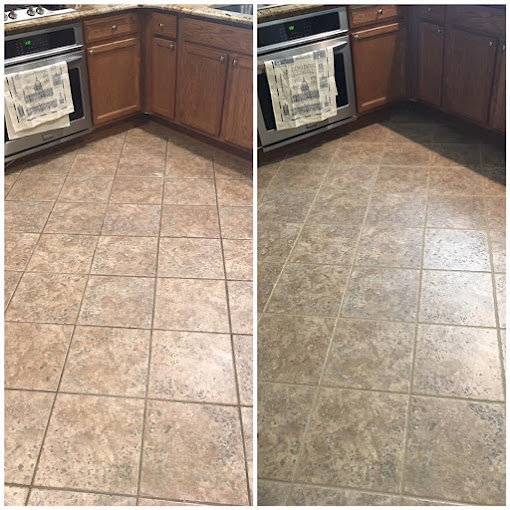
If discoloration follows the grout lines consistently, it often points to grout haze, staining, or mineral buildup. If only certain spots look worse, it can indicate localized moisture, poor ventilation, or an area where water pools.
Check the caulk and silicone edges
Common trouble spots are where the tub or shower pan meets tile, around corners, and around the shower glass frame. When caulking or silicone replacement is overdue, water can work its way into grout and behind tile.
Feel for cracks and loose grout
If grout feels rough, crumbles, or you see cracking along the lines, cleaning alone will not fix it. In that case, grout line repair or grout line replacement is usually the more effective route.
Main Things Customers Should Understand
Stubborn grout cleaning in a Dallas, TX shower usually comes down to chemistry, moisture, and maintenance habits. Hard water can leave mineral residue, soap can bond to grout, and humidity can encourage mold and mildew. The result is often a mix of stains plus residue that makes grout look darker or dingier, even after cleaning.
Professional observation: If the grout looks “cleaned” but still hazy or gray, the issue is often residue, not dirt. That is a different problem than surface grime, and it changes the cleaning approach.
Different problems need different solutions
Here are a few common causes behind stubborn shower grout discoloration, along with what they typically mean for next steps:
| What you notice | Most likely cause | What usually helps |
|---|---|---|
| Grout looks darker after scrubbing, or has a gray film | Grout haze removal needs proper technique and rinsing | Deep tile cleaning designed for haze and residue |
| Spotty discoloration near corners or the shower glass | Mold and mildew removal from moisture exposure | Targeted cleaning plus addressing moisture entry points |
| Grout lines show cracking or missing sections | Grout line repair needs to restore integrity | Grout line repair or grout line replacement |
| Water seems to seep at edges or along seams | Caulking or silicone replacement gaps | Recaulking and silicone replacement, then grout restoration |
| Tile and grout still look dull even after cleaning | Sealing and color restoration may be needed | Tile and grout color sealing or natural stone sealing where applicable |
When shower regrouting becomes the practical choice
Cleaning can improve appearance, but it cannot rebuild cracked or deteriorating grout. If your shower grout is failing, the “stubborn” part will keep returning because water and soaps continue to reach the same problem areas. That is when shower regrouting, grout line replacement, and recaulking typically provide the longer-lasting visual improvement.
Sealing is about prevention, not hiding
After deep tile cleaning, sealing can help reduce how quickly future stains and residue bond to grout and tile surfaces. If you have natural stone in the shower, sealing strategy can differ, which is why it helps to confirm whether you need natural stone sealing versus tile and grout color sealing.
Why This Matters in Dallas, TX
In Dallas, TX showers often see heavy daily use, and humidity plus mineral content can make grout discoloration show up faster than people expect. Many homes also have older shower builds where recaulking and silicone replacement were done years ago, then eventually aged out. When the seam is not doing its job, grout lines can take the hit and look “stubborn,” even though the root cause is moisture management.
What to consider locally: If your shower has hard water staining or mineral buildup, a deep tile cleaning approach that targets residue usually beats repeated light scrubbing. If you suspect moisture entry at edges, prioritize recaulk and silicone replacement before expecting the grout to stay looking fresh.
Get a grout cleaning plan for your shower
Grout Works Dallas can help you figure out whether your shower needs deep tile cleaning, grout line repair, shower regrouting, or recaulking and silicone replacement. Call for guidance tailored to your Dallas, TX shower.
(972) 841-3495Common Mistakes to Avoid
DIY grout attempts often repeat the same cycle: harsh scrubbing, partial improvement, and then the problem returns because the underlying cause was never addressed. Here are the most common missteps we see with shower grout cleaning.
Over-scrubbing without rinsing thoroughly
Scrubbing can spread residue and grout haze, especially if the cleaner is not fully rinsed. The grout may look “roughly clean” but still dull and gray.
Using the wrong cleaner for the grout or tile
Not every surface responds the same way. Natural stone sealing needs different care than ceramic tile cleaning, and the wrong product can leave dullness behind.
Ignoring caulk and silicone gaps
If water is getting behind tile through failing seams, cleaning alone will not stop the cycle. Recaulking and silicone replacement are often part of the real solution.
A representative scenario (typical Dallas shower)
A homeowner in Dallas, TX noticed their shower grout lines looked darker near the corners and around the shower glass. The grout looked “dirty” after every cleaning session, even though they followed the same routine. A closer look showed deteriorating caulk at the edges and a few hairline cracks in grout. The fix was not only grout cleaning, but also recaulking and grout restoration so water exposure was reduced where it was entering. After that, the shower stayed visually cleaner between cleanings.
Customer Checklist
If you want a clear path forward for stubborn grout cleaning near you, use this checklist before you start. It is designed to help you decide whether you should focus on deep tile cleaning, grout repair, or shower regrouting.
- Confirm whether the discoloration is uniform or concentrated near corners, edges, or the shower glass.
- Inspect grout lines for cracking, missing sections, or areas that feel loose.
- Check the condition of caulk and silicone where tile meets the shower pan, tub surround, or glass.
- Decide whether you need shower tile cleaning only, or whether grout line repair and regrouting are likely.
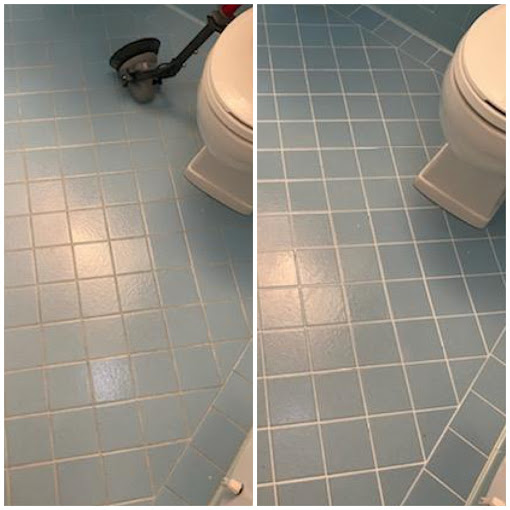
- Plan to test-clean a small area first, then evaluate color before repeating aggressive scrubbing.
- After cleaning, consider whether sealing is appropriate for your tile and grout or natural stone surfaces.
Frequently Asked Questions
Here are practical answers to common questions homeowners ask when they search for stubborn grout cleaning near me for showers in Dallas, TX.
Why does shower grout look worse after I clean it?
Sometimes it is not that the grout is getting dirtier. Scrubbing can loosen residue and grout haze, then leave it behind if rinsing is not thorough. In other cases, hard water stain mineral deposits can react with cleaners and make grout look dull or gray. A better approach is to focus on deep tile cleaning methods designed for residue removal, then confirm the grout color after a complete rinse and dry.
Can grout cleaning remove mold and mildew in shower grout lines?
Cleaning can often remove visible mold and mildew, but the key is preventing moisture from returning. If the problem is caused by failing caulk, silicone replacement gaps, or water pooling, you may see the discoloration return even after a thorough clean. That is why inspections of shower edges, corners, and the shower glass area matter. When moisture entry points are addressed, grout restoration tends to look better for longer.
How do I know if I need grout repair or shower regrouting?
Consider grout repair or shower regrouting if you see cracking, missing sections, or grout that feels loose or deteriorated. If discoloration keeps coming back in the same lines, that can also be a sign the grout is no longer holding up against moisture exposure. Deep tile cleaning can improve appearance when grout is intact, but it cannot rebuild grout integrity. A grout-focused assessment helps match the solution to the condition.
Should I seal after cleaning my shower tile and grout?
Sealing is often a practical next step after deep tile cleaning because it helps reduce how quickly future stains and residue bond to grout and tile surfaces. Whether you need tile and grout color sealing or natural stone sealing depends on what is installed in your shower. If your grout lines are cracked or your seams need recaulk or silicone replacement, you will usually want to address those first so sealing does not become a band-aid over an ongoing moisture issue.
Do I need to clean my shower glass and grout together?
They are related in the way water flows and where residue collects. If your shower glass area is coated with mineral buildup, it can contribute to the cycle of moisture and residue around nearby grout lines. Shower glass restoration and grout cleaning can be part of a coordinated approach, especially when seals and seams are also due for recaulk or silicone replacement.
Ready to fix the stubborn grout, not just the surface?
For showers in Dallas, TX, Grout Works Dallas can help you choose the right next step, whether that is deep tile cleaning, grout line repair, recaulking, silicone replacement, or shower regrouting. Get a clear plan for your bathroom tile restoration.
Contact Grout Works DallasAbout Grout Works Dallas
Grout Works Dallas provides grout and tile restoration for showers and bathrooms across Dallas, TX and surrounding areas. Our focus is on restoring tile and grout appearance while addressing the conditions that cause stubborn buildup to return, including grout haze, mold and mildew, hard water stain removal, and seam-related issues that often call for recaulking or silicone replacement. If you are comparing options like tile cleaning versus tile repair, we can help you choose the solution that fits what is happening in your shower.

Grout Works Dallas
Serving Dallas, TX & surrounding areas with tile cleaning, tile repair, shower regrouting, caulking services, and bathroom tile restoration.
Related services you may need:
