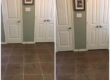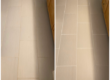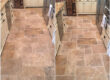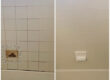
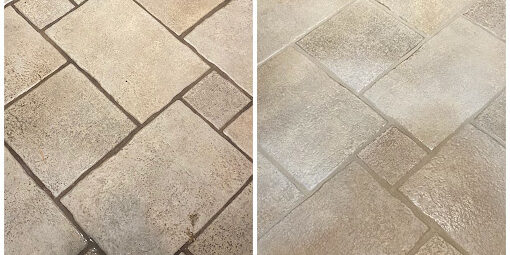
Stained grout lines, dingy joints that never look clean, and tiles that seem to age years in just a few seasons – these are the headaches many Dallas homeowners face after investing in beautiful tile floors, showers, and backsplashes. The tiles themselves often hold up well, but the grout between them becomes the weak link: it absorbs spills, traps soap scum, harbors mildew, and gradually breaks down. What began as a sleek, fresh installation can quickly turn into a maintenance nightmare that drags down the look and value of the entire space.
This is exactly the problem grout sealing is designed to solve. Properly sealed grout acts like a protective barrier, helping keep moisture, oils, and dirt out of those tiny pores that you can’t see but definitely notice when they start discoloring. In a climate like Dallas, Texas, where temperature swings, humidity, and frequent use of air conditioning can all impact surfaces, protecting grout is not just a cosmetic choice—it’s a smart, long-term investment. By sealing your grout, you’re not only making cleaning easier; you’re extending the life of your tile installation and helping prevent costly repairs down the road.
For homeowners, property managers, and business owners in the Dallas area, working with a specialist such as Shower and Grout Works Dallas means turning a vulnerable surface into a resilient one. Instead of constantly scrubbing, bleaching, and worrying about mold, sealed grout allows you to maintain a fresher, healthier, and more attractive environment with far less effort. Understanding how grout sealing works, why timing matters, and what options you have can completely change how you think about tile care and maintenance.
Why Grout Fails So Quickly
To understand why grout sealing is so important, it helps to know what grout actually is. Unlike the dense, glazed surface of ceramic or porcelain tiles, grout is a porous cement-based material that acts as the filler and stabilizer between tiles. Those pores are like tiny sponges. They readily absorb water, oils from cooking, soap residue, and pigments from coffee, wine, or even dirty mop water. Over time, these absorbed contaminants cause visible staining and discoloration that standard cleaning cannot fully reverse.
In wet environments such as showers, tubs, and bathroom floors, grout is under constant attack from moisture. In Dallas, that challenge is amplified by humidity and frequent use of hot showers. Water seeps in, and when it does not dry quickly, it creates a breeding ground for mildew and mold. Even if you diligently wipe down the tile surface, unsealed grout lines can continue to hold moisture deep within, leading to persistent musty odors and darkened joints that never seem to brighten.
Another factor is movement and structural stress. Dallas homes experience seasonal expansion and contraction due to temperature changes and soil conditions. That movement subtly shifts tile installations, and the grout joints absorb much of the stress. When grout has been weakened by moisture and contaminants, it becomes more brittle and prone to cracking or crumbling. Once cracks appear, water can penetrate even deeper behind tiles, potentially leading to loose tiles, damaged backer boards, or even leaks into adjacent rooms.
Finally, common cleaning habits can unintentionally accelerate grout damage. Harsh chemicals, acidic cleaners, and abrasive scrubbing tools can erode the top surface of grout, opening up the pores even more. Homeowners in Dallas often battle hard water deposits and soap scum, reaching for powerful products that seem to work in the short term but undermine grout integrity over time. Without a protective sealer, grout is constantly at the mercy of whatever contacts it—water, dirt, cleaners, and everyday wear.
How Grout Sealing Protects Your Tiles
Grout sealing changes the way grout interacts with its environment by creating a protective barrier within and over the surface of the joints. A quality sealer penetrates into the pores of the grout and fills those microscopic spaces with a repellent material. When liquids land on sealed grout, they are far more likely to bead up or remain on the surface instead of soaking in. This gives you time to wipe spills away before they become permanent stains.
There are two primary types of grout sealers: penetrating sealers and topical sealers. Penetrating sealers soak into the grout and provide protection from within while maintaining a natural appearance and breathability. Topical sealers sit more on the surface and can add a subtle sheen or color enhancement. In a demanding environment like a Dallas shower or a high-traffic kitchen floor, professionals such as Shower and Grout Works Dallas typically favor high-quality penetrating sealers that offer deep, long-lasting protection without making the floor slippery or changing the texture dramatically.
Once sealed, grout becomes much more resistant to staining agents like coffee, red wine, cooking oils, and colored soaps or shampoos. This is particularly valuable in kitchens and bathrooms, where accidents are inevitable. Instead of immediately absorbing these substances, the sealed grout gives you a window of time to clean the surface. Over months and years, that difference translates into brighter, more consistent grout lines and a tile installation that continues to look newer for longer.
Moisture resistance is another critical benefit. In showers, tub surrounds, and bathroom floors, grout sealing helps limit water intrusion into the joints and the materials behind them. While no sealer can make grout entirely waterproof, it can significantly slow down the rate of absorption, reducing the risk of mold growth and structural damage. In Dallas, where air conditioning can create temperature differentials that encourage condensation, this moisture control is especially important for maintaining a healthy, durable tile system.
Benefits Beyond Appearance And Cleanliness
Many Dallas homeowners first consider grout sealing for aesthetic reasons—they want their tile surfaces to look sharp and clean. However, the advantages extend far beyond appearance. One of the most important benefits is the preservation of your overall investment. Tile installations, whether in a master shower or a large open-concept kitchen, represent a significant cost in terms of materials and labor. By protecting the grout, you’re effectively protecting the entire system, helping to avoid premature replacement or major repairs.
Sealed grout is also easier and faster to maintain. Because dirt and liquids do not bond as readily with the surface, routine cleaning becomes more effective with milder products and less scrubbing. For busy households and property managers in Dallas, this translates into real time and cost savings. You can spend less effort battling stubborn grout lines and focus on simple, consistent maintenance that preserves the fresh look of your tile.
Health and hygiene are additional, often overlooked benefits. Damp, unsealed grout can harbor mold, mildew, and bacteria, especially in shower areas and around tubs. These microorganisms can contribute to unpleasant odors and even exacerbate allergies or respiratory issues. By limiting moisture absorption, grout sealing helps create a less hospitable environment for these growths. When combined with proper ventilation and regular cleaning, sealed grout supports a cleaner, healthier indoor environment for your family or tenants.
From a property value standpoint, well-maintained tile surfaces make a strong impression on buyers and renters. In the competitive Dallas real estate market, details matter. Clean, uniform grout lines suggest a home that has been carefully cared for and reduce the list of “projects” a new owner might feel they need to tackle right away. Whether you plan to stay in your home long-term or are considering selling in the near future, grout sealing is a relatively small step that can yield outsized returns in perceived and actual value.
Professional Grout Sealing Vs. DIY Efforts
Walk into any home improvement store in Dallas, and you’ll find shelves of grout sealers promising quick and easy results. While DIY sealing is possible, there are critical differences between a basic do-it-yourself job and a professional service provided by specialists like Shower and Grout Works Dallas. The first difference is in surface preparation. For sealer to bond properly and perform as intended, grout must be thoroughly cleaned and free from soap scum, oils, existing sealers, and contaminants. Professionals use specialized cleaners, equipment, and techniques to deep-clean grout before sealing, ensuring the new sealer penetrates evenly.
Another key distinction lies in product selection and application technique. Not all sealers are created equal; some are better suited for light-traffic areas, while others are formulated for heavy use and wet environments. A professional will evaluate the specific conditions of your tile installation—such as whether it’s on a shower wall, bathroom floor, kitchen backsplash, or commercial lobby—and choose a product designed for those demands. They also apply the sealer with the proper dwell times, number of coats, and wiping techniques to avoid streaks, hazing, or uneven coverage.
Professionals are also trained to spot issues that a homeowner might miss. During the evaluation and cleaning process, they may find hairline cracks, hollow tiles, deteriorated caulk, or areas where water has already begun to infiltrate. Addressing these problems before sealing is crucial; otherwise, the sealer could trap moisture or fail to adhere properly in compromised regions. In Dallas, where older homes and shifting foundations are common, this trained eye can prevent small concerns from becoming major water-damage problems.
Finally, professional grout sealing typically comes with guidance on ongoing maintenance and, in some cases, warranties or guarantees. Instead of guessing how often you should reseal or which cleaners are safe, you receive specific recommendations tailored to your surfaces and usage patterns. For many homeowners, the peace of mind that comes with knowing the job was done correctly—and that there is a local expert to call with questions—is well worth the investment.
When And Where To Seal Grout In Your Home
Timing is crucial when it comes to grout sealing. For new tile installations in Dallas homes, grout should be sealed after it has fully cured, typically within a few days to a couple of weeks depending on the product used. Waiting too long leaves the grout unprotected and vulnerable to early staining, especially in kitchens and bathrooms that see immediate use. For existing tile, the best time to seal is after a thorough professional cleaning, once the grout has been restored as close as possible to its original color and condition.
High-moisture and high-traffic areas should be at the top of your sealing priority list. Showers, tub surrounds, and bathroom floors are constantly exposed to water, shampoo, soap, and cleaning agents. In these spaces, grout sealing is almost non-negotiable if you want to prevent mold, mildew, and deterioration. Kitchen floors and backsplashes are next in line, as they must withstand spills, splatters, and regular mopping. Entryways, mudrooms, and laundry rooms in Dallas homes also benefit from sealing because they encounter tracked-in dirt, grit, and occasional standing water.
Grout sealing is not limited to residential settings. Commercial properties in Dallas, such as restaurants, medical offices, gyms, and retail spaces, often have extensive tile surfaces that see heavy daily use. For these environments, sealing is a key component of a broader maintenance plan designed to keep spaces hygienic, attractive, and safe. Professional services can schedule work during off-hours to minimize disruption, and they can recommend more robust commercial-grade sealers that stand up to intense traffic and frequent cleaning.
As a general guideline, most sealed grout should be inspected and potentially resealed every 1–3 years, depending on usage, cleaning practices, and the type of sealer used. Simple tests, such as placing a few drops of water on the grout and observing whether they bead up or soak in, can indicate when protection is fading. Partnering with a local expert like Shower and Grout Works Dallas makes it easier to set a sensible schedule and avoid letting your grout go unprotected for too long.
Color Sealing For A Fresh New Look
For grout that is badly stained, uneven, or simply dated in appearance, standard clear sealing may not be enough to achieve the transformation you want. This is where color sealing comes in. Color sealing involves applying a specialized, pigmented sealer that not only protects the grout but also completely recolors it. This process can make old grout look brand new and even change its shade to better match your current design preferences or updated decor.
In many Dallas homes, original grout colors were chosen years ago and no longer complement new paint, cabinetry, or fixtures. Rather than undertaking a costly and disruptive full tile replacement, color sealing allows you to refresh the look of your tile installation at a fraction of the cost. You can go from dingy off-white lines to crisp, bright joints or opt for a contrasting or coordinating color that highlights the tile pattern. The result is often dramatic, giving bathrooms, kitchens, and floors a modern, cohesive appearance.
Beyond aesthetics, color sealers provide a high level of stain resistance and protection. They form a durable, uniform coating that shields grout from moisture, oils, and dirt. This means that once your grout has been color sealed, it is typically even easier to clean than grout treated with a standard clear sealer. Many Dallas homeowners are surprised at how little effort is needed to maintain the renewed look; routine sweeping and gentle mopping often suffice to keep the grout lines looking sharp.
If you are considering this option, it is worth discussing your goals with a professional like Shower and Grout Works Dallas, who can explain color choices, durability expectations, and maintenance tips. To learn more about this specialized service, you can explore options such as Color Sealing to see how it might fit into your tile care strategy.
Frequently Asked Questions
How do I know if my grout needs to be sealed or resealed? A simple way to test is to place a few drops of water on the grout lines and observe what happens over the next few minutes. If the water beads up and stays on the surface, your sealer is likely still doing its job. If it quickly darkens the grout and soaks in, the protective barrier has worn off and it is time to reseal. In Dallas, where showers and floors see heavy use, this test is especially useful in high-traffic or high-moisture areas. Visible staining, persistent discoloration after cleaning, or recurring mildew can also indicate that your grout is unsealed or inadequately protected.
Can I seal grout myself, or should I hire a professional? While many DIY products exist, the quality and longevity of the results often depend on thorough cleaning, proper product selection, and correct application. If your grout is relatively new, clean, and in a low-risk area, a careful homeowner might achieve acceptable results with DIY sealing. However, for showers, heavily used floors, or grout that has already started to stain, professional help from a company like Shower and Grout Works Dallas is strongly recommended. Professionals use commercial-grade products, deep-cleaning methods, and trained techniques that provide more reliable, longer-lasting protection.
How often should grout be sealed in a Dallas home? The ideal frequency depends on usage levels, the type of sealer applied, and cleaning practices. As a general rule, most residential grout in Dallas should be inspected every year and resealed every 1–3 years. Shower areas and busy kitchen floors may need more frequent attention, while lightly used spaces may go longer between applications. Factors such as the presence of children, pets, or rental tenants can also influence how quickly sealers wear down. A professional evaluation can provide a customized schedule based on your specific conditions.
Will sealing my grout make my floors slippery? Properly sealing grout does not typically make tile floors slippery because the sealer is applied primarily to the grout joints, not as a thick coating over the entire tile surface. Penetrating sealers, which are commonly used on floors and showers in Dallas, soak into the grout and do not leave a glossy or slick film. If a topical sealer is used for specific aesthetic reasons, a professional will choose a product and application method designed to maintain safe traction. Always discuss your concerns with your service provider so they can recommend the most appropriate solution.
Is grout sealing worth the cost compared to replacing grout or tile? In most cases, grout sealing is a highly cost-effective way to protect and extend the life of your existing tile installation. Replacement of grout or tile involves demolition, disposal, new materials, and labor, which can quickly become expensive and disruptive. By contrast, sealing is relatively quick, non-invasive, and far less costly, especially when performed before major damage occurs. For Dallas homeowners, investing in grout sealing through a specialist like Shower and Grout Works Dallas is a practical strategy to safeguard your tile investment, maintain a clean and attractive home, and avoid premature replacement projects.