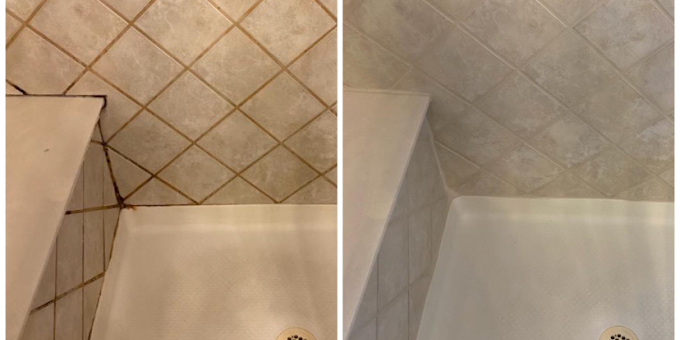
If your bathroom grout lines look cracked, missing in spots, or loose to the touch, you are not just dealing with an eyesore. In Dallas, TX, routine temperature swings and busy shower routines can push moisture into weak joints, leading to bigger tile and bathroom restoration problems. This guide explains what to check, when regrouting or grout line repair is the right step, and how to decide between targeted fixes and fuller grout replacement.
Your shower grout lines start out fine, then you notice hairline cracks, small gaps where grout used to be, or a section that feels slightly raised when you run your finger along it. Sometimes it is paired with discoloration that will not scrub away, or you see a few loose tiles that shift when stepped on.
These issues can progress because grout is not only for appearance. It helps protect the spaces behind tile from water and grime. The goal of this guide is to help you understand what cracked, missing, and loose joints usually mean, what options fit the condition you see in your home, and what questions to ask before any tile repair begins.
- Quick answer
- What to check first
- Main things customers should understand
- Why this matters in Dallas, TX
- Common mistakes to avoid
- Customer checklist
- Frequently asked questions
Quick Answer
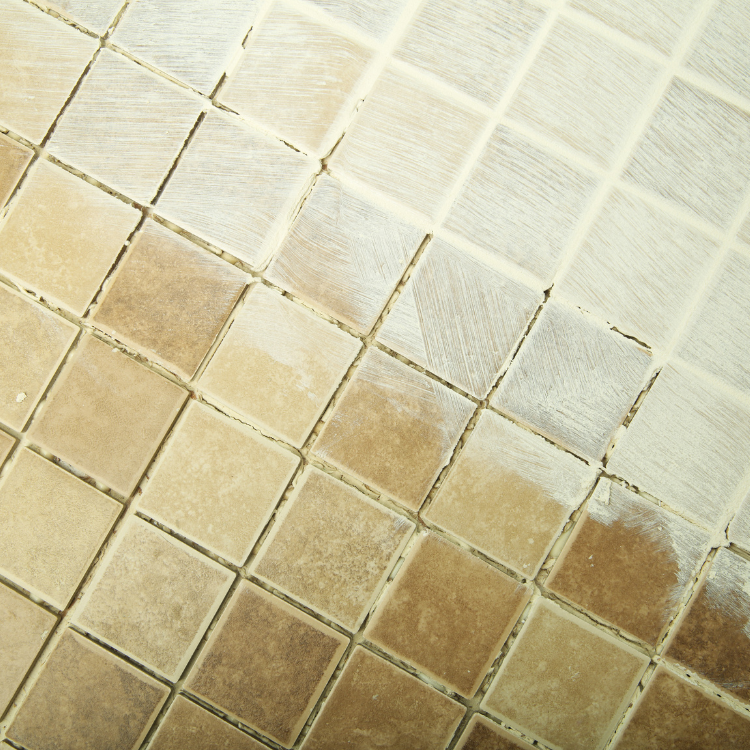
If grout is cracked, missing, or loose, the safest next step is to inspect the grout lines and the tile surface for softness, movement, and recurring moisture staining. Small surface cracking can sometimes be addressed with regrouting or grout line repair, but loose joints that keep reopening often indicate the underlying bond or waterproofing has weakened. A practical approach is to start with a targeted assessment so you do not replace grout over a problem that needs waterproofing or loose tile repair. For many Dallas homes, a grout repair plan that includes proper caulking and sealing is what helps keep repairs looking clean longer.
What to Check First
Start with a quick, careful look at the grout lines and the edges around fixtures. Cracks that follow the same grout channel pattern are common, but the location matters. Grout that is failing at corners, along tub surrounds, or near shower glass often points to joint movement and caulking breakdown, not just a cosmetic issue.
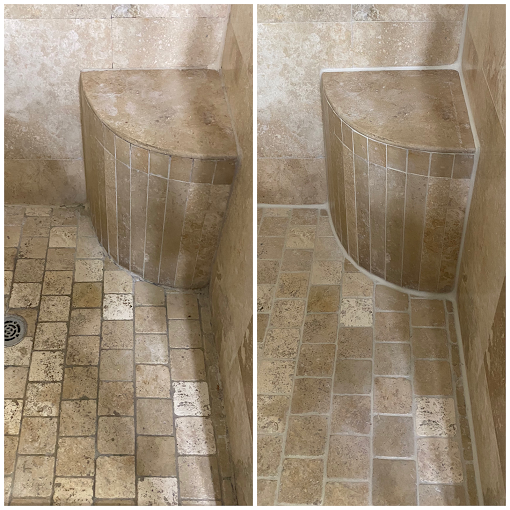
1) Check for movement
Press gently on a suspect tile. If it shifts even slightly, you may be dealing with loose tile repair rather than grout alone.
2) Look for recurring staining
Discoloration that returns after cleaning can be linked to mold and mildew removal needs or moisture getting behind the tile.
3) Inspect caulk lines
Where the tub or shower meets trim, the caulk and silicone replacement matter as much as grout. If the silicone has gaps, water routes into grout joints.
Professional observation: Cracked grout is sometimes treated as a “surface fix,” but when the joint is loose or repeatedly re-cracking, the repair needs to address the cause. In many bathrooms, that means combining grout line repair with the right caulking services and, when necessary, tile and grout color sealing to help resist future staining.
Main Things Customers Should Understand
When people search for tile cleaning and grout repair near me, they usually want the fastest visual improvement. The most durable results come from matching the repair method to what is actually happening in the joint. The differences between cracked, missing, and loose grout usually point to different repair paths.
| What you see | Most likely cause | Common repair approach |
|---|---|---|
| Hairline cracks in grout lines | Normal movement, shrinkage, or aging grout | Grout regrouting and grout color restoration where appropriate |
| Missing grout in small sections | Grout eroded or chipped out by impact or cleaning tools | Grout line repair, followed by tile and grout color sealing |
| Loose joints or grout that lifts out easily | Bond failure or moisture getting behind tile | Grout line replacement and loose tile repair, with attention to waterproofing services |
| Discoloration along corners, tub edges, or shower glass | Caulk breakdown, water routing, or staining | Recaulking or silicone replacement plus targeted cleaning for hard water stain removal, mold and mildew removal, or grout haze removal |
In practice, the “right” plan often includes more than one step. For example, bathroom tile restoration may require deep tile cleaning first so you can see the real condition of the grout lines. Then the repair work comes next, and sealing helps with everyday protection. If you have natural stone surfaces, the approach can shift toward natural stone restoration and natural stone sealing, such as stone cleaning and penetrating sealer application.
Where grout repair fits: Many homeowners pair grout line repair with shower regrouting, shower tile sealing, or shower pan cleaning when the surrounding areas show wear. This is also a good time to consider shower glass restoration if you are battling persistent spots that look like staining but are actually residue and water marks.
Why This Matters in Dallas, TX
In Dallas, TX, bathrooms often see frequent use year-round, and the surfaces are exposed to repeated hot water, steam, and rapid drying. That cycle can stress grout and caulk joints over time, especially in older tile installations or homes where the bathroom was built with different materials than what you see today. If water can find its way into loose joints, you can end up with discoloration, recurring grime, and damage that spreads beyond the original crack.
A local, homeowner-friendly way to think about it is this: grout is your line of defense at the tile edges. When joints crack or loosen, the problem usually is not only “how it looks,” but how water and cleaning chemicals move through the system. That is why a repair plan in Dallas often includes both grout repair and the sealing or caulking details that help reduce future moisture intrusion.
If your grout issue is part of a wider bathroom refresh, you may also want to review related services. For example, if the tile and grout are heavily soiled before repair, tile cleaning in Dallas, Texas can help you get a clear view of what needs to be repaired. If the condition is concentrated in your shower, exploring shower renovation in Dallas can be a helpful next step for homeowners planning a more complete bathroom restoration.
Get a grout repair plan matched to your joints
If you are dealing with cracked, missing, or loose grout in Dallas, TX, a focused assessment helps you avoid replacing grout over the wrong problem. Grout Works Dallas can help you choose between grout line repair, regrouting, and related steps like caulking services and sealing based on what you are seeing.
Contact Grout Works DallasCommon Mistakes to Avoid
Most grout problems get worse after a few common missteps. Homeowners often try to “cover it up” with quick patch products or aggressive scrubbing, but those actions can mask the real issue and create new problems for tile and grout color sealing.
Scrubbing before inspecting
If you cannot see where grout is loose or missing, it is easy to choose the wrong repair approach. Deep cleaning can help, but inspection should come first.
Caulk ignored at tub and shower seams
When silicone replacement is overdue, grout cracks often reappear near the edges. Recaulking is usually part of a complete repair.
Patching without preparing the joint
Grout line repair can fail when old, weak material remains. Proper removal and joint prep are key for grout regrouting or grout line replacement.
Practical recommendation: If you suspect loose tile repair, do not rely on grout alone. When tiles move, water can travel through the system. In those situations, the repair plan may need to include addressing the tile and grout bond, not just the visible grout.
Customer Checklist
Use this checklist before you schedule grout repair. It helps you describe the issue accurately and makes it easier to choose the right scope of work for grout repair near me in Dallas, TX.
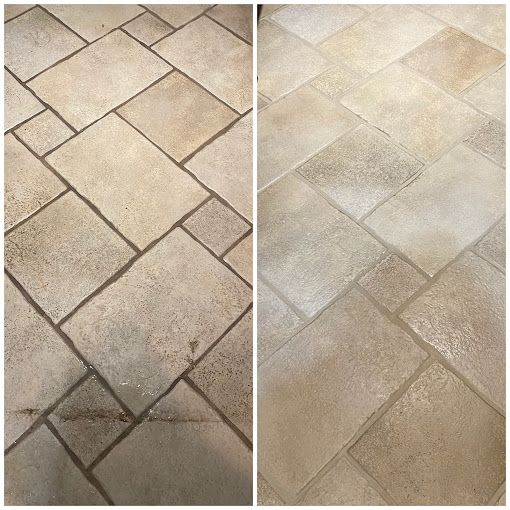
- Note where the grout cracks or missing sections are located (shower corners, tub surround, floor lines, or around fixtures).
- Check whether any tile feels loose or moves when you press gently.
- Look at caulk and silicone lines at edges and seams. Note any gaps, peeling, or missing sections.
- Clean a small test area and observe what stains remain (hard water stain removal, mold and mildew removal, or grout haze removal).
- Take note of whether discoloration returns quickly after cleaning.
- Confirm the surface type if you have natural stone (travertine, marble, slate, limestone) so sealing and restoration steps match the material.
A Representative Dallas Home Scenario
A homeowner in Dallas, TX noticed cracked grout lines along the shower floor and a few joints that had missing sections near the curb. After cleaning, the lines looked better for a short time, but the discoloration returned, especially around the edges. When they pressed on a couple of tiles, they felt slight movement. Instead of replacing only the visible grout, the repair plan focused on grout line replacement for the failing sections, addressed the surrounding silicone replacement needs, and included sealing afterward to reduce future staining and moisture intrusion. The result was a shower with cleaner grout lines and fewer recurring spots.
Frequently Asked Questions
Can cracked grout be fixed without replacing all the tile?
Often, yes. If the tile is stable and the grout issue is limited to cracks or missing segments, grout line repair or shower regrouting can be enough. The key is confirming whether the grout is simply aged and cracked, or whether it is loose and letting moisture behind the tile. If you notice movement in tiles or recurring staining that comes back quickly, the repair plan usually needs grout line replacement and may include loose tile repair plus the right caulking services and sealing.
What is the difference between regrouting and grout line replacement?
Regrouting typically means removing existing grout from the affected lines and installing new grout where it has cracked or deteriorated. Grout line replacement is broader and usually used when the joint has failed more significantly, such as when grout is loose, missing in larger areas, or not holding properly. The difference matters because the more the joint has broken down, the more prep and replacement steps are required to help the repair stay stable. A proper assessment helps determine which option fits your bathroom tile restoration needs.
Why does discoloration return after I clean the grout?
Discoloration that returns after cleaning often suggests residue and staining are not the only issues. If moisture repeatedly gets behind the grout due to cracked joints or failing caulk, mold and mildew can reappear and hard water stain removal may not fully solve the problem. In those cases, the repair plan may include mold and mildew removal steps, silicone replacement, and sealing, not just cleaning. Getting the joints and seams addressed is what helps reduce the cycle of recurring spots.
Do I need caulking services for grout repair in a shower or tub?
In many showers and tub surrounds, yes. Grout protects the spaces between tiles, but silicone and caulk protect the movement joints where water pressure and surface movement occur. If silicone replacement or recaulking is overdue, water can route into grout lines and contribute to cracked, missing, or loose joints. A complete repair plan often pairs shower regrouting or grout line repair with updated caulking services, then finishes with the right sealing to help with everyday maintenance.
My grout haze looks dull after cleaning. Is that the same as mold?
Not always. Grout haze can be a residue problem that makes grout look cloudy or dull, even when it is not actively growing mold. Mold and mildew removal involves different conditions and can be linked to recurring moisture intrusion. If you are unsure, it helps to evaluate where the haze appears and whether it returns quickly. In many cases, proper cleaning followed by sealing improves appearance and helps reduce future buildup, but the repair should still address any cracked or loose joints underneath.
Ready to fix the joints, not just the surface?
If your grout lines in Dallas, TX are cracked, missing, or loose, Grout Works Dallas can help you select the right combination of grout repair, caulking services, and sealing for a cleaner, more protected bathroom tile surface.
(972) 841-3495
About Grout Works Dallas
Grout Works Dallas provides grout repair and bathroom restoration support for homeowners and property managers across Dallas, TX & surrounding areas. Whether you need shower regrouting, grout line repair, caulking services, or help with tile cleaning and bathroom tile restoration, the focus is on matching the repair approach to the condition of your grout joints and the surrounding surfaces.
Explore more service areas like grout repair in Dallas or consider grout work for new homes if your project is just getting underway.