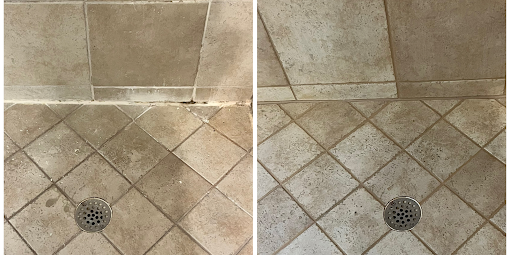
Grout Cleaning, Repair, Sealing Magic
If your shower grout looks dull, stained, or cracked, it is usually more than just “dirty grout.” This guide helps you spot what is happening, choose the right fix, and understand how grout sealing and shower restoration fit together in Dallas bathrooms.
You scrub the shower, but the grout still looks gray. Then you notice a few hairline cracks in the grout lines, and water seems to linger longer along the edges of the tile.
In Dallas, that “looks worse after cleaning” cycle is common because showers take repeated heat and moisture, and mineral-rich water can leave hard water marks that sit in the grout. The good news is that many shower issues can be improved with the right mix of deep tile cleaning, targeted tile repair, and proper grout sealing.
This article will help you understand what to check first, when regrouting or caulking services are worth considering, and how to avoid the common mistakes that lead to recurring mold and mildew.
Quick Answer
If your shower grout is stained but the lines are still solid, start with professional tile cleaning and grout haze removal, then follow with the right tile and grout color sealing. If the grout is cracked, missing in spots, or the caulk looks separated, cleaning alone will not hold up. In that case, you are usually looking at grout line repair or shower regrouting, plus silicone replacement and recaulk where needed. Grout Works Dallas can help you choose the correct approach for your exact shower condition.
What to Check First
Before you buy cleaners or scrub harder, do a quick condition check. The goal is to separate “surface staining” from “grout or seal failure.”
1) Look for movement
Press lightly along the grout line. If sections feel loose or the grout crumbles, you will likely need grout line repair or replacement instead of cleaning only.
2) Track where water goes
Notice any areas where water seems to pool along the tile edges, the tub surround, or the shower pan. That often points to failing caulking or grout that has lost its protective barrier.
3) Check caulk joints
Separated caulk at corners and where tile meets a tub or wall can allow moisture to reach behind the tile. That is when recaulking and silicone replacement become part of the fix.
If you are dealing with natural stone (like travertine, marble, slate, or limestone), the approach may differ because stone often needs stone cleaning and natural stone sealing rather than grout-only treatment.
Main Things Customers Should Understand
Shower restoration usually works best when you treat the root cause, not just the appearance. Here are the main factors Grout Works Dallas evaluates for Dallas showers.
Professional observation: When grout looks “dirty,” it is often a combination of soap scum, mineral deposits, and grout color change. The cleaning step matters, but so does what you seal afterward, especially in a high-moisture shower.
Cleaning vs. repair vs. sealing
Not every shower needs regrouting. Many do well with a deep clean and sealing, but visible cracks, missing grout, and failing caulk joints usually point to repair steps.
| Shower condition you notice | What it often indicates | Common solution path |
|---|---|---|
| Grout looks dull, gray, or has haze | Surface buildup and grout color staining | Deep tile cleaning and grout haze removal, followed by appropriate grout color sealing |
| Hairline cracks in grout lines | Grout line stress or early seal failure | Grout line repair and re-sealing where needed, plus checking nearby caulk joints |
| Grout missing or crumbling in spots | Grout has failed and is no longer protecting the substrate | Grout line replacement or shower regrouting, with waterproofing services considerations as part of the restoration approach |
| Caulk looks separated or discolored at corners | Moisture pathways where tile meets tub or walls | Recaulking and silicone replacement with proper joint preparation |
| Stains that seem mineral-based (hard water marks) | Mineral deposits embedded in grout or tile surface | Hard water stain removal with the right cleaning method, then tile and grout color sealing |
Where sealing fits in
Sealing is what helps reduce how quickly grout and tile absorb water and stains. It is not a magic cover-up for cracked or missing grout. In a shower, sealing works best when the grout lines are intact and the caulk joints are properly addressed.
Natural stone and specialty finishes
If your shower includes natural stone, Grout Works Dallas also supports natural stone restoration and stone tile sealing so the finish stays consistent. For example, travertine cleaning and marble polishing are different from porcelain tile cleaning and ceramic tile cleaning.
To understand how restoration can be handled in different conditions, you can explore:
Why This Matters in Dallas, TX
Dallas showers deal with frequent temperature swings and long steam sessions, especially in homes with busy schedules. Over time, that moisture exposure can worsen grout discoloration and make existing caulk joints fail faster. If you are in a home with older tile installs, you may also see grout that has been cleaned repeatedly but never properly repaired or sealed.
A practical local insight: many Dallas homeowners notice that grout stains return even after cleaning. That is often because mineral buildup and moisture exposure keep repeating, and the protective layer is not consistently in place. The “revival” happens when cleaning, repair, and sealing are matched to what is actually going on in the shower.
Firsthand-style industry observation
In the field, one pattern shows up again and again: the grout looks the worst at the corners and along the lower edges. That is where water and soap residue concentrate and where caulk joints tend to separate first. When we address grout line repair and then follow with correct sealing, the shower usually looks more even and stays cleaner longer because the grout is not acting like a sponge.
Want your shower to look “clean” and stay that way?
Grout Works Dallas can help you choose between grout cleaning, tile repair, shower regrouting, and sealing based on what you see in your Dallas bathroom.
Call (972) 841-3495Serving Dallas, TX & surrounding areas
Common Mistakes to Avoid
These are the mistakes that often lead to recurring stains, cracking, or grout that never looks right again.
- Scrubbing without checking grout stability. If grout is loose or cracked through, aggressive cleaning will not fix the protective barrier.
- Ignoring caulk joints. Even clean grout can discolor quickly if moisture is constantly getting behind the tile through separated silicone or caulk.
- Using the wrong approach for natural stone. Travertine, marble, slate, and limestone need stone cleaning and appropriate sealing practices to avoid dulling or uneven results.
- Sealing over unresolved damage. Sealer can help when grout lines are intact, but it is not a substitute for crack repair, loose tile repair, or grout line replacement when those issues are present.
- Overlooking shower glass restoration needs. If water spots are spreading across glass too, addressing shower glass restoration and cleaning methods can improve how the whole shower looks.
Customer Checklist
Use this checklist when you are deciding what kind of help you need for your shower. It will also help you describe the issue clearly when you call Grout Works Dallas.
- Take a few photos of grout lines in corners, along the bottom edges, and around the tub surround.
- Check whether caulk looks separated where tile meets a tub, wall, or shower pan.
- Note any areas with visible cracks, missing grout, or rough edges along the grout line.
- Identify the surface type: ceramic tile, porcelain tile, natural stone (travertine, marble, slate, limestone), or mixed materials.
- Confirm whether stains look like hard water deposits, mold and mildew removal needs, or general grout discoloration.
- Decide what you want most: better appearance, better water protection, or both.
Representative Dallas scenario
A homeowner in Dallas noticed their shower grout had dark spots that came back quickly after cleaning. The caulk at the corners looked shrunken and discolored. After inspection, the job required more than cleaning: Grout Works Dallas performed grout restoration steps and included recaulking to address the moisture pathway. Once the grout and joints were treated correctly, the shower looked brighter and the grout lines appeared more uniform.
Frequently Asked Questions
Can grout cleaning remove mold and mildew from shower grout?
Often, yes. If the mold and mildew are primarily on the surface of the grout and tile, professional deep tile cleaning and mold and mildew removal can make a noticeable difference. However, if the grout lines are cracked, missing, or if caulk joints are failing, moisture will keep returning and stains may come back. That is why grout cleaning is most effective when it is paired with the right repair and sealing decisions based on what you see in the shower.
When do you recommend grout repair versus full regrouting?
Grout repair is often the better fit when the grout is mostly intact but has localized issues such as small cracks or damaged sections along specific grout lines. Full shower regrouting is more likely when grout is missing in multiple areas, crumbling, or when the shower needs broader grout line replacement to restore the protective layer. A condition check in your Dallas shower is the fastest way to match the right scope to what is actually failing.
Do I need sealing after grout cleaning?
In many cases, yes. Sealing helps reduce how quickly water and stains are absorbed, which supports longer-lasting results after cleaning. When grout is properly cleaned and intact, sealing can support easier future maintenance. If the grout lines have unresolved cracks or if caulk joints are separated, sealing alone will not prevent moisture issues. The best results happen when the process includes cleaning, repair where needed, and then appropriate tile and grout color sealing.
What’s the difference between caulking and grout repair?
Grout fills the spaces between tile, while caulk (silicone or similar sealant) is used for movement joints and transitions, such as where tile meets a tub or shower pan. If caulk is separated, it can allow moisture to move where grout cannot. That is why silicone replacement and recaulking are often part of a shower restoration even when grout also needs attention. A professional assessment can help you treat the correct material for the correct problem.
Can you restore showers with natural stone like travertine or marble?
Yes. Natural stone restoration is different from grout-only cleaning because stone types require specific cleaning and sealing approaches. Grout Works Dallas supports travertine cleaning, marble polishing, slate cleaning, and limestone cleaning, along with natural stone sealing and stone tile sealing when appropriate. If your shower has mixed materials, the process is typically customized so the finish looks consistent across tile and stone.
Ready for shower revival in Dallas?
If your grout lines are stained, cracked, or paired with failing caulk joints, Grout Works Dallas can help map out the right combination of cleaning, repair, and sealing.
Visit groutworksdallas.comOr call (972) 841-3495