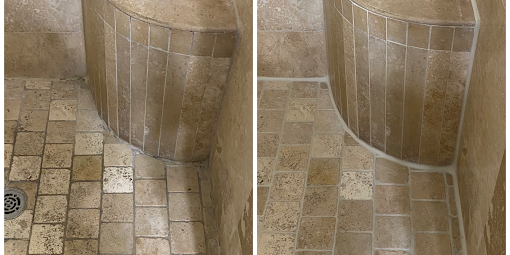
In many older homes, the grout is failing long before the tile ever shows its age. Industry studies estimate that more than half of shower and bathroom tile issues are actually grout-related, not tile-related. That means a huge number of aging bathrooms in Dallas are being completely re-tiled or remodeled when the real problem could be solved with targeted grout repair techniques. For homeowners in older neighborhoods across Dallas, Texas, understanding what can be repaired, what should be replaced, and how to protect original tile work can save thousands of dollars and preserve the character of the home.
Grout in aging homes faces a unique set of challenges: movement in older foundations, outdated installation methods, moisture intrusion, and decades of cleaning with harsh chemicals. All of these factors weaken grout lines, create gaps, and open the door to mold, mildew, and water damage behind the tile. Instead of assuming that cracked or stained grout means you need a full renovation, it is worth exploring modern grout repair techniques that can stabilize, refresh, and protect your existing tile. Shower and Grout Works Dallas specializes in this kind of restoration, helping homeowners extend the life of their tile surfaces while improving appearance and hygiene.
From precision regrouting to advanced sealing and structural crack repair, today’s grout solutions are far more effective than what was available when many older Dallas homes were built. The key is matching the right method to the specific problem. Hairline cracks, missing joints, persistent stains, and recurring mold all have different causes and call for different repair strategies. When you understand these techniques, you can make informed decisions, ask the right questions, and work with professionals to get maximum value from your existing bathrooms, showers, and tiled spaces.
Understanding Aging Grout
Before deciding on a repair technique, it helps to understand why grout in older homes fails in the first place. Traditional cement-based grout is porous, which means it absorbs water, cleaning agents, body oils, and soap residue over time. In an older shower that has seen daily use for years or decades, those tiny pores become saturated. As moisture enters and evaporates repeatedly, the grout can weaken, crumble, or separate from the edges of the tile. This is especially common in Dallas homes where temperature swings and occasional foundation movement put extra stress on rigid grout lines.
Another factor in aging grout is the installation practices of past decades. In many older homes, grout was applied without modern waterproofing membranes behind the tile. That means the grout lines are acting as one of the main defenses against moisture intrusion. When grout cracks or pulls away, water can migrate behind the tile and into the wall or floor structure. Over time, this can lead to soft spots, loose tiles, or even hidden mold growth. When Shower and Grout Works Dallas evaluates an older shower, they are not just looking at what you can see on the surface; they are also considering what might be happening underneath.
Cleaning history also plays a big role. Many homeowners unknowingly damage their grout by using abrasive powders, stiff brushes, or harsh chemicals such as bleach and acidic cleaners. In older grout that is already weakened, aggressive cleaning can strip away the top layer and enlarge hairline cracks. The grout may appear “clean” in the short term but becomes more porous and fragile, making it easier for stains and moisture to return. Understanding this cycle is crucial, because effective grout repair in an aging home is not just about fixing what is damaged; it is about breaking the pattern that caused the damage in the first place.
When Regrouting Is The Best Option
Regrouting is one of the most transformative grout repair techniques for aging homes, especially in showers and tub surrounds. This process involves removing the old, failing grout and replacing it with new material while keeping the existing tile in place. In many Dallas bathrooms, the original tile is still structurally sound and even stylistically desirable, particularly in mid-century or vintage homes. Regrouting allows you to preserve that character while dramatically improving performance and appearance.
The key to successful regrouting is thorough removal of the old grout. Professionals use specialized tools to carefully grind or scrape out the existing grout without chipping or cracking the tile. In an older home, this step requires patience and experience, because older tiles can be more brittle and may not have been installed with the same uniform spacing seen in newer construction. Shower and Grout Works Dallas technicians are trained to work within these constraints, targeting only the grout lines and leaving the tile intact. Once the old grout is removed to the proper depth, the lines are cleaned to remove dust, soap residue, and contaminants that could interfere with the bond of the new grout.
Choosing the right type of replacement grout is another important decision. In high-moisture areas like showers, a high-quality, polymer-modified grout or epoxy grout can provide superior durability and stain resistance compared to the original materials used decades ago. Epoxy grout, in particular, is much less porous than cement-based grout and resists mold and mildew growth. However, it is more challenging to install correctly, which is why many homeowners in Dallas prefer to have a professional handle the regrouting process. Once complete, the shower or tiled area often looks almost new, with crisp, uniform grout lines that are easier to clean and maintain.
Targeted Crack And Joint Repairs
Not every aging grout problem requires full regrouting. In some older homes, the grout is generally stable but shows localized cracking, especially in high-stress areas such as corners, changes in plane, or along bathtub edges. These cracks often result from slight structural movement, thermal expansion, or minor settling over time. In these situations, targeted crack and joint repairs can be a smart, cost-effective technique that restores function and prevents further damage without disturbing the rest of the grout.
One common strategy is to remove rigid grout from movement-prone joints and replace it with a flexible, color-matched caulk or sealant. This is particularly important in vertical corners and where walls meet floors or tubs. Building standards now recommend using a flexible sealant in these locations rather than grout, because grout is not designed to flex. In older Dallas bathrooms, it is common to find grout in these joints, which then cracks as the structure moves. By carefully removing that grout and installing a high-quality silicone or urethane sealant, professionals create a joint that can expand and contract without opening up again.
For hairline cracks running through the field of the grout (between tiles on a flat surface), the repair approach may differ. If the cracks are superficial and the grout is still bonded well beneath the surface, a professional may clean the lines thoroughly and apply a penetrating sealer or surface treatment that helps stabilize the grout and prevent moisture from exploiting those micro-cracks. If the cracks are deeper or indicate that the grout has lost adhesion, those specific lines may be cut out and regrouted selectively. This kind of precision work is common in aging kitchens and entryways in Dallas, where only certain zones receive heavy foot traffic or stress.
Dealing With Stains, Mold, And Discoloration
One of the most visible signs of aging grout is discoloration. Over time, grout can turn yellow, brown, or even black, especially in showers and around toilets or sinks. In older homes, this staining is often deeply embedded, making regular scrubbing ineffective. Mold and mildew can also take hold in porous grout, creating both aesthetic and health concerns. Many homeowners assume that stained grout must be replaced entirely, but in many cases, specialized cleaning and restoration techniques can revive the surface without full removal.
Professional grout cleaning typically begins with identifying the type of staining present. Soap scum, hard water deposits, biological growth, and chemical damage all respond differently to various cleaners. In Dallas, where water hardness can vary by neighborhood, mineral buildup is a frequent culprit. Technicians use commercial-grade, pH-balanced products and appropriate dwell times to break down contaminants without eroding the grout itself. In stubborn cases, gentle mechanical agitation or steam cleaning may be used to lift deep-set grime.
Once the grout is as clean as possible, the next step is often to protect and visually refresh it. This is where advanced sealing techniques become especially valuable for aging homes. A penetrating sealer can reduce the grout’s porosity, making it less likely to absorb new stains or harbor mold. For grout that remains uneven in color even after cleaning, a colored sealant can be applied to create a uniform, updated appearance while also providing a protective barrier. Shower and Grout Works Dallas frequently recommends this approach for older showers and floors, because it combines cosmetic improvement with long-term defense against moisture and staining.
Sealing And Color Sealing For Long-Term Protection
Sealing is one of the most important, yet most overlooked, grout repair techniques for aging homes. After grout has been repaired, replaced, or thoroughly cleaned, it is still vulnerable if left unsealed, especially in wet environments. Traditional penetrating sealers soak into the grout and form a protective layer within its pores. This helps repel water, oils, and stains, making routine cleaning easier and minimizing the risk of new discoloration. In an older Dallas bathroom where grout has already endured decades of exposure, sealing is not optional; it is a vital final step that extends the life of every other repair.
Color sealing takes this concept further by combining protection with a complete visual overhaul. A high-quality color seal is essentially a tinted, epoxy- or urethane-based coating that bonds to the cleaned grout surface. It allows you to change the grout color entirely or simply even out inconsistencies while creating a dense, non-porous barrier. For aging homes with outdated grout colors (such as dingy off-whites or uneven beiges), color sealing can make the entire tile installation look more modern and cohesive. It is also an excellent option when the grout is structurally sound but permanently stained.
Another advantage of color sealing in older homes is its ability to mask minor imperfections. Hairline cracks, small pits, and slight variations in grout width become less noticeable once a uniform color layer is applied. This can be especially helpful in older Dallas properties where tile work was done by hand and may not match the precision of today’s installations. By choosing a grout color that complements the tile and overall design, homeowners can dramatically improve the aesthetics of their bathrooms and floors without the expense and disruption of re-tiling. To learn more about how this works in practice, you can explore options such as Color Sealing and discuss them with a grout restoration specialist.
Knowing When Repair Isn’t Enough
While modern grout repair techniques can solve a wide range of issues, there are situations in aging homes where repair alone may not be sufficient. If tiles are loose, hollow-sounding, or falling off the wall, that is often a sign of deeper structural or substrate problems. Long-term water intrusion behind the tile can rot drywall, weaken mortar beds, or corrode fasteners. In these cases, simply regrouting or sealing the surface would be like putting a bandage over a structural crack. A reputable company like Shower and Grout Works Dallas will always assess the underlying conditions and be honest about when a more extensive renovation or rebuild is necessary.
Another red flag is recurring mold or mildew that returns quickly even after professional cleaning and sealing. This can indicate hidden moisture trapped behind the tile or within the wall cavity. In older Dallas homes that predate modern waterproofing standards, it is not uncommon to find showers built without proper moisture barriers. When moisture has been infiltrating the structure for years, there may be hidden damage that requires opening up the walls, replacing substrate materials, and rebuilding the shower assembly with current waterproofing methods. In this scenario, grout repair may still play a role, but as part of a larger reconstruction project.
Budget and long-term goals should also be considered. Sometimes, a homeowner plans to fully remodel a bathroom in a few years but needs the shower to be safe, clean, and functional in the meantime. In that case, targeted grout repairs, regrouting, and sealing can serve as an effective bridge solution, extending the life of the existing installation until a full renovation is feasible. Other times, the tile is of such high quality or historic value that it is worth investing in extensive repair and restoration. A thoughtful evaluation of the home’s age, condition, and future plans helps determine which path makes the most sense.
Frequently Asked Questions
How do I know if my aging grout can be repaired instead of replaced? In many cases, grout that looks bad on the surface is still structurally sound underneath. If your tiles are firmly attached, there are no soft spots in the walls or floors, and the damage is limited to cracking, gaps, or staining, repair techniques like regrouting, sealing, and localized joint repair are often sufficient. A professional inspection from a company familiar with older Dallas homes can help determine whether the substrate is still solid or if deeper issues are present. They will look for signs such as loose tiles, persistent dampness, or extensive movement that might indicate the need for more than surface-level repairs.
Is regrouting messy or disruptive in an older bathroom? Regrouting does involve dust and debris as the old grout is removed, but experienced technicians use tools and containment methods to minimize mess. In most cases, the work area is carefully masked off, and dust extraction systems are used to keep the air and surrounding surfaces cleaner. For a standard shower, the process typically takes a day or two, and you can usually use the shower again after the new grout has cured, which is often within 24–72 hours depending on the products used. Compared to a full remodel that can take weeks, regrouting is relatively quick and far less disruptive to daily life.
Will sealing or color sealing completely prevent mold and stains? Sealing and color sealing significantly reduce the grout’s ability to absorb moisture and stains, but they are not a substitute for proper ventilation and cleaning habits. In a humid environment like a shower, especially in a warm climate such as Dallas, Texas, mold spores can still grow on soap scum or body oils sitting on the surface. The difference is that with sealed grout, those contaminants stay on top instead of soaking in, making them much easier to remove with gentle cleaning. When combined with good ventilation and regular maintenance, sealing greatly extends the life and appearance of grout in aging homes.
Can I repair or regrout my old shower myself? While small touch-ups with caulk or grout repair products are within reach for many homeowners, full regrouting or extensive crack repair in an older shower is more complex than it appears. The risk of damaging vintage or brittle tiles, failing to remove enough old grout, or choosing the wrong type of new grout can lead to premature failure or an uneven appearance. Professional companies like Shower and Grout Works Dallas have the tools, materials, and experience to handle these challenges, especially in older properties where each tile installation can be unique. For critical areas like showers, professional work usually provides better long-term value and peace of mind.
How often should grout be resealed in an older home? The ideal resealing schedule depends on the type of sealer used, the amount of use the area receives, and the cleaning products applied over time. As a general guideline, standard penetrating sealers in a frequently used shower may need to be reapplied every 1–3 years. High-performance color sealers can last significantly longer, often many years, if properly maintained. A simple test is to place a few drops of water on the grout; if the water beads up, the sealer is still working, but if it soaks in quickly and darkens the grout, it is time to reseal. Regular assessment and timely resealing are especially important in aging homes where the grout has already endured decades of service.