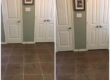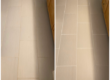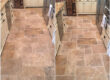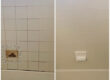
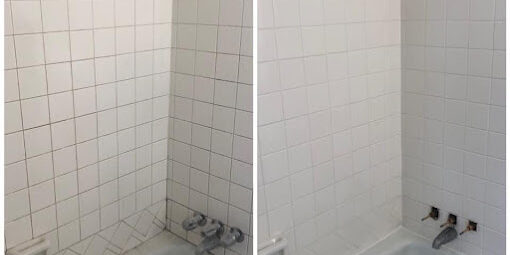
According to industry studies, more than half of tile complaints in homes are actually caused by failing grout rather than the tile itself. In showers, that number climbs even higher, because constant moisture, temperature changes, and everyday use all attack the grout lines first. The tile can still look beautiful, but if the grout is cracked, stained, or missing, water starts slipping behind the surface, quietly damaging the structure underneath. That is why understanding grout repair is not just about appearances; it is about protecting your shower, your bathroom, and ultimately your home.
Many homeowners in Dallas, Texas are surprised to learn that grout is not a permanent, maintenance-free material. It is a cement-based, porous filler designed to hold tiles in place and seal the gaps, but over time it absorbs water, soap residue, and even body oils. Without proper care or timely repair, grout gradually weakens, discolors, and can even crumble out of the joints. Professional services like Shower and Grout Works Dallas focus on restoring grout to a condition that not only looks new, but also resists future damage, extending the life of your tile surfaces dramatically.
Long-lasting grout repair is a combination of science, technique, and product selection. It is not simply smearing new material into old cracks. When done correctly, it involves diagnosing the root cause, removing compromised grout, selecting the right replacement materials, and then sealing and finishing the surface so it can withstand years of use. Understanding these steps empowers homeowners to make smarter decisions, know when to call in experts, and avoid quick fixes that fail within months. For Dallas-area showers, where humidity and temperature swings are common, getting grout repair right the first time is essential.
Why Grout Fails Over Time
Grout may look solid and stone-like, but it is actually full of tiny pores and micro-cracks. In a shower, those pores soak up water daily. When the water evaporates, it leaves behind minerals from hard water, soap scum, and sometimes even mold spores. Over years, this constant cycle slowly degrades the grout. In Dallas, where many homes experience relatively hard water, the mineral buildup is especially aggressive, accelerating the breakdown and discoloration of grout lines.
Movement in the structure is another major reason grout fails. Houses settle, wood framing expands and contracts, and even temperature changes from hot showers can cause tiles to shift slightly. Grout is rigid; it is not designed to flex. When the underlying structure moves, the grout can crack or pull away from the tile edges. This is why you often see hairline cracks along corners, around niches, or where the shower floor meets the wall. These small cracks may seem harmless, but they become channels for water to get behind the tile.
Poor installation practices also play a role in premature grout failure. If the original installer mixed the grout with too much water, did not pack the joints fully, or skipped proper curing times, the grout can be weak from day one. In some older Dallas homes, grout was never sealed at all, leaving it exposed to years of moisture and staining. By the time a homeowner notices dark, crumbling lines, the grout’s structural integrity is often compromised, and simple cleaning is no longer enough. At this point, thoughtful repair is the only way to restore performance.
Signs Your Grout Needs Repair
One of the earliest signs that grout needs attention is persistent discoloration that does not improve with regular cleaning. When grout stays dark, blotchy, or yellowed even after thorough scrubbing, it often means stains have penetrated deep into the material. In a shower, this can also indicate mildew or mold growing within the pores. While surface mold can sometimes be cleaned, deeply embedded growth usually points to grout that is saturated and starting to fail internally.
Cracks are another key indicator. Hairline cracks along grout lines, especially in high-stress areas like shower corners or along the floor, may seem cosmetic, but they allow water to seep below the tile surface. Over time, this can lead to loose tiles, soft spots in the floor, or deteriorating backer board. If you tap on tiles and hear a hollow sound, or if tiles wobble slightly underfoot, it is often a sign that water has already compromised the setting bed beneath them. Addressing the failing grout promptly can prevent much more extensive repairs later.
Missing or eroded grout is a clear sign that repair is overdue. You might notice gaps where grout has worn away completely, or powdery residue where the grout crumbles when touched. In showers around Dallas, this is common near drains, on shower floors, or along heavily used sections of the wall. When grout is missing, water travels freely behind the tile and can reach the framing or subfloor. Ignoring these gaps can turn a straightforward grout repair into a full shower rebuild, which is far more costly and disruptive.
DIY Patch Jobs vs. Professional Repair
When homeowners first notice grout problems, the temptation is to pick up a tube of grout or caulk from the hardware store and try a quick fix. While small, isolated issues can sometimes be handled DIY, many patch jobs fail because they do not address the underlying cause. Simply smearing new grout or caulk over cracked or moldy joints traps moisture inside and creates a surface that looks better briefly but begins failing again in a short time. This can be especially true in heavily used Dallas showers, where moisture exposure is daily and intense.
Another challenge with DIY grout repair is material selection. There are sanded and unsanded grouts, epoxy grouts, color-matched caulks, and sealers with very different performance characteristics. Choosing the wrong type can cause adhesion issues, cracking, or premature staining. For example, using a rigid grout where a flexible caulk is needed (like at plane changes and corners) can lead to repeated cracking. On the other hand, using caulk where grout is required can result in a soft, unattractive joint that attracts dirt and peels away over time.
Professional services like Shower and Grout Works Dallas bring specialized tools, experience, and product knowledge to the job. Technicians know how to remove damaged grout without cracking tiles, identify moisture issues behind the surface, and select materials that are compatible with your specific tile and use conditions. They also understand regional factors, such as Dallas humidity levels and common construction methods, which influence how grout should be repaired and sealed. The result is a repair that not only looks seamless but also holds up for years, rather than months.
The Professional Grout Repair Process
Effective grout repair begins with a thorough inspection. A trained technician will examine the shower or tiled area, looking for visible cracks, discoloration, and missing grout, but also for subtle signs of underlying moisture problems. They may test suspect areas for softness, check for loose tiles, and evaluate the condition of the caulk in corners and along transitions. This diagnostic step is crucial because it determines whether the issue is limited to surface grout or if there is deeper damage that must be addressed.
Once the scope is clear, the next step is removing the damaged grout. This is a delicate process that typically involves specialized oscillating tools with grout removal blades, or carbide-tipped hand tools for more precise work. The goal is to remove enough of the old grout to expose clean, solid joints without chipping or cracking the edges of the tiles. In many Dallas homes, especially those with older ceramic or natural stone tiles, careful technique is vital to preserving the existing tile installation while fully clearing the compromised grout.
After the joints are cleaned and vacuumed free of dust and debris, new grout is mixed according to manufacturer specifications. The choice between sanded, unsanded, or epoxy grout depends on factors like joint width, tile type, and exposure to moisture and chemicals. The fresh grout is then packed firmly into the joints, ensuring full contact and eliminating voids where water could collect. Finally, once the grout has set properly, the area is cleaned and, after the appropriate curing time, sealed with a high-quality sealer. In a high-moisture environment like a shower, this sealing step is essential for long-term durability.
Sealing and Maintenance for Longevity
Even the best grout repair will not last if the grout is left unsealed in a wet environment. Grout sealers are designed to penetrate the porous surface and create a barrier that resists water, oils, and stains. For Dallas showers that are used daily, a penetrating sealer is usually recommended, as it does not create a shiny film but instead protects from within. Professional-grade sealers can dramatically slow down the rate at which grout absorbs moisture, helping preserve its strength and color over time.
Routine maintenance is the second half of the longevity equation. Regularly cleaning shower walls and floors with a pH-neutral cleaner helps prevent soap scum and mineral buildup that can attack the grout surface. Avoiding harsh acids or abrasive powders is important, because while they may remove stains quickly, they can also erode the grout and strip away sealer. Many Dallas homeowners find that a simple weekly wipe-down and proper ventilation after showers greatly reduces the moisture load on the grout, keeping it drier and less hospitable to mold and mildew.
Periodic inspections are also wise. Checking grout lines every few months for new cracks, dark spots, or soft areas allows you to catch issues while they are still small. If you see early warning signs, scheduling a professional evaluation with a company like Shower and Grout Works Dallas can prevent minor problems from escalating. When repairs are paired with consistent cleaning and timely resealing, grout can remain strong and attractive for many years, even in demanding shower environments.
Why Local Expertise Matters in Dallas
Grout repair is not the same in every region. Climate, common construction practices, and even local water conditions all influence how grout behaves and fails. In Dallas, Texas, the combination of hot summers, air-conditioned interiors, and relatively hard water creates a unique set of stresses on shower grout. Expansion and contraction cycles can be more pronounced, and mineral deposits from water can accumulate faster, particularly in busy households. Local expertise plays a crucial role in choosing the right products and methods to stand up to these conditions.
Experienced local professionals understand the typical tile substrates, backer boards, and waterproofing methods used in Dallas homes. This knowledge helps them diagnose whether grout issues are purely surface-level or a symptom of deeper waterproofing problems. For example, recurring grout cracks in the same area may indicate movement in the framing or a problem with the shower pan. Addressing only the visible grout without considering these local construction patterns can lead to repeated failures.
Working with a specialized company like Shower and Grout Works Dallas means your grout repair plan is tailored to the realities of Dallas living. From selecting sealers that perform well in local humidity levels to advising on appropriate cleaning routines for the region’s water chemistry, local professionals offer insights that generic DIY advice often overlooks. This combination of technical skill and regional understanding is what turns a basic grout repair into a long-lasting investment in your home.
Frequently Asked Questions
How do I know if my shower needs grout repair or just cleaning? If your grout is only surface-dirty, a thorough cleaning with a pH-neutral cleaner may restore its appearance. However, if the grout remains dark, blotchy, or yellowed after cleaning, or if you see cracks, gaps, or powdery areas, it likely needs repair. In Dallas showers, persistent discoloration, mold in the joints, or any missing grout are strong signs that simple cleaning is no longer enough and professional evaluation is recommended.
Can I just re-grout over the old grout? Applying new grout directly over old, damaged grout is rarely a long-term solution. The new layer may not bond properly to weak or contaminated material beneath it, leading to peeling or cracking within a short time. Proper grout repair usually involves removing most of the existing grout in the affected joints down to a solid base, then installing new grout. This ensures strong adhesion, consistent color, and better resistance to moisture in high-use areas like showers.
How long does professional grout repair typically last? When done correctly and paired with regular maintenance, professional grout repair in a shower can last many years. Factors that affect longevity include the type of grout and sealer used, how often the shower is used, ventilation, and cleaning habits. In Dallas, where showers can see heavy daily use, homeowners who keep up with gentle cleaning and periodic resealing often enjoy grout that stays strong and attractive far longer than quick DIY patch jobs.
Is sealing grout really necessary in a shower? Yes, sealing is extremely important for shower grout, especially in a climate like Dallas where humidity and temperature shifts are common. Unsealed grout absorbs water, soap, and body oils quickly, which leads to staining, weakening, and potential mold growth. A quality penetrating sealer greatly reduces absorption, making the grout more resistant to damage and easier to keep clean. Skipping the sealing step often results in grout that deteriorates much faster than it should.
What can I do to keep my newly repaired grout looking good? After professional repair, use a gentle, pH-neutral cleaner on your shower instead of harsh chemicals or abrasives. Rinse surfaces after use when possible, and use ventilation fans or open windows to help the area dry out. Periodically inspect grout lines for early signs of cracking or discoloration so you can address small issues quickly. Many Dallas homeowners also schedule occasional professional maintenance or cleaning services, such as Grout Cleaning, to keep their showers in top condition and protect the investment they have made in grout repair.