
If your shower grout looks darker, your caulk lines are failing, or you see early signs of mold and mildew, the fix is usually more than “cleaning harder.” This guide walks you through what water damage tends to look like in Dallas-area bathrooms and how to choose a practical restoration path for tile, grout, and shower waterproofing.
After a few months of hot showers, you notice it: the grout lines in your shower are turning dull, the caulk around the edges looks tired, and there is a musty smell that comes and goes. You might be wondering whether it is just surface grime or whether water is getting behind the tile.
In Dallas, TX, bathrooms see steady daily moisture, and older shower surrounds can be more vulnerable to cracked grout, failing silicone replacement, and trapped water. This guide helps you identify what you are actually dealing with, what to check first, and which shower restoration steps typically make the biggest difference for bathroom tile restoration.
- Quick answer
- What to check first
- Main things customers should understand
- Why this matters in Dallas, TX
- Common mistakes to avoid
- Customer checklist
- Frequently asked questions
Quick Answer
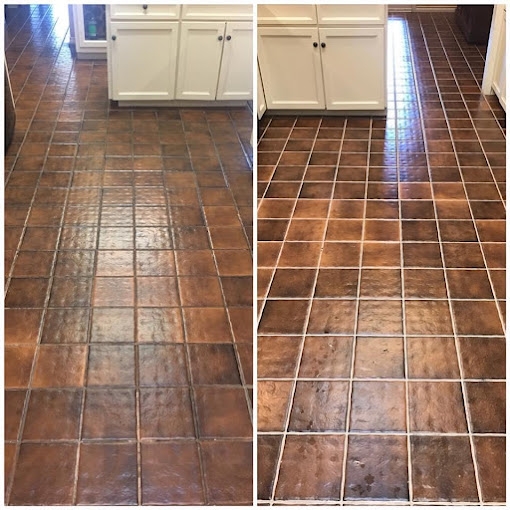
For shower water damage, start by separating “cosmetic discoloration” from “active moisture problems.” If grout lines are stained but still solid, deep tile cleaning and shower regrouting or recaulking may be enough. If caulk is pulling away, grout is cracking, tiles feel loose, or you see mold and mildew in the seams, focus on grout line repair or grout line replacement plus proper silicone replacement and shower tile sealing. A practical next step is to inspect the joints and edges carefully, then choose restoration work that matches what is actually failing, not just what looks dirty.
What to Check First
Before you buy cleaners or start scrubbing, look for clues that point to water getting into joints and seams. In a shower, small failures at the edges often create bigger problems over time, especially where water repeatedly hits the tub surround, shower glass restoration areas, and the shower pan.
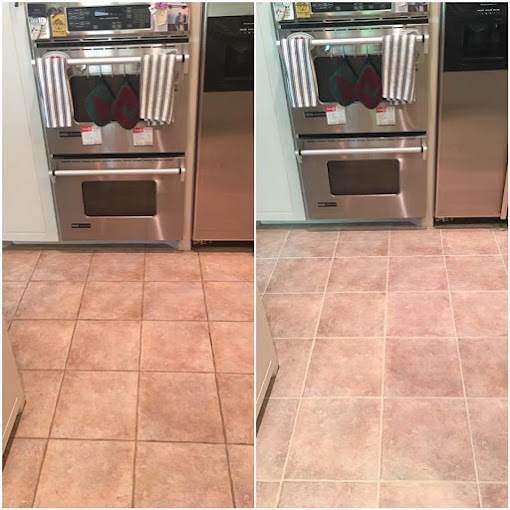
Professional observation: If the discoloration is concentrated along grout lines, corners, and the edges of the shower, the cause is often moisture behavior in the seams rather than only everyday dirt.
Here is what to check during a quick inspection:
- Caulk lines and corners: Look for separation, gaps, softness, or peeling where silicone replacement would normally be needed.
- Grout condition: Check for cracking, missing spots, or grout that crumbles when lightly probed.
- Tile stability: Tap gently to spot loose tile repair needs, especially near the shower pan.
- Efflorescence and haze: White residue or persistent grout haze removal issues can suggest mineral buildup from repeated moisture exposure.
- Visible mold and mildew: Concentration in joints is a common sign that cleaning alone may not be enough.
Surface staining
If stains are mostly on top and grout is intact, deep tile cleaning or stone cleaning may address appearance.
Seam failure
If caulk or grout lines are cracked or pulling away, recaulking, regrouting, and sealing typically matter more.
Water intrusion risk
If tiles feel loose or dampness persists, prioritize crack repair, grout line repair, and waterproofing services planning.
Main Things Customers Should Understand
Shower restorations often blend appearance work with moisture control. When water damage starts, the first visible signs are usually in the tile and grout system, not the tile face itself. That is why the right restoration plan depends on the type of damage you see.
When you are deciding between tile cleaning, grout repair, and replacement options, these factors usually guide the best outcome:
What “restoration” usually means: addressing the grout line repair or grout line replacement needs, then sealing where appropriate, so the shower can handle regular moisture without re-staining as quickly.
1) Grout and caulk determine how water behaves
In many Dallas-area bathrooms, grout lines and silicone joints are the first places where water can travel. Recaulking and regrouting can reduce new moisture migration, while shower tile sealing and tile and grout color sealing can improve long-term look and cleanability.
2) Mineral buildup can mimic “black mold”
Hard water stain removal and mineral deposits can darken grout and create stubborn discoloration. In some cases, grout haze removal requires the right approach so you are not just spreading residue around.
3) Tile replacement is sometimes a targeted decision
If you have localized loose tile repair areas, crack repair needs, or damaged sections in high-wet zones, tile replacement may be limited to the affected areas. That can be more practical than redoing everything, depending on what the inspection shows.
4) Natural stone needs careful handling
If your shower includes travertine cleaning, marble polishing, limestone cleaning, slate cleaning, or natural stone restoration, the cleaning and sealing approach matters. Penetrating sealer application and other sealing methods can be part of the restoration plan, but the surface condition and product compatibility are key.
5) Glass and fixtures can trap residue
Shower glass restoration and cleaning around hardware often reveal where water is spotting and where residue is building. Cleaning-only attempts can fall short if joints are failing, but restoration work can improve the overall shower environment.
Why This Matters in Dallas, TX
Dallas, TX showers see constant use, and humid conditions can make it easier for mold and mildew to take hold in grout lines and silicone replacement areas if moisture is getting behind the seams. Many older tile and grout installations in the area also show wear patterns that track the flow of water during daily showers.
One firsthand-style pattern we often see in Dallas-area bathrooms is this: the shower looks “mostly fine” until you get close to the edges. Then you notice darker grout at corners, failing caulk at the tub surround, and a gradual buildup of haze. That is why restorations typically focus on bathroom tile restoration where water actually travels, followed by sealing steps that help the surface stay cleaner between cleanings.
| What you notice | Most likely restoration focus | What to ask about |
|---|---|---|
| Dark grout lines with intact joints | Deep tile cleaning and grout color restoration | Deep tile cleaning approach and grout haze removal plan |
| Cracked grout or missing grout in seams | Shower regrouting and grout line repair or grout line replacement | Regrouting steps and sealing after restoration |
| Caulk pulling away or gaps at edges | Recaulking and silicone replacement | Where silicone replacement is needed most |
| Stains that keep returning in the same spots | Sealing and color seal application planning | Tile and grout color sealing and shower tile sealing |
| Mineral residue or white buildup | Efflorescence removal and targeted cleaning | How mineral buildup is handled before sealing |
Want a practical plan for your shower restoration?
If you are trying to decide whether you need tile cleaning, shower regrouting, silicone replacement, or sealing, Grout Works Dallas can help you match the work to what is failing in your shower.
Contact Grout Works DallasCommon Mistakes to Avoid
It is easy to treat shower problems like they are purely cosmetic, especially when the discoloration looks dramatic. The issue is that some cleaning steps do not address the underlying seam failures that keep feeding water damage.
- Scrubbing over failing caulk: If silicone replacement is needed, cleaning alone can temporarily improve the look without stopping moisture movement.
- Ignoring loose tile repair signs: A loose section can worsen if water continues to reach movement points. Crack repair and stabilization steps may be required.
- Using the wrong products on stone: Travertine cleaning, marble polishing, limestone cleaning, slate cleaning, and natural stone restoration often require careful product selection so you do not create new issues.
- Sealing over the wrong condition: Sealing steps like penetrating sealer application or color seal application are most effective when the grout haze removal, efflorescence removal, and cleaning are handled first.
- Replacing everything when only seams are failing: Many bathroom tile restoration projects can focus on grout line repair, grout line replacement, and recaulking where the damage actually is.
Customer Checklist
Use this checklist as you prepare to talk with a shower restoration specialist or when you are documenting what you see in your Dallas, TX bathroom. It helps you describe the issue clearly and choose the right next steps.

- Identify where the discoloration is strongest (corners, edges, near the shower pan, around the tub surround).
- Check caulk lines for gaps, separation, peeling, or softness (silicone replacement may be needed).
- Inspect grout for cracking, missing sections, and crumbling along grout lines.
- Test for loose tile repair by gently tapping tiles in affected areas.
- Look for mineral residue, grout haze, or efflorescence that suggests hard water stain removal needs.
- Note any mold and mildew growth in seams, not just on the tile face.
- Decide whether your goal is appearance only or appearance plus moisture control (sealing and waterproofing services planning).
A representative shower restoration scenario (Dallas, TX)
A homeowner in Dallas, TX noticed dark grout lines between shower tiles and failing caulk where the shower walls met the tub surround. After a close look, the grout had visible cracking near the edges and the caulk felt separated in a few spots. They also saw a recurring haze that did not improve after routine cleaning.
The restoration plan focused on the areas where water was most likely traveling: grout line repair and grout line replacement at the cracked joints, silicone replacement along the failing edges, and shower tile sealing afterward. Instead of treating the shower as a “cleaning problem only,” the work addressed the seam failures that were driving the return of discoloration.
Frequently Asked Questions
Can grout cleaning fix water damage in a shower?
Sometimes, but it depends on what is failing. If the grout is intact and the issue is mainly discoloration, deep tile cleaning and grout color restoration may significantly improve the look. If you see cracked grout, missing sections, or grime that returns quickly in the same lines, that usually points to grout line repair or grout line replacement plus sealing. The best approach is to inspect the joints first, because water damage often starts in seams, not on the tile surface.
When should I consider recaulking or silicone replacement?
Recaulking is typically the right next step when caulk lines show separation, gaps, peeling, or softness, especially along the tub surround, corners, and where the shower meets walls. If you are seeing mold and mildew concentrated in those edges, silicone replacement can help reduce moisture movement. Cleaning can make it look better temporarily, but if the caulk bond is failing, the shower can keep letting water into the seam system. Inspecting the edges closely is the fastest way to decide.
What causes grout haze and mineral stains in Dallas showers?
Hard water and mineral residue can create persistent buildup that darkens grout and makes tile look dull, even after normal cleaning. This can also show up as grout haze or a white residue that resembles efflorescence. A restoration plan often includes targeted cleaning first, followed by sealing steps like shower tile sealing or tile and grout color sealing, depending on the surface. If stains keep returning in the same spots, it is a sign you may need moisture-control work, not just scrubbing.
Do I need tile replacement for shower restorations?
Not always. Many shower restorations focus on grout line repair, grout line replacement, recaulk work, and sealing where needed. Tile replacement may be limited to damaged or loose tile repair areas, or sections with cracks that cannot be stabilized. A careful inspection helps determine whether the tile and surrounding system can remain in place while the joints and waterproofing-related components are restored.
Can natural stone (like travertine or marble) be restored in a shower?
Yes, but it requires the right approach. Natural stone restoration can include travertine cleaning, marble polishing, limestone cleaning, slate cleaning, and appropriate sealing steps. Penetrating sealer application and other sealing methods may be part of the plan, but the surface condition and prior residue matter. The goal is to clean and restore without damaging the stone finish, then help the stone resist water and staining in a shower environment.
Ready to restore your shower in Dallas, TX?
Grout Works Dallas handles tile cleaning, tile repair, shower regrouting, caulking services, recaulking, and sealing-focused restoration for bathroom tile restoration needs across Dallas, TX & surrounding areas.
(972) 841-3495
About Grout Works Dallas
Grout Works Dallas provides grout and tile restoration services for showers and bathrooms in Dallas, TX & surrounding areas. Their focus is on practical bathroom tile restoration, including tile cleaning, grout repair, grout line replacement, caulking services, shower regrouting, silicone replacement, and sealing-related help such as shower tile sealing and natural stone restoration. If you are dealing with shower discoloration, mold and mildew in seams, hard water stain issues, or cracked grout lines, they can help you choose a restoration approach that matches the condition you are seeing.
You can explore related services like tile cleaning in Dallas, Texas, grout repair in Dallas, and shower renovation services in Dallas.