Most homeowners in Dallas don’t skip grout sealing because they are lazy; they skip it because they think it’s optional. They assume that once the tile is installed and the grout dries, the job is done and the surface is permanently protected. Then a few months pass, the shower darkens, stains appear around the edges, and scrubbing gets harder every week. The problem isn’t that the tile is low quality or that you aren’t cleaning enough. The problem is unsealed or poorly sealed grout silently soaking up water, soap, and grime like a sponge.
Grout sealing is not decorative, and it’s not an “extra” upsell. It is the barrier that keeps your grout from turning into a breeding ground for mold and mildew. Without a proper seal, every shower, mop, and spill drives moisture and contaminants deeper into the joints between your tiles. Over time, that leads to discoloration, crumbling grout lines, and even loose tiles. Shower and Grout Works Dallas sees this every week in homes across Dallas, Texas: beautiful, expensive tile installations ruined early simply because the grout was never sealed correctly or maintained on a proper schedule.
When you understand what grout really is and why it behaves the way it does, grout sealing stops feeling like a mystery and starts looking like the obvious way to keep your tile surfaces pristine. Whether you have a walk-in shower in Uptown, a busy kitchen in Plano, or a tiled entry in Frisco, the same truth applies: grout is vulnerable, and sealing is its first line of defense.
Why Grout Needs Protection
Grout looks solid, but it is actually highly porous. Those tiny pores are invisible to the naked eye, yet they act like little channels that suck in water, body oils, soap scum, and dirt. In a Dallas shower, where humidity and frequent use are the norm, this constant absorption quickly stains the grout and keeps it damp beneath the surface. Damp, contaminated grout is exactly what mold spores and mildew love, which is why you can scrub and scrub and still see dark lines returning within days.
Even in less humid areas of the home, like kitchen backsplashes or tiled floors, unsealed grout is constantly under attack. In kitchens, food splatter, grease, and colored liquids seep into the grout and leave permanent stains. On floors, tracked-in dirt and grit grind into the grout lines, wearing them down and roughening the surface so they collect even more grime. Shower and Grout Works Dallas often finds that the dirtiest grout in a home is in the “high traffic but rarely noticed” zones, like entryways or around kitchen islands.
Another issue is that many people assume the tile itself provides enough protection. Porcelain and ceramic tiles are typically dense and relatively resistant to stains, but the grout between them is not. Those narrow grout lines may represent only a small percentage of the surface area, yet they are the weak link that controls how clean and fresh the entire tiled area looks. When grout darkens or deteriorates, the whole shower or floor appears dingy, no matter how glossy the tile remains.
Without sealing, grout also breaks down faster. Constant moisture and buildup slowly erode the binding agents in grout, leading to hairline cracks, crumbling, and gaps. Over time, that allows even more water to slip behind tiles, potentially causing loose tiles, damaged backer board, and in showers, hidden water damage in the wall cavity. Grout sealing is not just about appearance; it is about preserving the structural integrity of your tiled surfaces for years longer.
What Proper Grout Sealing Actually Does
A quality grout sealer works like an invisible raincoat for each grout line. It penetrates the pores in the grout and either fills them or lines them with a protective barrier, depending on the type of sealer used. Once cured, this barrier resists the penetration of water, oils, and stains. That means moisture sits on the surface longer instead of immediately soaking in, giving you time to wipe it away and preventing deep, stubborn staining.
In showers across Dallas, this protection is crucial. Hard water, soap, shampoos, and body oils all combine to create a film that clings to grout. When the grout is sealed, this film stays mostly on the surface, making it easier to remove with gentle cleaning. When the grout is unsealed, that same film gets pulled deeper into the grout, so even aggressive scrubbing only reaches the top layer of the problem. This is why many homeowners feel like they are constantly fighting a losing battle against dingy grout.
Good sealing also simplifies regular maintenance. Sealed grout lines are smoother and less absorbent, which means dirt and soap scum have a harder time grabbing hold. You can usually clean sealed grout with milder cleaners and less scrubbing, which is better for the grout and for the surrounding tile. Shower and Grout Works Dallas frequently hears from customers who are surprised at how much less effort it takes to keep their shower or floor looking fresh once the grout has been professionally cleaned and sealed.
Another overlooked benefit of proper sealing is consistency. When grout is evenly sealed, it tends to age more uniformly, avoiding the patchy, blotchy appearance common with DIY sealing attempts. Professional technicians know how to select the right sealer for your tile and grout type, apply it evenly, and ensure it penetrates fully. This results in grout lines that not only resist stains but also maintain a more consistent color and appearance over time.
Types Of Grout Sealers Explained
Not all grout sealers are created equal, and choosing the wrong one can lead to disappointing results. The two main categories are penetrating (impregnating) sealers and topical (surface) sealers. Penetrating sealers soak into the grout’s pores and chemically bond within, creating a barrier from the inside out. These are typically the preferred choice for showers and wet areas in Dallas homes because they allow the grout to breathe while still repelling moisture and stains.
Topical sealers, by contrast, sit on the surface of the grout and form a film. They can provide a slight sheen and are sometimes used in low-moisture areas to enhance the appearance of the grout. However, in high-moisture environments like showers, topical sealers can sometimes peel, flake, or become slippery if they extend onto the tile surface. Shower and Grout Works Dallas generally recommends penetrating sealers for showers, tub surrounds, and frequently used bathroom floors because they offer long-lasting protection without changing the natural look or texture of the grout.
Within penetrating sealers, there are water-based and solvent-based formulas, as well as sealers designed specifically for standard cementitious grout versus epoxy or specialty grouts. Water-based sealers are often low-odor and more environmentally friendly, making them a good fit for occupied homes. Solvent-based sealers can offer deeper penetration in some cases but may require more careful handling and ventilation. The ideal product depends on your grout type, tile material, and how heavily the surface is used.
A professional company like Shower and Grout Works Dallas evaluates all of these variables before choosing a sealer. They consider whether your shower tile is porcelain, ceramic, or natural stone, whether your grout is sanded or unsanded, and how much daily wear and moisture it receives. This tailored approach helps ensure that the sealer bonds properly and delivers the maximum lifespan and protection, rather than a one-size-fits-all product that may fail early.
Professional Sealing vs DIY Efforts
Walk into any home improvement store in Dallas, and you will find shelves of grout sealers promising easy, one-coat protection. The reality is that while DIY sealing is possible, it often falls short because of surface preparation and application technique. If existing grout is not thoroughly cleaned, dried, and sometimes repaired before sealing, the sealer simply locks in stains and contaminants. This can make the grout look worse and complicate future restoration efforts.
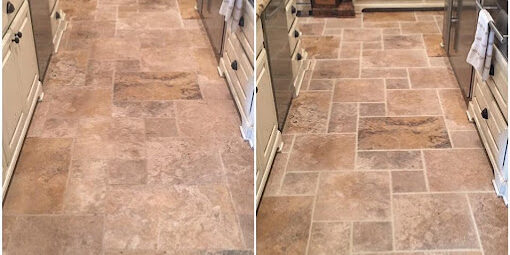
Professional grout sealing starts with a deep, targeted cleaning process. Technicians use specialized cleaners and equipment to remove embedded dirt, soap residue, and mildew from the grout lines. In some cases, they may perform minor repairs or re-grouting where the existing grout is severely damaged. Only after the grout is clean, sound, and dry is the sealer applied. This step-by-step process is one reason why professional results from Shower and Grout Works Dallas tend to last much longer than quick DIY applications.
Application itself is another area where experience matters. Too little sealer and the grout remains unprotected in spots; too much, and you end up with haze on the tile or a sticky residue that attracts dirt. Professionals know how long to let the sealer dwell, how many coats are necessary, and when to wipe away excess product. They also test the surface afterward to confirm that the grout is properly sealed, rather than guessing based on appearance alone.
There is also the question of time and disruption. Sealing grout in a shower or on a large floor takes patience and attention to detail. Many Dallas homeowners start a DIY sealing project only to rush through it when they realize how tedious it can be. A rushed job often leaves missed sections, uneven coverage, and early failure. Having a trained team handle the process allows you to avoid that frustration and gives you the confidence that your grout is truly protected from day one.
How Often To Seal Grout In Dallas
The climate in Dallas, Texas plays a major role in how often grout should be sealed. Hot summers, significant temperature swings, and heavy use of air conditioning create conditions where showers and bathrooms experience frequent cycles of heat and humidity. In most Dallas homes, shower grout should be professionally cleaned and resealed approximately every 1 to 2 years, depending on usage, ventilation, and cleaning habits.
High-use showers, such as those in busy family homes, may need attention closer to the one-year mark. Signs that your grout is due for resealing include darkening that doesn’t fully wash away, grout absorbing water rather than beading it, and persistent mildew growth despite regular cleaning. On the other hand, a rarely used guest bath might go longer between treatments, especially if the grout was sealed correctly from the start.
For kitchen floors, backsplashes, and other tiled surfaces, a 2- to 3-year sealing schedule is common, though heavy traffic or frequent spills can shorten that interval. Shower and Grout Works Dallas often recommends tying grout inspections to other home maintenance tasks, such as seasonal HVAC checks or gutter cleaning, so that grout sealing doesn’t slip off your radar until serious staining or damage appears.
A simple water test can give you a quick idea of your grout’s condition: place a few drops of water on a clean, dry grout line. If the water beads up on the surface for a few minutes, your sealer is likely still doing its job. If it soaks in quickly and darkens the grout, protection is wearing off. While this test isn’t perfect, it can help you decide when to call in professionals for a more thorough evaluation and potential resealing.
Daily Habits To Keep Tile Pristine
Even the best grout sealer is not a substitute for smart daily habits. Simple routines make a big difference in how long your grout stays clean and bright. In showers, using a squeegee on the walls and floor after each use can dramatically reduce the amount of water and soap residue that sits on the grout. This small habit slows down buildup and helps your sealer last longer by minimizing constant exposure to standing moisture.
Ventilation is another critical factor. Running the bathroom exhaust fan during and after showers helps remove excess humidity, allowing sealed grout to dry more quickly. If your bathroom does not have a strong fan, leaving the door open and using a portable fan for a short time can help. In Dallas homes with multiple occupants, this becomes especially important because showers may be used back-to-back, giving surfaces little time to dry.
When it comes to cleaning products, gentler is usually better for sealed grout. Harsh acids, bleach-heavy cleaners, or abrasive powders can wear away sealer prematurely and roughen grout surfaces. Instead, use pH-neutral cleaners designed for tile and grout, and follow manufacturer or professional recommendations. Shower and Grout Works Dallas often provides product guidance to clients so that they can maintain their newly sealed grout without accidentally stripping away protection.
For floors, placing mats at entry points and using felt pads under furniture can reduce grit and scratching that damage grout lines. Regular sweeping or vacuuming removes abrasive particles before they can be ground into the grout. Combined with periodic professional services such as Grout Cleaning, these everyday practices create a layered defense that keeps your tile and grout looking fresh much longer.
Frequently Asked Questions
How do I know if my grout was ever sealed? Many homeowners in Dallas move into a home with existing tile and have no idea whether the grout was sealed. One quick indicator is how the grout reacts to water. If a few drops of water soak in and darken the grout quickly, it is likely unsealed or the sealer has worn off. If the water beads on the surface for several minutes, there is probably still some protection in place. However, the most reliable way is to have a professional like Shower and Grout Works Dallas inspect the grout; they can identify signs of previous sealing, wear patterns, and areas that may have been missed.
Can sealing grout change its color or make it shiny? Most penetrating sealers used in showers and floors are designed to be invisible once cured. They do not change the color or sheen of the grout; the goal is protection without altering the appearance. There are “enhancing” sealers that can slightly deepen color or add a subtle richness, often used on natural stone or certain decorative installations. If you prefer no visual change at all, make sure to discuss this with your service provider so they select a truly natural-look sealer that keeps your grout looking the same, just better protected.
Is grout sealing safe for my family and pets? When applied correctly and allowed to cure, modern professional-grade sealers are safe for everyday living. Many water-based penetrating sealers have low odor and low VOC content, making them appropriate for occupied homes. During the application and curing period, technicians may recommend staying off the treated area for a specified time to ensure the sealer sets properly. Shower and Grout Works Dallas follows product guidelines and safety best practices, and can explain what to expect so you can plan around the brief downtime.
Why does my grout still look dirty after I clean it? If grout is unsealed or the sealer has worn off, dirt and stains penetrate below the surface. Regular cleaning only reaches the top layer, so discoloration returns quickly. In some cases, harsh cleaners used over time can actually etch or roughen the grout, making it hold onto grime even more. The solution is a professional deep cleaning to extract embedded contaminants, followed by proper sealing. Once the grout is restored and protected, routine cleaning becomes more effective and the clean appearance lasts much longer.
Can severely stained or damaged grout still be sealed? Severely stained or deteriorated grout often needs more than just sealing. In many Dallas homes, sections of grout are so damaged that they require re-grouting before sealing. Professionals can remove the worst areas of compromised grout, install new grout to match, and then seal the entire surface for uniform protection. If stains are deep but the grout is structurally sound, specialized cleaning techniques can often restore the appearance enough to make sealing worthwhile. An on-site evaluation from a company like Shower and Grout Works Dallas will determine the best course of action for your specific situation.