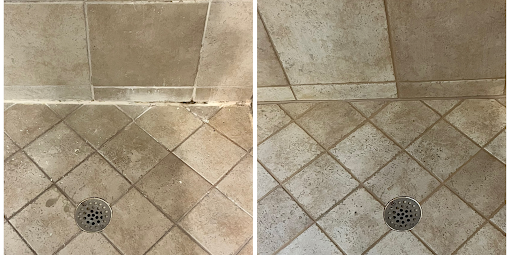
You notice it as you’re wiping up a spill: the tiles themselves still look pretty good, but the grout lines have turned into dingy, dark borders that no amount of quick mopping seems to fix. In the bathroom, the grout around the shower floor has gone from crisp and light to mottled gray, and in the kitchen it’s collecting stains that never quite disappear. The floor doesn’t feel “clean” anymore, no matter how often you run a mop over it. At that point, what you’re seeing isn’t a failure of your cleaning routine—it’s a sign that your grout needs more focused attention and the right techniques.
Grout is a porous material, which means it acts like a sponge. It soaks up moisture, soap residue, oils from bare feet, cooking splatters, and even minerals from Dallas, Texas tap water. Over time, this trapped buildup discolors the grout and can even weaken it. The good news is that with targeted grout cleaning techniques, you can dramatically revive the look of your tile floors and showers. When done properly, grout cleaning doesn’t just make the floor brighter; it restores the crisp lines that make tile surfaces look new, polished, and intentionally designed.
Whether you are dealing with a guest bathroom that has seen years of use, a kitchen floor that catches every drip and footprint, or a tiled shower that battles soap scum daily, understanding how grout really behaves is the first step toward stunning tile floors. Companies like Shower and Grout Works Dallas specialize in exactly this challenge, combining professional methods with the right products to transform worn-looking grout into a feature that enhances your entire space.
Why Grout Gets So Dirty
To clean grout effectively, it helps to understand what you’re up against. Grout is usually made from a mixture of cement, sand, and water, and in many cases it is left unsealed or the original sealer has worn off over time. In a city like Dallas, where dust, tracked-in dirt, and hard water are common, grout quickly absorbs whatever lands on it. Every time you walk across your tile floors, microscopic grit gets pushed into those grout channels, where it settles and bonds with the surface.
Bathrooms and showers face a different set of enemies. Warm water, steam, and soap create a perfect environment for soap scum, mildew, and even mold to develop in grout lines. The corners of a shower floor, for example, often stay damp long after the rest of the room has dried, giving organic materials time to grow. That’s why grout in showers can look pink, orange, or spotty black even if you clean the tiles regularly. Without targeted grout cleaning techniques, those stains become nearly impossible to remove with everyday products.
Typical household cleaning habits can unintentionally make things worse. Mopping with dirty water simply redistributes grime, pushing it deeper into grout lines. Using overly harsh chemicals can erode the grout surface, making it more porous and even faster to stain the next time. Understanding these dynamics is essential. It’s not that your floors are beyond saving—it’s that they need a different, more focused approach than what standard surface cleaning provides.
Preparing Your Floors For Deep Cleaning
Effective grout cleaning starts before you even touch the grout lines. Preparation ensures that when you apply a cleaner, it attacks the stains instead of fighting through layers of loose debris. Begin by thoroughly sweeping or vacuuming the tile floor. Pay attention to the edges and corners where dust and hair tend to collect. In bathrooms, a handheld vacuum or vacuum attachment helps capture debris lodged along the baseboards and around the toilet.
After dry debris is removed, do a light pre-clean of the tiles themselves. This can be as simple as a quick mop with warm water and a mild, pH-neutral floor cleaner. The goal here is not to scrub the grout yet, but to remove surface film from the tiles so your grout cleaner is not diluted by soap residue. For shower floors and walls, a brief rinse with warm water followed by wiping down with a microfiber cloth can remove loose soap scum and body oils before you get to the grout.
At this stage, it also helps to inspect the grout for damage. Look for cracks, missing sections, or areas that feel crumbly when you lightly press them. Severely damaged grout may not respond well to aggressive scrubbing and might need repair or replacement. Professionals like Shower and Grout Works Dallas often start their service with this type of evaluation, because cleaning and restoration go hand in hand. If your grout is structurally compromised, cleaning alone won’t deliver the lasting, stunning appearance you’re aiming for.
DIY Grout Cleaning Methods That Work
Many homeowners in Dallas prefer to start with DIY grout cleaning techniques before calling in a professional. When done correctly, these methods can significantly brighten lightly stained grout and maintain the look of professionally cleaned floors. One of the most important principles is choosing the right cleaner. For most tile and grout types, a pH-neutral or slightly alkaline cleaner is safer than highly acidic products, which can etch certain tiles and degrade grout over time.
A common DIY approach involves using a specially formulated grout cleaner or a mild alkaline cleaner designed for tile. Apply the cleaner directly to the grout lines, allowing it to dwell for several minutes so it can penetrate the pores and break down embedded soil. During this dwell time, make sure the area stays wet; if the cleaner dries on the grout, it can leave a residue and reduce its effectiveness. This simple step—allowing the product to work before scrubbing—often makes the difference between mediocre and impressive results.
When it comes to tools, avoid metal brushes that can scratch tile or tear grout. Instead, opt for a stiff nylon grout brush or an old toothbrush for tight areas. Scrub in small sections, focusing on the linear path of the grout. Wipe away loosened soil with a damp cloth or sponge before it has a chance to settle back into the lines. After cleaning, rinse the entire area thoroughly with clean water to remove cleaner residue. For large floors, working in sections and changing the rinse water frequently keeps you from spreading dirty water across freshly cleaned grout.
For homeowners tempted by homemade mixtures like vinegar and baking soda, caution is important. While these can sometimes lift surface stains, vinegar is acidic and can damage certain types of grout and natural stone tiles over time. In Dallas homes that feature travertine, marble, or other natural stone, acidic DIY solutions can cause etching that is costly to fix. When in doubt, test any cleaner in an inconspicuous area first, or consult with a professional before using it on the entire floor.
Professional Deep Cleaning And Steam Techniques
There comes a point where manual scrubbing and consumer-grade products simply can’t reach the deeply embedded soils, oils, and residues locked in grout. This is where professional grout cleaning services, such as those offered by Shower and Grout Works Dallas, become invaluable. Professionals use commercial-grade alkaline cleaners and specialized equipment that deliver more power and consistency than typical household tools, without compromising the integrity of your tile or grout.
One advanced technique involves the use of high-pressure, hot water extraction systems designed for tile and grout. After applying a powerful, yet carefully selected, cleaning solution, technicians use equipment that directs hot water and controlled pressure directly into the grout lines. The combination of heat and pressure helps break down stubborn grime and lift it from the grout’s pores. At the same time, a strong vacuum immediately extracts the dirty water, preventing it from resettling on the floor.
Steam cleaning is another method that can be highly effective for certain grout and tile combinations, especially in showers where soap scum and mildew are common. Professional-grade steam cleaners emit high-temperature steam that loosens organic buildup and kills many types of microorganisms. When handled by experienced technicians, steam can clean grout deeply without saturating the substrate with excess moisture. This is particularly important in areas like shower floors and walls, where too much water can seep behind tiles and cause long-term damage.
Professional services also bring expertise in product selection and technique. Not all grout is the same—there are sanded and unsanded varieties, epoxy grouts, and different colorants. An experienced team understands which cleaning solutions and methods are compatible with each type. In Dallas, where homes range from newer builds with modern porcelain tile to older properties with delicate natural stone, this knowledge prevents costly mistakes and ensures that deep cleaning truly enhances, rather than harms, your surfaces.
Restoring Color And Sealing For Lasting Beauty
Once grout is deep cleaned, many homeowners are surprised to discover that some discoloration is actually due to permanent staining or wear. In high-traffic areas or older installations, grout can lose its original color or become uneven in appearance. This is where grout color sealing or recoloring comes into play. After a thorough cleaning, a tinted sealer can be applied to the grout lines, restoring a uniform color and creating a fresh, updated look that often makes the entire floor appear newly installed.
Color sealing is more than just cosmetic. The sealer penetrates and coats the grout, reducing its porosity and creating a barrier against future stains. Spills, dirt, and moisture sit more on the surface rather than soaking in, making routine cleaning much easier. This is especially valuable in busy Dallas kitchens, where spills from coffee, wine, sauces, and oils can quickly stain unprotected grout. A well-applied color sealer can dramatically extend the life of your grout and keep your tile floors looking consistently sharp.
Even if you prefer to keep your original grout color, clear sealing is an important step after any significant cleaning effort. Clear sealers are designed to protect the grout without altering its appearance. Professional companies like Shower and Grout Works Dallas typically recommend sealing as part of a complete grout restoration service. Skipping sealing is like washing your car thoroughly and then driving through a construction site with the windows down—it undoes your hard work much faster than you expect.
Another advantage of professional sealing is the evenness of application. Uneven or sloppy sealing can leave shiny patches, dull spots, or areas that remain vulnerable to stains. Trained technicians apply sealers with careful attention to coverage, wipe off excess before it dries, and test the surface to confirm that the grout is properly protected. This level of precision helps ensure that your stunning tile floors stay that way, not just for weeks, but for years.
Daily Habits To Keep Grout Looking New
After investing the time, effort, or professional help to get your grout truly clean, daily and weekly habits make a huge difference in how long the results last. The first habit is simple: dry the area when possible. In showers, using a squeegee on the walls and floor after each use removes much of the water and soap residue that would otherwise settle into grout lines. In bathrooms and kitchens, promptly wiping up spills before they have time to soak in reduces staining dramatically.
The second habit involves choosing the right maintenance cleaners. For sealed grout and tile, a pH-neutral cleaner is usually ideal for routine mopping or wiping. Strong, harsh chemicals can wear down sealers and grout over time, reversing the protection you’ve put in place. In Dallas homes where tile floors are heavily used, setting a schedule—such as a quick mop once or twice a week and a more detailed cleaning once a month—helps prevent buildup from ever reaching the point of deep staining.
Additionally, consider how you manage dust and dirt entering your home. Doormats at entryways, regular vacuuming, and asking family members to remove shoes indoors can all reduce the amount of grit that ends up on your tile floors. Less grit means less abrasion on the grout surface and fewer particles getting ground into the lines. These small, consistent actions support the work of a professional cleaning and sealing service, making it easier to maintain that “just restored” look.
Finally, pay attention to early warning signs. If you notice certain areas of grout starting to darken or look patchy, address them promptly rather than waiting until the entire floor looks dull. Spot cleaning and occasional touch-ups with appropriate products can keep minor issues from becoming major projects. When you combine smart daily habits with professional services like those from Shower and Grout Works Dallas, your grout becomes an asset to your décor rather than a constant source of frustration.
Frequently Asked Questions
How often should grout be professionally cleaned? The ideal frequency depends on traffic, usage, and whether your grout is sealed. In a busy Dallas kitchen or main bathroom, many homeowners benefit from professional grout cleaning every 12 to 18 months. Lower-traffic areas may only need deep cleaning every few years. If you notice persistent discoloration, odors, or mildew that doesn’t respond to your normal cleaning routine, that’s a clear sign that it’s time to schedule a professional service.
Is it safe to use bleach on grout? While diluted bleach can sometimes lighten surface stains, it’s not always the safest or most effective option. Bleach can weaken grout over time, especially if used frequently, and it may damage surrounding materials like certain metals or natural stone tiles. It also does little to remove embedded dirt and oils; it mainly lightens the color of stains. For most grout, especially in showers and on floors, targeted grout cleaners and professional methods are safer and more thorough than repeated bleach applications.
What is the difference between clear sealing and color sealing? Clear sealing protects grout while maintaining its existing color and appearance. It penetrates the grout and creates a barrier against moisture and stains without changing how it looks. Color sealing, on the other hand, adds a tinted layer that restores or changes the grout color while also sealing it. This can be useful if your grout is permanently discolored or if you want a new look without replacing the tile. Both methods enhance stain resistance, but color sealing also provides a cosmetic refresh that can make older tile installations look updated.
Can I seal the grout myself after cleaning? DIY grout sealing is possible, but it requires careful preparation and application. The grout must be thoroughly cleaned and completely dry before sealing, which can take 24 to 48 hours depending on conditions. Applying too much sealer or failing to wipe excess from the tile can leave streaks and residue. Uneven coverage may leave some areas unprotected. Many Dallas homeowners choose to have professionals like Shower and Grout Works Dallas handle sealing because they have the experience and tools to ensure even coverage and long-lasting results.
Will grout cleaning and sealing help in a brand-new home? Absolutely. Even in new construction, grout is often left unsealed or only lightly protected. Early sealing after a careful clean can prevent the first stains from ever taking hold, making routine maintenance much easier. If you’re moving into a new home in Dallas, consider scheduling a professional grout assessment and sealing service to protect your investment from day one. You can learn more about options like Grout Sealing for New Homes, which are designed specifically to keep new tile installations looking pristine for years to come.