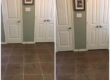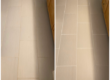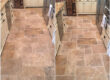

When you step into your shower or across your kitchen floor, do your eyes go straight to the dark, dingy grout lines instead of the tile you once loved? Those gray, stained joints between tiles can make an otherwise beautiful space look old, unsanitary, and neglected. Grout cleaning is one of those chores that most Dallas homeowners put off, partly because it feels overwhelming and partly because scrubbing for hours often seems to change very little. Yet, with the right approach, it’s possible to revamp your grimy tile grout and completely transform the look of your shower, floors, and countertops.
Grout is porous, which means it absorbs moisture, soap scum, body oils, dirt, and even minerals from Dallas, Texas water. Over time, this mixture settles deep into the grout lines, creating stubborn discoloration that regular mopping or quick spray-and-wipe products simply can’t touch. That’s when your grout starts to look permanently stained, and many people assume replacement is the only option. In reality, professional grout cleaning and restoration can bring those lines back to life, often making tiled surfaces look nearly new again at a fraction of the cost of re-tiling.
Shower and Grout Works Dallas has seen this transformation happen every day in bathrooms, kitchens, and entryways across the Dallas area. When grout is properly cleaned, repaired where needed, and sealed, it not only looks dramatically better, it also becomes easier to maintain and more resistant to future staining. Whether you’re battling moldy shower grout, grimy kitchen floors, or discolored grout around your countertops, understanding the process and options available will help you make smart decisions about how to restore your tile surfaces.
Why Grout Gets So Grimy
To understand why grout cleaning is so challenging, it helps to know what grout actually is. Grout is a cement-based material mixed with water and sometimes sand, designed to fill the spaces between tiles and keep them locked in place. Because it’s not a smooth, sealed surface like tile, grout behaves like a sponge. It soaks up anything that lands on it, from soapy shower water and shampoo residue to cooking oils, tracked-in soil, and pet messes. In a humid climate and busy households like many in Dallas, Texas, that porous nature becomes a magnet for grime.
Moisture is one of the biggest culprits in grout discoloration, especially in showers and around tubs. Warm, damp conditions encourage mold and mildew growth, which quickly turn once-light grout lines dark or even black. Soap scum and body oils stick to the grout surface and bond with mineral deposits from hard water, creating a stubborn film that simple cleaning products can’t dissolve. Over time, this buildup becomes more than just a cosmetic issue; it can harbor bacteria and unpleasant odors, making your bathroom feel less hygienic.
On floors, the problem is different but just as persistent. Grout lines sit slightly lower than the tile surface, so as you walk across your floor, dirt and debris naturally settle into those recessed joints. Mopping often pushes dirty water into the grout, where it dries and leaves behind residue. This is why you can mop over and over and still see dingy lines cutting through your tile pattern. Without proper grout cleaning techniques and sealing, the discoloration continues to deepen, and the whole floor starts to look worn out even if the tile itself is in good condition.
DIY Grout Cleaning: What Helps And What Hurts
Most homeowners in Dallas start with DIY methods when they notice their grout turning dark. A common first attempt is scrubbing with a household cleaner and a stiff brush. While this can help remove surface-level grime, it rarely penetrates deeply enough into the grout to erase long-standing stains. Additionally, aggressive scrubbing with the wrong tools can actually damage grout, wearing it down and creating small pits that trap even more dirt in the future.
Another popular approach is using vinegar, baking soda, or other natural cleaners. These can be useful in light maintenance cleaning, but they are not magic solutions. For example, acidic cleaners like vinegar can slowly erode certain types of grout and damage some natural stone tiles. Baking soda paste can help lift some surface stains, but it often lacks the power to address years of buildup, mold, or mildew that has penetrated deep into the grout’s pores. Many people end up frustrated after hours of scrubbing with little visible improvement.
It’s also important to be cautious with bleach and harsh chemical cleaners. While they may temporarily lighten stains or kill surface mold, they can weaken grout over time and damage surrounding tile if not used correctly. In enclosed shower spaces, strong fumes can also be a concern. DIY methods can be part of a maintenance routine, especially once grout has been professionally restored, but when your grout is heavily stained or deteriorating, it’s safer and more effective to call on specialists like Shower and Grout Works Dallas to assess the situation and recommend the right treatment.
Professional Grout Cleaning: How It Works
Professional grout cleaning goes far beyond what typical household tools and products can accomplish. The process used by experienced technicians in Dallas, Texas is designed to lift deeply embedded dirt, kill mold and mildew, and restore the grout’s original color as much as possible without damaging the surrounding tile. It begins with a thorough evaluation of your surfaces: identifying the type of tile, the condition of the grout, the nature of the stains, and any areas where grout is cracked, missing, or structurally compromised.
Next, specialized cleaning solutions are applied, formulated specifically for grout and tile. These products are far more effective than typical store-bought cleaners but are used in controlled ways to protect both the grout and the tile. They break down soap scum, oils, mineral deposits, and biological growth that have settled into the grout lines. In many cases, this is followed by mechanical agitation using professional-grade brushes or tools that work the cleaner deep into the grout without grinding it away.
For truly grimy grout, high-pressure or steam-assisted extraction systems may be used. These tools blast out loosened dirt and contaminants from the pores of the grout and then immediately extract the dirty water, leaving the surface much cleaner than manual scrubbing alone could achieve. Once the grout is thoroughly cleaned and rinsed, it is allowed to dry completely. At this point, a professional can see the true condition of the grout and determine if color restoration, repairs, or sealing are needed to complete the transformation.
Repairing, Recoloring, And Sealing Grout
Cleaning is only part of the process of revamping grimy tile grout. In many Dallas homes, grout has also cracked, eroded, or become permanently stained in certain areas. Shower and Grout Works Dallas can repair or replace failing grout, filling in gaps and restoring the structural integrity of the tile installation. This step is especially important in showers and wet areas, where missing grout can allow water to seep behind tiles, leading to loose tiles, mold behind walls, and costly water damage if left unaddressed.
When grout has uneven staining or you want a completely refreshed look, grout color sealing or recoloring can be a powerful solution. After thorough cleaning, a tinted sealer is applied to the grout lines, giving them a uniform, consistent color while also sealing the surface. This can brighten a space dramatically, making old tile look more modern and cohesive. Homeowners in Dallas often choose to shift from a dingy off-white to a slightly darker, more contemporary tone that hides everyday soil better while still looking clean and sharp.
Sealing is the final, critical step in grout restoration. A high-quality penetrating sealer soaks into the grout, filling its pores and creating a protective barrier against water, oils, and stains. This doesn’t make grout completely maintenance-free, but it makes future cleaning much easier and prevents new discoloration from setting in quickly. Especially in high-use areas like showers, kitchen backsplashes, and entryway floors, sealing can significantly extend the life of the grout and preserve the results of the professional cleaning for years.
Benefits Of Revamping Your Grout
Investing in grout cleaning and restoration offers more than just cosmetic benefits. One of the most immediate advantages is the visual impact. Clean, uniform grout lines instantly make a bathroom or kitchen feel fresher, brighter, and more inviting. Many Dallas homeowners are surprised at how much newer their entire tile installation appears after the grout is restored. This can be particularly valuable if you’re preparing to sell your home or simply want to enjoy a more polished environment without a full remodel.
Another important benefit is hygiene. Grimy grout can harbor mold, mildew, and bacteria, especially in constantly damp shower stalls. These contaminants contribute to musty odors and can be irritating for people with allergies or respiratory sensitivities. By having your grout professionally cleaned and sealed, you reduce the places where moisture and microbes can linger, making your bathroom or kitchen easier to keep sanitary with routine cleaning.
From a financial standpoint, grout restoration is far more cost-effective than ripping out and replacing tile. The tile itself often has plenty of life left; it’s the grout that makes everything look tired. By focusing on cleaning, repairing, and protecting the grout, you can postpone or avoid a major renovation. For many Dallas, Texas homeowners, this means achieving a “like-new” effect on showers, floors, and backsplashes without the disruption and expense of demolition and new tile installation.
Maintaining Clean Grout In Dallas Homes
Once your grout has been thoroughly cleaned and sealed, a simple maintenance routine will help it stay fresh much longer. In showers, using a squeegee on the walls and glass after each use can significantly reduce moisture, soap scum, and mineral deposits that would otherwise settle into grout lines. Pair this with a mild, pH-neutral cleaner a few times a week, and you’ll slow down the return of discoloration. Avoid harsh chemicals and abrasive tools that can strip sealer or scratch grout.
On tile floors, regular dry sweeping or vacuuming is essential before mopping. This removes loose dirt that might otherwise be dragged across the grout and ground into the pores. When mopping, use clean water and a neutral cleaner recommended for tile and grout, and change the water frequently so you’re not just redistributing dirty water into the grout joints. Microfiber mops tend to be gentler and more effective than old-style string mops, especially on sealed grout.
It’s also wise to schedule periodic professional touch-ups, especially in high-traffic or high-moisture areas. Over time, even sealed grout can begin to show wear, particularly in busy Dallas households. Having Shower and Grout Works Dallas inspect and refresh your grout every few years can keep it looking good and prevent minor issues from turning into major repairs. Think of it as routine maintenance for one of the most heavily used surfaces in your home.
Frequently Asked Questions
How do I know if my grout needs professional cleaning instead of just regular scrubbing? If you’ve tried household cleaners and scrubbing and the grout still looks dark, blotchy, or stained, it’s a strong sign that the discoloration is embedded deeper than DIY methods can reach. Other indicators include persistent mold or mildew that returns quickly after cleaning, unpleasant odors around showers or tubs, or areas where the grout looks rough, pitted, or cracked. In these cases, professional grout cleaning and possible repair from a company like Shower and Grout Works Dallas can restore both appearance and integrity more effectively than continued home efforts.
Can professional grout cleaning remove all stains and make it look brand new? Professional cleaning significantly improves grout appearance, often restoring much of its original color, but results depend on the grout’s age, condition, and the type of stains present. Some deep, long-standing stains or damage may not disappear completely with cleaning alone. That’s when options like grout color sealing or even limited re-grouting come into play. By combining cleaning with recoloring or repair, technicians can usually achieve a uniform, refreshed look that makes the entire tile area appear close to new, even if some original staining was severe.
Is grout sealing really necessary after cleaning? Sealing is highly recommended, especially in wet or high-traffic areas. Because grout is naturally porous, leaving it unsealed means it will quickly start absorbing new spills, soap scum, and dirt, and the stains will return much faster. A quality penetrating sealer helps protect the grout from moisture and contaminants, making routine cleaning more effective and extending the life of your grout restoration. In the Dallas, Texas climate, where humidity and hard water are common, sealing is one of the best defenses against rapid re-soiling and mold growth.
How long does professional grout cleaning take, and will I have to leave my home? Most residential grout cleaning projects can be completed in a single visit, though the exact time depends on the size of the area and the condition of the grout. A standard bathroom or kitchen often takes just a few hours. You do not need to leave your home; technicians work in defined areas and use equipment designed for indoor use. There will be a drying period after cleaning and sealing, during which you’ll be asked to avoid walking on floors or using showers for a set amount of time, but disruption to your daily routine is minimal compared to a full tile replacement.
What if some of my grout is missing or crumbling? Damaged grout is a common issue, particularly in older showers and heavily used floors. In these cases, professional services typically include removing loose or deteriorated grout and replacing it with new, properly mixed material that matches the existing lines. This process, often referred to as Grout Repair, restores the structural support between tiles and seals up gaps where water or dirt could penetrate. Once repairs are completed, the area can be cleaned and sealed along with the rest of the grout, resulting in a uniform, durable finish that improves both appearance and performance.