

If your grout is getting darker, spotting up, or feeling rough underfoot, sealing is often the fastest way to slow down water and stain penetration. This guide walks you through what to check first, what grout sealing can and cannot fix, and how to plan a bathroom or shower restoration around real wear patterns in Dallas, TX.
One week your shower looks fine. The next, you notice dark grout lines, a hazy film, or spots that seem to come back no matter how you scrub. In Dallas, TX, bathrooms also deal with daily steam, temperature swings, and regular cleaning, which can push grout to the point where water and contaminants start getting in.
When grout absorbs moisture, it can lead to stubborn staining and accelerate deterioration around caulk lines and joints. This guide helps you understand what grout sealing typically addresses, what needs repair before sealing, and how to choose the right next step so you stop chasing the same spots.
- Quick answer
- What to check first
- Main things customers should understand
- Why this matters in Dallas, TX
- Common mistakes to avoid
- Customer checklist
- Frequently asked questions
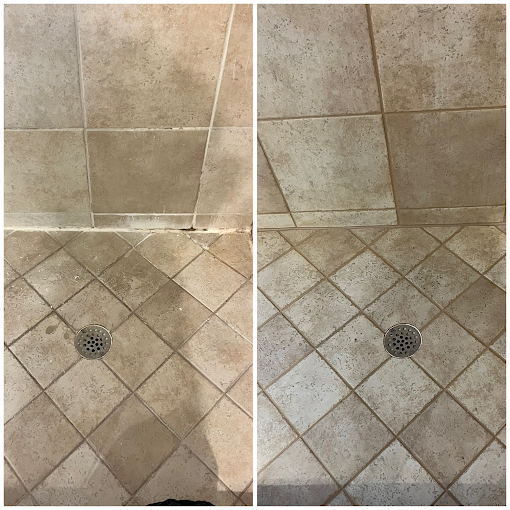
Quick Answer
If grout looks stained or porous, sealing usually helps by reducing how quickly water and grime penetrate the grout surface. Before you seal, the area should be thoroughly cleaned and fully dry, and any cracked or loose grout lines should be repaired or regrouted so the sealer does not “lock in” damage. A practical next step is to inspect the grout lines and surrounding caulk, then plan cleaning and grout repair as needed before applying a penetrating or color seal application. For tile cleaning and grout preparation, Grout Works Dallas can help you map the right approach.
What to Check First
Start with the surfaces that are actually letting moisture travel. In most showers and tub surrounds, the grout line performance depends on two things: how clean and dry the grout is, and whether the joints are intact. If you seal over contamination, haze, or ongoing movement cracks, the stains often remain visible.

Grout line condition
Check for cracking, gaps, missing grout, or areas that feel sandy or loose. If the grout is failing, sealing alone will not restore strength.
Caulk and silicone replacement
Inspect corners, tub edges, and where tile meets fixtures. Recaulking or silicone replacement is often part of a durable bathroom restoration.
Stain type and haze
Look for dark spots, efflorescence, or grout haze removal needs. Different issues require different cleaning and preparation.
Before any sealing work, proper deep tile cleaning matters. That includes removing mineral deposits, grime trapped in grout pores, and surface films that can block a sealer from bonding. If your goal is “tile and grout color sealing” or “grout color restoration,” the preparation step determines how even the final look will be.
Main Things Customers Should Understand
Grout sealing is not one single product or one single process. The right approach depends on the surface type (ceramic, porcelain, natural stone like travertine, marble, limestone, slate), the condition of the grout, and what you want to achieve visually and functionally.
Professional observation: If the grout is actively breaking down, sealing can slow moisture movement, but it cannot “glue” cracked joints back into place. Repairing grout line repair or grout line replacement before sealing is usually what stops the cycle.
| What you’re seeing | Likely next step | What sealing can do | What sealing cannot do |
|---|---|---|---|
| Dark grout spots returning after cleaning | Deep tile cleaning, then grout sealing | Reduce stain penetration and water absorption | Remove deeply embedded stains without proper cleaning |
| Cracks or missing grout in lines | Grout line repair or grout line replacement, then seal | Help protect joints after repair | Stop movement through cracked grout by itself |
| Haze after a recent cleaning or renovation | Grout haze removal and proper surface prep | Help prevent future film buildup | Make hazy residue disappear if it remains on the surface |
| Moisture along tub edges or corners | Recaulking and silicone replacement as needed | Complement waterproofing by reducing exposure | Fix failing caulk or missing sealant in joints |
| Natural stone discoloration (travertine, marble, slate, limestone) | Stone cleaning, then natural stone sealing | Reduce staining and help with long-term maintenance | Restore a broken, spalled, or structurally damaged surface |
If you have tile and grout color sealing goals, it helps to think in terms of “clean first, then protect.” For some homeowners, the focus is stopping hard water stain removal and mineral-related spotting. For others, it is shower regrouting, bathroom tile restoration, or bringing back a more consistent color look through grout color restoration.
Why This Matters in Dallas, TX
In Dallas, TX, showers and wet areas experience daily cycles of steam and drying, plus frequent household cleaning. Over time, that combination can magnify the effects of porous grout, especially where grout lines meet caulk joints or where water sits longer. That is why sealing is often most effective when it is paired with grout repair and recaulk planning.
Here is a common firsthand-style scenario homeowners run into: after a thorough scrub, the grout looks better for a few days, then darker lines creep back. Usually, the remaining issue is not just surface dirt. It is moisture movement into grout pores, combined with joints that are no longer sealed well. That is the point where shower tile sealing and shower regrouting decisions matter. For related restoration work, you may also want to review shower renovation Dallas approaches if you are dealing with larger layout or waterproofing concerns.
Local focus: When you see water-darkened grout around corners and edges, check the surrounding caulk first. Recaulking can be a major part of waterproofing services, not a “cosmetic only” step.
Common Mistakes to Avoid
People usually try sealing at the wrong time, with the wrong surface condition. That is why the results can look uneven or stains can return quickly. Avoid these common missteps.
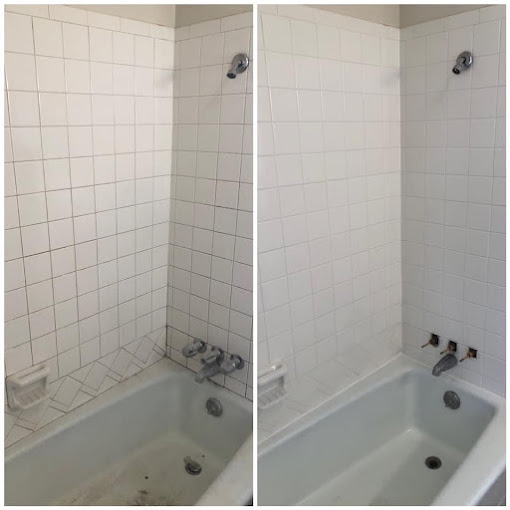
- Sealing over dirty grout: If mineral deposits, grime, or haze remains, the sealer cannot do its job consistently.
- Ignoring loose tile repair: Movement under tile can widen grout cracks and reintroduce water pathways.
- Skipping silicone replacement: Shower corners and tub edges often fail before the rest of the system, and sealing grout alone does not stop that.
- Using a one-size-fits-all approach: Natural stone sealing and grout sealing are not always interchangeable, especially for travertine cleaning, marble polishing, or limestone cleaning.
- Waiting too long to address cracks: Once grout lines are compromised, sealing becomes a protective step after repair, not the repair itself.
Customer Checklist
Use this checklist to prepare your home for grout sealing and tile restoration work. It helps you communicate clearly and ensures the surface is ready for the right protection.
- Confirm the problem spots: grout lines, corners, tub edges, or shower glass restoration areas.
- Note visible issues: cracking, missing grout, loose tile, or rough grout texture.
- Plan for cleaning: deep tile cleaning and grout line repair prep so sealer bonds properly.
- Check caulk condition: identify where recaulking and silicone replacement may be needed.
- Decide on the goal: stain prevention, grout color restoration, or natural stone restoration.
- Ask about surface type: ceramic tile cleaning, porcelain tile cleaning, or natural stone sealing needs.
A Representative Dallas Home Scenario
A homeowner in Dallas, TX noticed increasing darkening along the shower grout lines and small gaps near the tub edge. They cleaned repeatedly, but the grout stayed uneven, and the corners stayed slightly damp after showers. The work plan typically starts with deep tile cleaning to remove buildup, followed by grout repair or regrouting where the grout lines were compromised. After that, shower tile sealing is applied to reduce future stain penetration. Finally, silicone replacement and recaulk planning are addressed so water is less likely to slip behind the tile system.
Need grout sealing that actually matches the problem?
If your grout stains keep returning, the best next step is a quick walkthrough of the grout lines, caulk joints, and surface condition before sealing.
Contact Grout Works DallasFrequently Asked Questions
Here are practical questions homeowners in Dallas, TX ask before sealing grout or planning bathroom tile restoration. The answers focus on what sealing can do and what should be repaired first.
Will grout sealing remove existing stains?
Most grout sealing does not “erase” stains on its own. If the staining is sitting on the surface, thorough deep tile cleaning may remove it. If it is embedded in grout pores, cleaning and grout haze removal may be needed before sealing. Once the area is properly cleaned and fully dry, sealing helps reduce how quickly new stains can penetrate. If grout lines are cracked or missing, grout line repair or grout line replacement should be part of the plan so moisture does not keep reaching the problem areas.
Do I need recaulk or silicone replacement before sealing?
Often, yes. Sealing grout helps protect the grout surface, but water exposure usually concentrates at joints where tile meets tubs, corners, and fixtures. If caulk has failed, it can keep letting moisture into the system even after grout sealing. Recaulking and silicone replacement are frequently paired with shower regrouting or bathroom tile restoration so the waterproofing layers work together instead of competing. Inspect the corners and edges first, then plan the repair sequence accordingly.
Can sealing stop grout from cracking again?
Sealing can help slow moisture penetration, but it cannot fix movement or structural issues that cause cracking. If grout lines are already compromised, the right approach is grout repair, grout line replacement, or shower regrouting where needed. If there is loose tile, loose tile repair may be required too, since movement under tile can widen grout cracks. After repairs, sealing provides added protection to reduce future stain and moisture problems.
Is grout sealing the same for natural stone like travertine or marble?
No. Natural stone sealing is chosen based on the stone type and how it absorbs moisture. Travertine cleaning, marble polishing, limestone cleaning, slate cleaning, and natural stone restoration usually require surface-specific cleaning and then an appropriate sealer application. Using the wrong product or skipping proper stone cleaning can lead to uneven results. A good plan matches the cleaning method to the surface, then uses the right natural stone sealing or penetrating sealer application for that material.
How do I know whether I need tile repair or tile replacement?
It depends on what is failing. If you have localized grout line issues, grout line repair or grout line replacement may solve the problem. If tiles are loose, cracked, or uneven, loose tile repair may be needed before sealing. Tile replacement becomes more likely when there is widespread damage or when restoration goals cannot be achieved with repair and regrouting alone. If you are planning bathroom tile restoration, Grout Works Dallas can help you map the practical option based on the condition you’re seeing.
Get your grout protected the right way
For tile cleaning, grout repair, and shower renovation support in Dallas, TX, Grout Works Dallas can help you address the root cause before sealing. If you’re deciding between repair and restoration, it’s usually worth starting with what is failing first.
(972) 841-3495
Grout Works Dallas
Grout Works Dallas provides grout sealing and related tile and bathroom restoration services for homeowners and property owners in Dallas, TX & surrounding areas. Their focus is practical surface preparation, targeted grout repair, and protection steps that help reduce stains and moisture intrusion. If you are dealing with tile cleaning, tile repair, tile replacement decisions, caulking services, recaulking, shower regrouting, or natural stone sealing needs, their work is designed to help your bathroom look better and perform more consistently over time.
Explore related services: tile cleaning in Dallas, grout repair in Dallas, shower renovation in Dallas, and grout work for new homes.
