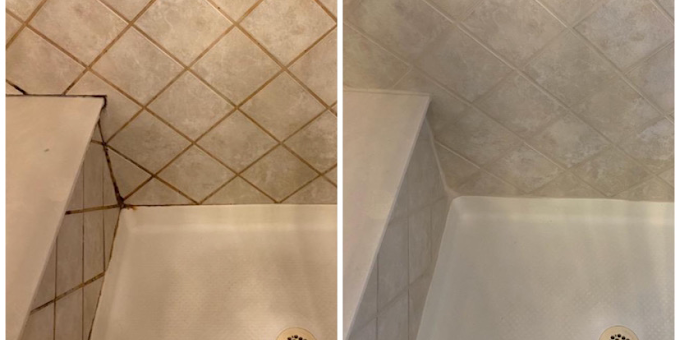
Have you ever looked at the grout lines in your shower and wondered how professionals make them look brand new while yours keep cracking, staining, or crumbling no matter what you try? Effective grout repair can seem like a trade secret, especially when you’ve scrubbed, sealed, and patched only to see the same problems return a few months later. The truth is, long-lasting grout repair isn’t about quick fixes or miracle products—it’s about understanding what’s really happening beneath the surface and addressing it the right way the first time.
In homes across Dallas, Texas, the battle against failing grout is constant. Hard water, daily showers, cleaning chemicals, and temperature changes all take a toll on tiled surfaces. Many homeowners assume they need a complete tear-out when their grout looks terrible, but that’s rarely the only option. By learning the right techniques, using the right materials, and knowing when to call in experts like Shower and Grout Works Dallas, you can transform tired, stained grout into a clean, durable surface that actually stays that way.
This guide unlocks the secrets that professionals rely on every day: how to diagnose grout problems correctly, what separates a temporary patch from a lasting repair, and why proper preparation matters more than any product. Whether you’re a DIY enthusiast in Dallas or simply want to understand what a qualified grout specialist should be doing in your home, you’ll find practical, detailed insights you can put to work immediately.
Understanding What Grout Really Does
To repair grout effectively, you first have to understand its job. Grout isn’t just there to “fill the gaps” between tiles. It helps lock tiles in place, distribute weight, and create a finished surface that resists water penetration when properly sealed and maintained. In a high-moisture environment like a shower, grout is part of a system that includes tile, thinset, waterproofing, and caulk. When one part of that system fails, problems appear in the grout first, which is why it’s often seen as the weak point.
Many homeowners in Dallas treat grout as if it were a waterproof barrier, but most cement-based grout is only water-resistant, not truly waterproof. That means water can slowly seep in, especially through hairline cracks or unsealed joints. Over time, moisture can work its way behind the tile, leading to mold, mildew, and in severe cases, loose tiles. This is why Shower and Grout Works Dallas focuses on both appearance and function when repairing grout; it’s not just about making it look clean, but ensuring it performs properly as part of the whole shower system.
Another key point is that not all grout is the same. Sanded grout, unsanded grout, epoxy grout, and urethane grout each behave differently. Using the wrong type for a particular joint width or tile material can almost guarantee premature failure. For example, using unsanded grout in wide joints can lead to shrinking and cracking, while sanded grout on polished stone may scratch the tile. Unlocking the secret to durable grout repair starts with matching the right formulation to the right application, rather than treating all grout as identical.
Why Grout Fails In The First Place
Cracked, stained, or missing grout is usually a symptom, not the root problem. If you simply smear new grout over failing areas without identifying why it failed, you’re likely to repeat the same cycle. One of the most common causes of grout failure in Dallas showers is movement. Homes shift slightly over time due to soil conditions and temperature changes, and showers experience constant expansion and contraction as they heat up and cool down. Rigid materials like cement-based grout don’t handle movement well, especially at corners, joints, and transitions.
Improper installation is another frequent culprit. If grout was mixed with too much water, not allowed to cure properly, or applied over an unstable substrate, it may never have had a chance to bond correctly. You might see pinholes, loose particles, or sections that simply powder when touched. In older homes across Dallas, it’s not uncommon to find grout that was installed decades ago without the benefit of modern waterproofing and installation standards, which means it has been absorbing moisture for years.
Then there’s the issue of harsh cleaning methods. Many people unknowingly damage their grout by using acidic cleaners, stiff wire brushes, or bleach-based products far too frequently. These can erode the grout surface and strip away sealers, making the grout more porous and more likely to stain or crumble. Shower and Grout Works Dallas often encounters grout that has been “over-cleaned” into failure—shiny tile paired with chalky, weakened grout lines that desperately need professional attention.
Diagnosing Before You Repair
Effective grout repair starts with a thorough diagnosis. Before any material is removed or applied, you need to determine whether you’re dealing with a surface issue or a deeper structural problem. Tap gently along the tiles with a non-metallic tool and listen: hollow-sounding areas may indicate loose tiles or compromised thinset behind the tile. If tiles move when pressed, the problem is more serious than just cosmetic grout damage and may require more extensive remediation.
Next, evaluate the condition of the grout itself. Are the cracks hairline or wide? Are they localized or spread throughout the shower? Hairline cracks in isolated spots can often be addressed with targeted grout removal and replacement. Wider cracks, missing sections, or crumbly grout often suggest movement or moisture intrusion. In Dallas, where humidity and water usage are high, moisture problems are particularly common in showers that were not properly waterproofed behind the tile.
Staining patterns can also be revealing. Dark, persistent stains, especially in corners or along the bottom row of tiles, may indicate mold or mildew thriving in damp grout. Yellowing or brown discoloration could be mineral deposits from hard water. If your grout never seems to dry completely, or if you notice a musty odor even after cleaning, it’s a sign that moisture is trapped, and a surface-level solution won’t be enough. Professionals like Shower and Grout Works Dallas use their experience and, when necessary, moisture detection tools to distinguish between a simple cosmetic issue and a hidden leak or waterproofing failure.
The Right Way To Remove And Replace Grout
Once you understand the cause of the problem, the repair process can begin. One of the biggest secrets to long-lasting grout repair is this: partial, sloppy removal almost always leads to premature failure. To get a strong bond between the new grout and the tile edges, the damaged grout must be removed to a sufficient depth, typically at least two-thirds the thickness of the tile. This creates enough space for the new grout to properly pack into the joint and cure with strength.
Removing grout requires patience and the right tools. Manual grout saws, oscillating tools with grout removal blades, or rotary tools can all be used, but they must be handled carefully to avoid chipping the tile edges. Rushing this step often causes more damage than the original problem. After removal, the joints need to be thoroughly cleaned of dust and debris. Any remaining powder or loose material will weaken the bond of the new grout. Shower and Grout Works Dallas emphasizes meticulous preparation because it’s the foundation of a repair that lasts for years instead of months.
When it comes time to apply new grout, mixing and application technique matter. Grout should be mixed to the consistency recommended by the manufacturer, allowed to slake (rest) if required, and then remixed before use. Overwatering the mix may make it easier to spread but severely reduces its strength. The grout should be firmly pressed into the joints with a rubber float, working diagonally across the tiles to pack the gaps completely. Excess grout is removed from the tile surface while keeping the joints full. After an initial set, the surface is cleaned with a slightly damp sponge, taking care not to over-wash and pull grout out of the joints.
Sealing, Caulking, And Finishing Touches
Even a perfectly applied grout repair can fail prematurely if it’s not protected and detailed properly. In most residential showers in Dallas, cement-based grout should be sealed after it has fully cured. A high-quality penetrating sealer helps reduce absorption of water, soap scum, and oils, making the grout more resistant to staining and easier to clean. Skipping the sealing step is one of the most common mistakes homeowners make. They invest time and money into new grout but leave it unprotected in one of the harshest environments in the home.
Equally important is understanding where grout should not be used at all. At changes of plane—such as where the wall meets the floor, in corners, or where the shower wall meets the tub—flexible caulk or sealant should be used instead of rigid grout. These are the areas where movement is most likely, and grout here almost always cracks sooner or later. Professional services like Shower and Grout Works Dallas pay close attention to these transitions, replacing failed grout with properly matched, mold-resistant caulk to allow for movement without cracking. This is where specialized services like Grout Caulking become critical to a long-lasting, watertight finish.
Finally, finishing touches such as careful cleanup, polishing of tiles, and final inspection make a big difference in both appearance and performance. Residual grout haze left on tile surfaces can attract dirt and dull the finish. Any small pinholes or low spots in the grout should be addressed immediately rather than ignored. A thorough final walkthrough ensures that all joints are properly filled, sealed where appropriate, and ready to withstand daily use in a busy Dallas household.
Preventing Future Grout Problems
Unlocking the secrets to effective grout repair also means learning how to prevent the same issues from returning. The first step is adopting a gentler, more consistent cleaning routine. Instead of harsh chemicals, use pH-neutral cleaners designed for tile and grout. Avoid abrasive pads and steel wool, which can scratch tiles and erode grout. Regularly squeegeeing or towel-drying shower walls after use significantly reduces moisture exposure and helps prevent mold and mildew growth, which is especially valuable in the warm, humid climate of Dallas, Texas.
Periodic resealing is another crucial habit. Even the best sealer won’t last forever. High-use showers may need resealing every 12 to 18 months, depending on the product and usage. A simple test is to sprinkle a few drops of water on the grout lines; if the water beads up, the sealer is still doing its job. If it darkens the grout and soaks in quickly, it’s time to reseal. Professional companies like Shower and Grout Works Dallas can schedule routine maintenance to keep your grout protected without you having to guess.
Finally, pay attention to early warning signs. Small cracks, isolated stains, or loose caulk joints are easier and cheaper to fix when caught early. Ignoring these minor issues often allows water to infiltrate behind the tile, turning a simple grout repair into a major tile replacement project. By staying proactive and addressing minor problems promptly—whether through DIY efforts or with the help of a specialist—you protect not only the look of your shower but also the integrity of the structure behind it.
Frequently Asked Questions
How do I know if I need grout repair or full regrouting? If the majority of your grout is intact and only certain areas are cracked or discolored, targeted grout repair may be sufficient. However, if large sections are crumbling, missing, or heavily stained throughout the shower, a full regrouting is often more effective and economical in the long run. A professional inspection from a company like Shower and Grout Works Dallas can help determine whether localized repairs will be durable or if a complete removal and replacement is the smarter choice.
Can I just apply new grout over old grout? Applying new grout directly over old, failing grout is rarely a good idea. The underlying grout is often loose, contaminated, or structurally weak, which means the new layer has nothing solid to bond to. This typically leads to peeling, cracking, or flaking in a short time. Proper repair involves removing the damaged grout to an adequate depth, cleaning the joints thoroughly, and then installing new grout according to manufacturer guidelines.
How long does grout repair in a shower usually last? When done correctly with quality materials and proper preparation, grout repairs in a shower can last many years. Longevity depends on factors like the type of grout used, the condition of the substrate, how well the shower is maintained, and whether the grout is sealed and resealed as needed. In Dallas homes where showers see heavy daily use, professionally repaired and sealed grout from specialists such as Shower and Grout Works Dallas can still provide long-term performance if cared for properly.
Is sealing grout really necessary in a bathroom? While some advanced grout types like epoxy are less porous and may not require sealing, most cement-based grouts absolutely benefit from being sealed, especially in wet environments like showers and tub surrounds. Sealer helps reduce staining, slows water absorption, and makes routine cleaning easier. In a busy Dallas bathroom, sealing can be the difference between grout that looks dingy within a year and grout that maintains its appearance for several years.
When should I call a professional instead of trying DIY grout repair? You should consider calling a professional if you notice widespread cracking, loose tiles, persistent mold growth, or if previous DIY repairs have failed quickly. Also, if you’re unsure about the cause of the damage—such as possible leaks or structural movement—professional evaluation is essential to avoid masking a serious underlying issue. Companies like Shower and Grout Works Dallas bring specialized tools, materials, and experience to ensure that the repair is not just cosmetic, but truly effective and long-lasting.